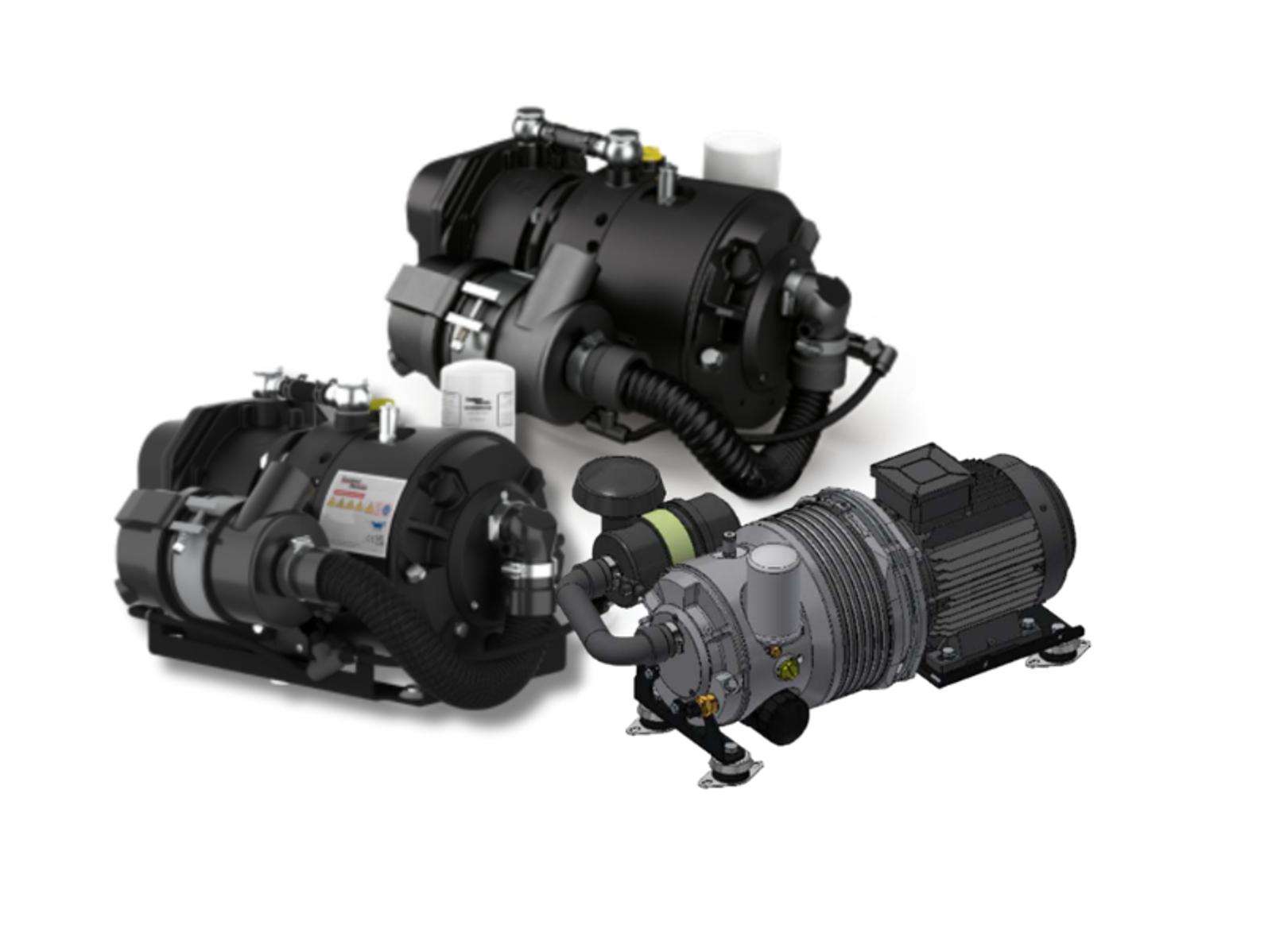
Energy efficiency is critical for electric buses because every auxiliary system affects battery use. Rotary vane technology supports high performance compressed air generation with reduced losses and stable air pressure. The air compressor operates only when air is required, which helps reduce the load on the battery pack, limit heat generation, and support efficient daily operation.
Clean and stable compressed air also supports long‑term reliability. Components such as a high pass filter help protect downstream pneumatic systems from contamination and wear. Designed for intensive public transport use, these heavy duty air compressor solutions handle frequent start‑stop cycles and continuous operation across city and regional routes.
Quiet Operation and Passenger Comfort
Electric buses are naturally quiet, which makes auxiliary noise more noticeable. A low‑noise air pump design helps reduce vibration and overall acoustic impact while supporting better driver focus. Quiet compressor operation contributes to a more comfortable cabin for passengers and is especially important in urban areas and low‑noise zones.
Long Service Life and Reduced Maintenance
Reliability is essential for public transport fleets. Rotary vane compressors use a simple mechanical design with fewer moving parts than many driven compressors. This reduces component wear, extends maintenance intervals, and lowers the risk of unplanned downtime. These characteristics make the solution suitable for demanding daily service.
Integration, Maintenance, and Quality Standards
TX Series compressors are designed for flexible integration across different bus platforms. The system supports multiple electric motor configurations, flexible cooling layouts, and adaptable mounting positions, allowing the same onboard air compressor concept to fit different chassis designs.
Compressed air also supports routine maintenance activities. In depot environments, air compressors are used for tyre inflators, pneumatic tools, and inspections. Some systems include a pressure gauge on the front panel, enabling clear pressure checks during servicing. Reliable air delivery helps reduce vehicle downtime and supports faster turnaround.
These compressor packages are manufactured according to IATF 16949 standards. This ensures consistent production quality, reduced variation between parts, and reliable long‑term performance across vehicle fleets.