Optimize You Fleet - Save Money and Time
Explore proven strategies for reducing transportation costs in logistics. Discover how fuel management, fleet management software, route optimization, preventive maintenance, and properly specified compressors, pumps, blowers, and vacuum systems can help fleets improve uptime, reduce fuel consumption, maximize payload capacity, and lower total cost of ownership. The guide also highlights key performance indicators (KPIs), best practices, and transport solutions designed to improve efficiency and reduce operational costs across commercial fleet operations.
Reducing transportation costs is a top goal for businesses running commercial fleets, logistics networks, and specialist transport vehicles. In logistics, transportation costs are driven by practical factors like fuel consumption, vehicle uptime, maintenance needs, and how efficiently onboard equipment supports each duty cycle.You can reduce transportation costs by focusing on the same fundamentals that make travel more cost-effective and sustainable: using energy efficiently, keeping equipment reliable, reducing unnecessary fuel burn, and minimizing downtime. When fleets apply these principles to route planning, vehicle utilization, and properly matched onboard systems, they can lower total operating costs while improving productivity across day-to-day logistics operations.
For logistics businesses, transportation costs are influenced by route planning, vehicle utilization, mode transport selection, fuel management, maintenance requirements, equipment reliability, and overall fleet efficiency. When these factors are optimized together, organizations can reduce transportation costs, improve productivity, and support more sustainable operations.
Gardner Denver Transport Solutions helps fleet operators, OEMs, and body builders reduce transportation costs through application-specific compressors, blowers, pumps, vacuum systems, cryogenic equipment, and onboard power solutions.
By matching onboard equipment to the vehicle, duty cycle, and application, fleets can improve fuel efficiency, maximize payload, reduce downtime, and lower lifecycle costs while reducing logistics costs across day-to-day operations.
How We Help Improve Fleet Performance

Increase vehicle uptime

Improve fleet fuel efficiency

Maximize payload potential
Reduce maintenance requirements

Improve unloading and transfer efficiency
Lower total operating costs

Extend equipment lifecycle

Support safer, more reliable operations
Discover Your Fleet's Hidden Capacity
Every fleet has opportunities to improve productivity and reduce operating costs.
Our Fleet Check tool provides an instant estimate of:
- Potential time savings
- Additional vehicle capacity
- Fleet-wide productivity gains
- Annual operational improvements
- Opportunities to improve unloading efficiency
Get your instant estimate in less than 2 minutes
To load this content, approve your cookie preferences and allow the required cookies.
Practical Ways to Reduce Transportation Costs
Fleet operators looking for ways to reduce transportation costs typically focus on:
Lower Fuel Consumption
Fuel management is one of the most effective levers for reducing transportation costs in logistics. By improving fuel efficiency through better control of power demand and operating conditions, fleets can lower fuel cost per mile and reduce avoidable waste such as idling and inefficient system loading.
The biggest savings typically come when fuel management is paired with preventive maintenance: monitoring performance helps fleets spot wear early, keep onboard equipment running at peak efficiency, and prevent breakdowns that lead to costly downtime. With fleet management data guiding both fuel decisions and maintenance scheduling, operators can reduce transportation costs while improving uptime and overall fleet reliability.
To improve fuel efficiency and support vehicle reliability, fleets should:
- Track fuel consumption by route, load, and duty cycle
- Monitor equipment performance and operating loads
- Reduce idling and unnecessary power demand
- Schedule maintenance based on performance data
- Ensure onboard systems operate within their intended duty cycle
When fleet management and properly specified onboard equipment work together, fleets can reduce fuel consumption, improve uptime, and lower lifecycle costs.
Improve Vehicle Uptime
Vehicle downtime directly increases transportation costs. Reliable onboard equipment, preventive maintenance, and performance monitoring help fleets stay operational and avoid costly disruptions.
Increase Payload Efficiency
In logistics, load consolidation and optimized shipment planning reduce transportation costs by combining compatible loads into fewer trips and better route schedules. This lowers the number of dispatches, cuts handling and coordination time, and improves cost per shipment by spreading fixed operating expenses (such as labour, tolls, and overhead) across more delivered volume.
Reducing empty miles further decreases transportation costs because vehicles spend less time travelling without generating revenue. When fleets plan backhauls, balance pickup and delivery timing, and align vehicle capability with demand, they increase vehicle utilization and productivity while minimizing avoidable fuel burn, wear, and downtime associated with non-productive travel. Finally, matching onboard equipment capacity to the application helps ensure systems run efficiently — delivering the required performance without unnecessary weight or excess energy consumption.
Reduce Maintenance Costs
Preventive maintenance helps fleets avoid costly breakdowns and unexpected repairs. Monitoring wear, addressing issues early, and selecting application-specific equipment can reduce maintenance requirements and improve system reliability.
Improve Loading, Unloading, and Transfer Efficiency
Reducing loading and unloading times helps vehicles complete more productive cycles each day. Efficient compressors, pumps, blowers, and vacuum systems help fleets reduce delays and improve overall transport efficiency.
Extend Equipment Life
Properly specified equipment, correct operation, and planned maintenance contribute to longer component life and lower total operating costs.
Measure What Matters
To make transportation cost reduction measurable, monitor KPIs such as:
- Total cost per mile or kilometre
- Total cost per stop or load
- Fuel cost per mile
- Empty mile percentage
- Vehicle uptime and availability
- Maintenance cost per vehicle
- Downtime hours
- Payload utilization
- Lifecycle operating costs
Tracking these metrics alongside fleet management data helps identify where costs are being created and where improvements can deliver the greatest value.
Solutions for High-Cost Transport Applications
Different mode transport strategies can significantly influence transportation costs. Whether transporting dry bulk materials, liquids, vacuum loads, or specialist products, businesses benefit from aligning vehicle capability, onboard equipment performance, and operational requirements with the appropriate mode transport. The right combination helps reduce empty miles, increase utilization, and support long-term cost reduction.
In logistics, transportation costs are also shaped by how carriers are selected and how freight is planned. Carrier selection and bidding can lower costs when fleets and shippers evaluate more than price — using equipment capability, on-time performance, service consistency, and the carrier’s ability to match the right vehicle and onboard systems to the duty cycle.
To optimize carrier selection, use benchmarking and structured bidding to compare like-for-like lanes, load types, and service levels. Request transparent quotes that reflect real operating conditions (for example, access constraints, unloading requirements, and expected dwell time), then score bids using clear criteria such as reliability, claims history, and performance against agreed KPIs. Shipment consolidation further reduces transportation costs by combining compatible loads into fewer trips, improving vehicle utilization, and minimizing handling and coordination time across the network.
When carrier selection, freight planning, and shipment consolidation are managed together, logistics teams can reduce delays, avoid inefficient rework, and improve overall network efficiency — lowering total operating costs while supporting more reliable delivery performance.
Dry Bulk Transport
Equipment designed to support efficient unloading, reliable performance, and reduced maintenance requirements for dry bulk applications.
Liquid Transfer
Solutions for food, fuel, chemical, and industrial liquid transport.
Vacuum Truck Fleets
Reliable vacuum systems engineered for demanding municipal, industrial, construction, and waste-management operations.
Liquefied Gas & Cryogenic Transport
Transport-specific solutions designed for LNG and cryogenic applications.
Delivery, Utility & Mixed Fleets
Helping fleets improve efficiency, reduce downtime, and lower operating costs across multiple vehicle types.
E-Mobility Platforms
Compressor solutions developed specifically for electric and hybrid vehicle applications.
Why Choose Gardner Denver Transport Solutions
Transport-Focused Engineering
More than a century of experience supporting transport and mobile equipment applications.
Application-First Approach
Solutions are selected around:
- Vehicle type
- Duty cycle
- Product handled
- Installation requirements
- Service accessibility
- Uptime expectations
Lightweight and Efficient Designs
Compact equipment configurations help maximize payload and reduce fleet fuel consumption where application requirements allow.
Aftermarket and Service Support
EMEIA service support, spare parts availability, and technical expertise help maintain performance throughout the equipment lifecycle.
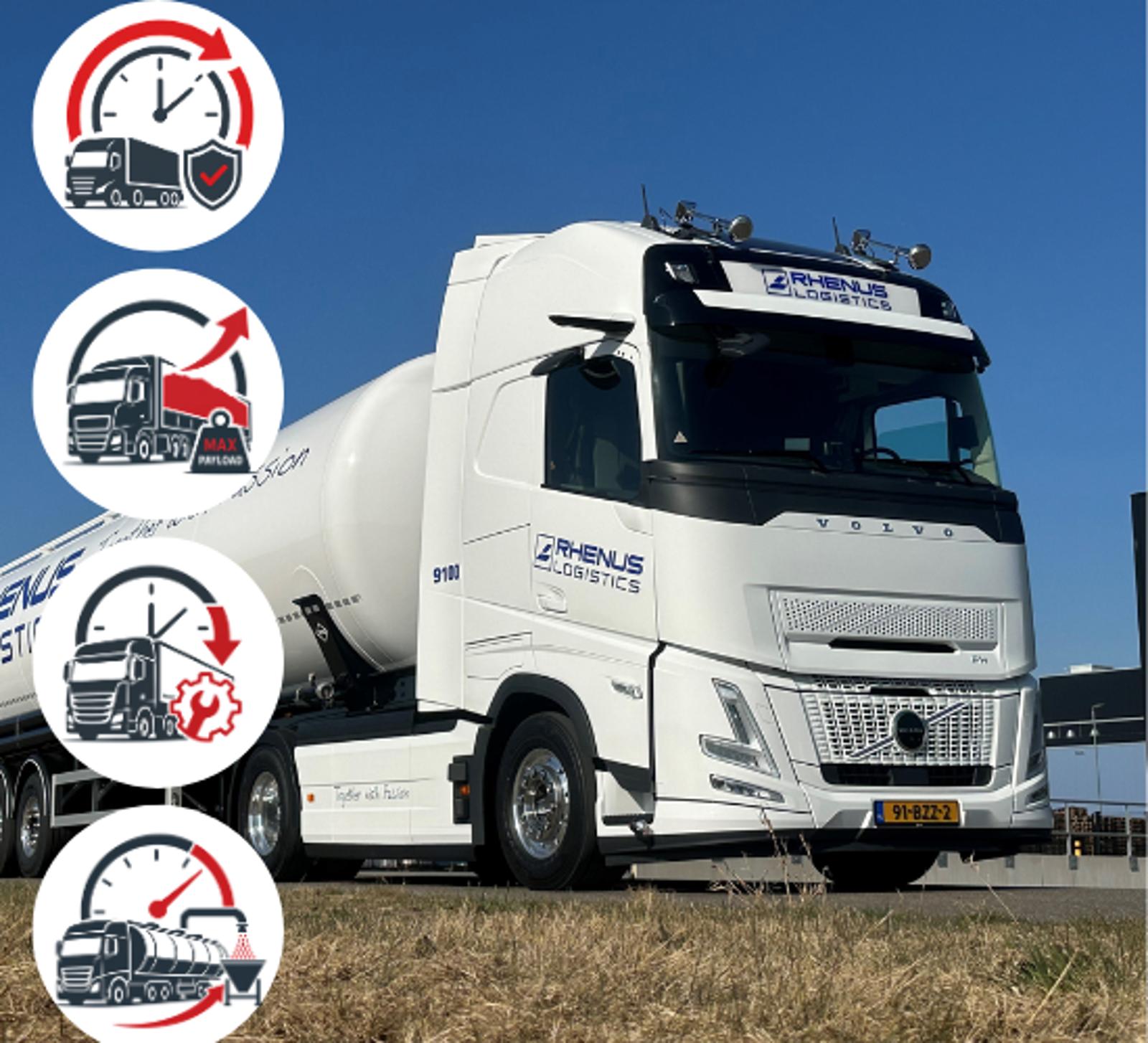
Reduce Transportation Costs Across Your Fleet
Fleet Optimization FAQs
Reducing transportation costs in logistics typically involves improving fuel efficiency, maximizing vehicle uptime, reducing maintenance costs, optimizing payload capacity, selecting the right mode transport, and using equipment that matches the application.
Reach Out to Us