Products
Truck Mounted Compressors
Compressors for Electric Vehicles
Truck Mounted Blowers
Vacuum Pumps
Liquid Transfer Pumps
Industrial Liquid Transfer Pumps
Hydraulic Oil Coolers
Systems & Packages
Ancillaries
Applications
Dry Bulk
Liquid Transfer
Liquified Gas Transfer
Highway & Utility Vehicles
eMobility
Hydraulics & Controls
Vacuum Truck Systems for Industrial, Municipal & Construction
Industries
ADR Truck Conversions
Animal Feed
Chemical
Construction Materials
Cryogenics
Fluid Transfer
Food and Beverage
OptiLoad Milk Systems
Mobile Tyre Service
Paper Industry
Pharmaceutical
Utility Vehicles
Walking Floor Trailer Systems
Waste Collection
Vehicle Maintenance Support
Service & Parts Protect - Maintenance & Asset Protection Solutions
Emobility Service Kits
Vehicle OBD Access & Maintenance Info
E-Mobility Business: European Service Network
Parts Protect for Hibon & Robuschi Transport
Knowledge Hub
Success Stories
Document Finder
Access Our Exclusive Webinar Library Anytime
About Us
News & Events
Our Global Locations
Discover Our Distributors
Product Selector
Document Finder
Our Brands
Compliance

LNG, or liquefied natural gas, is natural gas cooled until it becomes a liquid. This significantly reduces its volume, making LNG easier to store and move in specially designed tanks.

Gardner Denver Transport Solutions provides hydraulic and electric systems for LNG trucks, LNG tanker trucks and LPG road tankers. Our technology supports controlled product transfer and discharge, with solutions engineered around demanding vehicle and operating requirements.

From vehicle hydraulics to safety conversions, our systems support operators working with LNG, LPG and other liquefied gas applications.

LNG & LPG Road Tanker Solutions

LNG trucks require reliable equipment to transfer liquefied natural gas safely and efficiently at the delivery site.

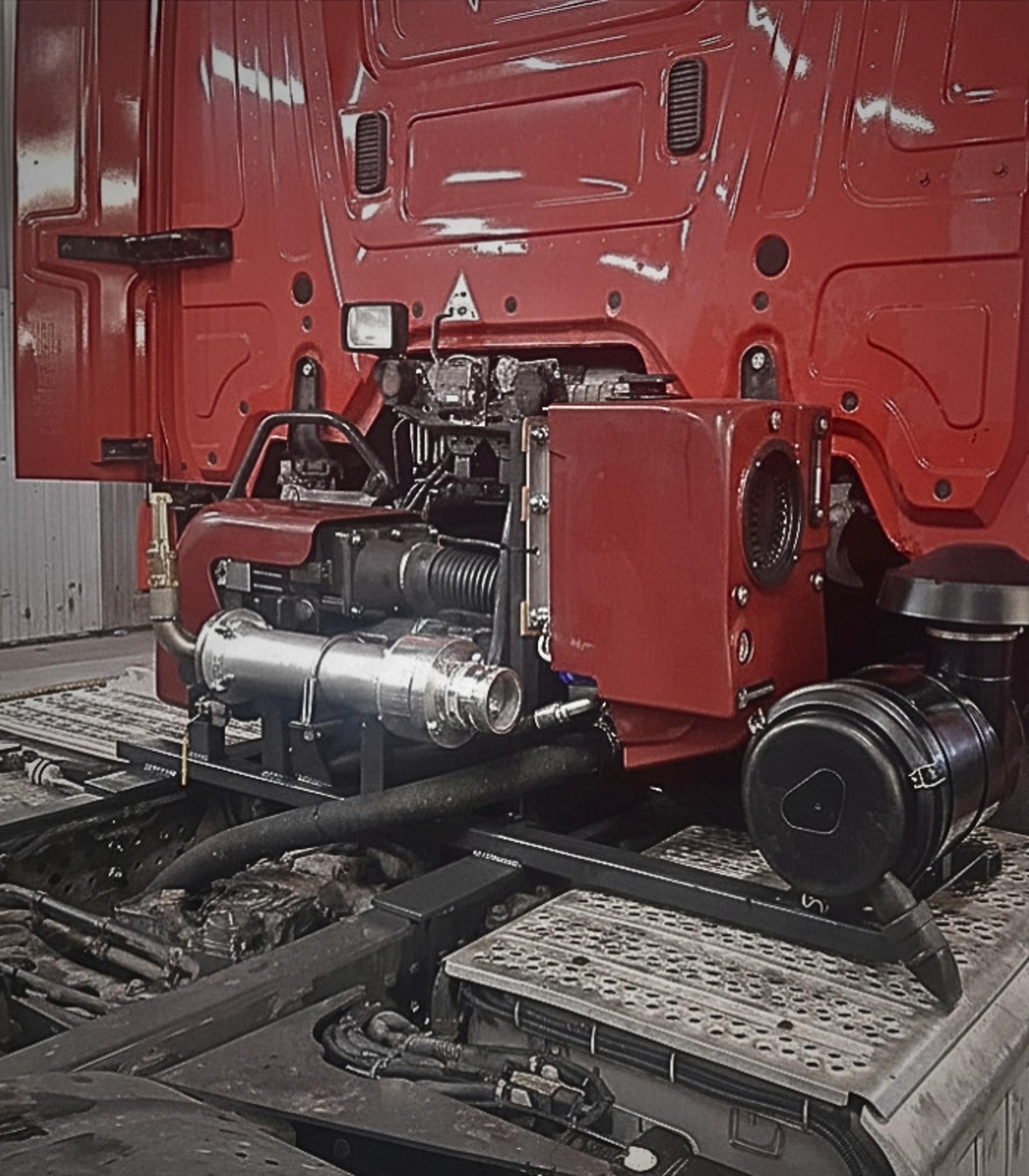
Gardner Denver provides heavy-duty hydraulic systems for LNG tanker truck and LPG tanker applications. Each system is engineered around the vehicle layout, tank configuration and discharge requirements.

Insulated tanks help keep LNG at the conditions needed to remain liquid, while controlled discharge supports product transfer at the delivery site. These safeguards serve different roles from vehicle safety conversions. For LNG and LPG road tanker applications, we also provide conversions such as ADR and Safe Loading Pass (SLP) solutions, selected to suit the vehicle and its operating requirements. Not every conversion applies to every tanker.

lngtanker-930x400 (1).jpg

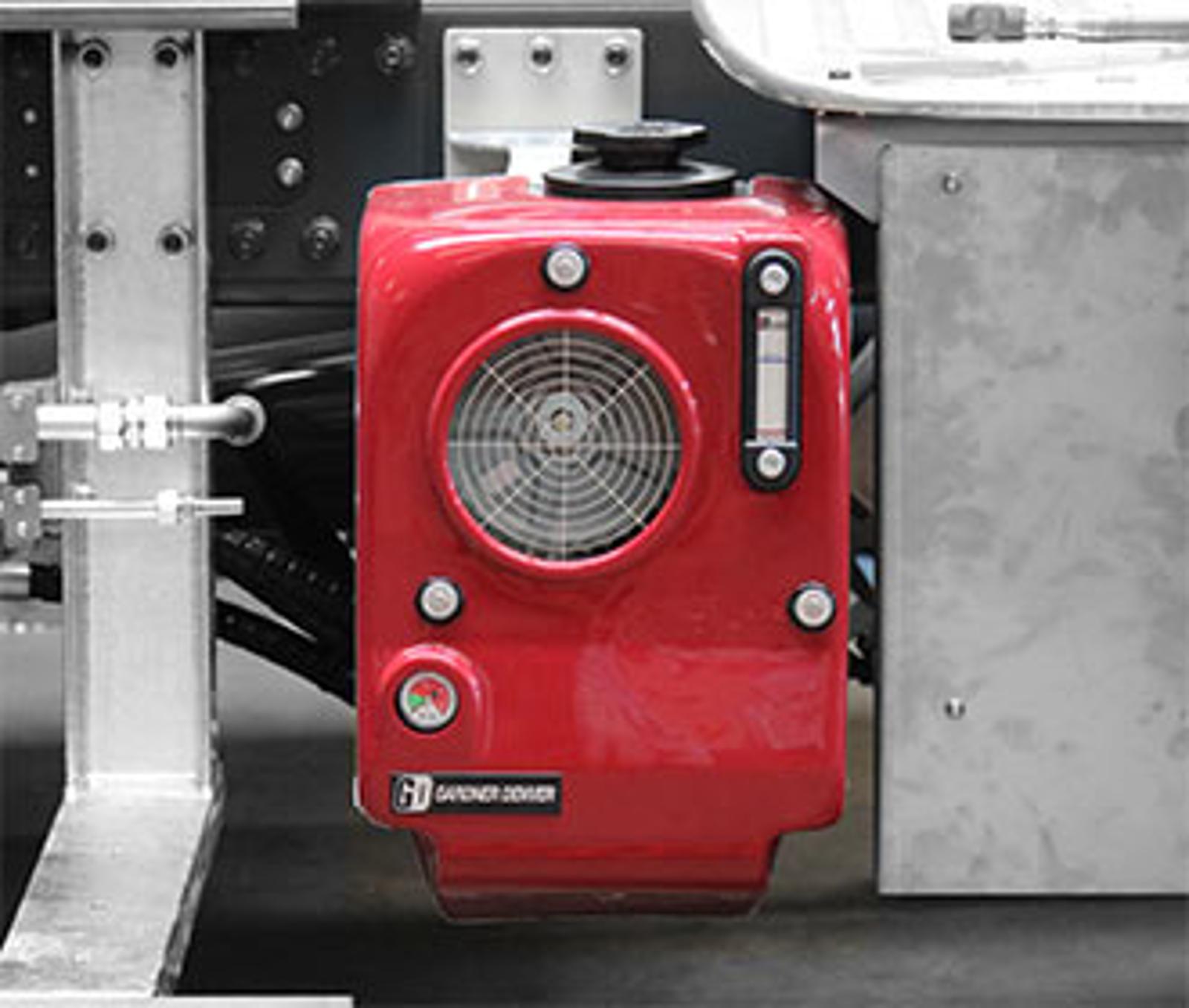
Hydrapak HK3 Hydraulic Oil Cooler

How Is LNG Transported?

LNG transportation depends on the volume of LNG, distance, available infrastructure and final destination.

Large volumes of LNG can be transported over long distances by specialized LNG carriers, which use insulated containment systems to keep the cargo in liquid form. LNG tanker trucks support flexible road deliveries to locations without direct access to pipeline infrastructure. Pipelines, by comparison, transport natural gas between connected locations rather than carrying LNG in liquid form.

An LNG tanker truck uses specially designed insulated tanks to keep LNG at the conditions needed to remain liquid. These LNG trucks can supply fuel and liquefied natural gas to industrial facilities, distribution sites and other locations away from pipeline networks.

At the delivery site, LNG is transferred from the vehicle into suitable storage tanks. It can remain in liquid form for storage or be regasified — warmed until it returns to natural gas — for applications that require gas. In some cases, LNG can also be used directly as a fuel.

The LNG supply chain follows a series of steps. Natural gas is first liquefied, then loaded into insulated tanks for transport by LNG carrier or road tanker. At its destination, the LNG is unloaded into storage tanks. It can be used as a liquid fuel or regasified — warmed until it returns to natural gas — before distribution through pipelines. The transport method depends on distance, infrastructure, capacity and access to the receiving location.

See Our Solutions in Action

Discover how Gardner Denver Transport Solutions helped Vos Logistics and Air Liquide support the transport of liquid nitrogen with a compact hydraulic solution designed for their LNG-powered trucks. See how the solution was engineered to meet the demands of the application while making efficient use of the limited space available on the vehicle.