Products
Truck Mounted Compressors
Compressors for Electric Vehicles
Truck Mounted Blowers
Vacuum Pumps
Liquid Transfer Pumps
Hydraulic Oil Coolers
Systems & Packages
Ancillaries
Applications
Dry Bulk
Liquid Transfer
Liquified Gas Transfer
Highway & Utility Vehicles
eMobility
Hydraulics & Controls
Vacuum Truck Systems for Industrial, Municipal & Construction
Industries
ADR Truck Conversions
Animal Feed
Chemical
Construction Materials
Cryogenics
Fluid Transfer
Food and Beverage
OptiLoad Milk Systems
Mobile Tyre Service
Paper Industry
Pharmaceutical
Utility Vehicles
Walking Floor Trailer Systems
Waste Collection
Vehicle Maintenance Support
Service & Parts Protect - Maintenance & Asset Protection Solutions
Service Kits
Emobility Service Kits
Vehicle OBD Access & Maintenance Info
E-Mobility Business: European Service Network
Parts Protect for Hibon & Robuschi Transport
Knowledge Hub
Success Stories
Document Finder
Access Our Exclusive Webinar Library Anytime
About Us
News & Events
Our Global Locations
Discover Our Distributors
Product Selector
Document Finder
Our Brands
Compliance

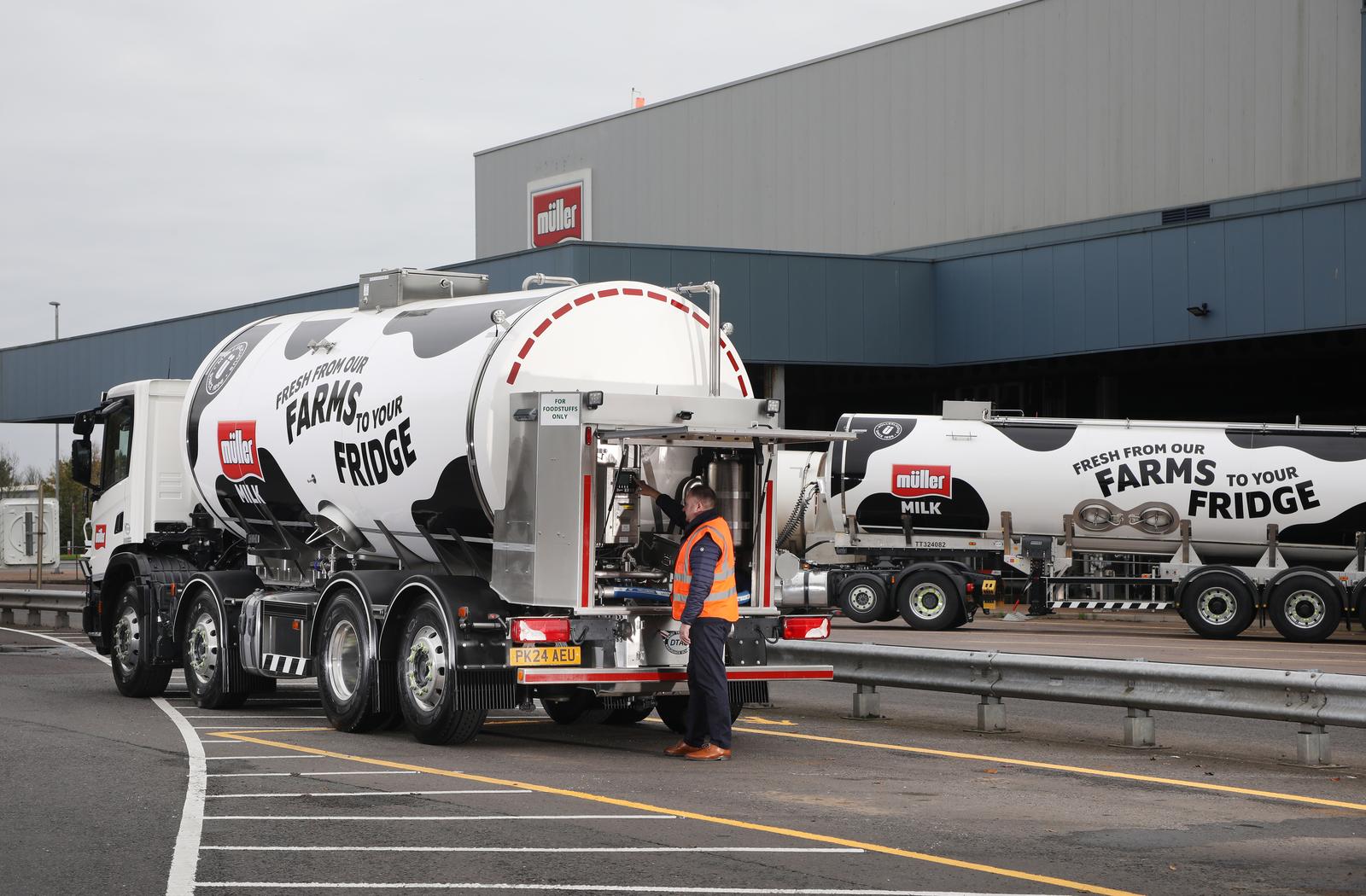
Milk collection is a critical part of the dairy industry. A tanker milk collection system is the equipment and software used to collect milk at farms, transfer it into a Milk Tanker, and manage its transport to the processing facility. During each stop, drivers connect hoses, start the pump, monitor the transfer, record collection data, and confirm that the milk is handled safely. The system may include pumps, hoses, valves, meters, onboard controls, GPS, and fleet-management tools working together across collection vehicles.
Every day, your team must move from farm to farm, work with different setups, protect milk quality, and keep routes efficient. Small delays or manual steps can slow operations, increase fuel costs, and affect quality control. Many fleets still rely on older systems that make tanker transport harder than it needs to be.

OptiLoad changes that.
It is a simple, smart, and reliable solution that helps drivers work faster and gives fleet managers the visibility they need. It reduces fuel use, improves workflow, and makes the entire milk collection process easier to manage.

The Challenge Many Fleets Face

Milk collection involves many moving parts. Drivers must set up equipment, monitor pumps, record data, and make sure the collected milk is handled correctly. When systems are slow or complicated, common problems appear:

  • Pumping can take too long.
  • Manual tasks increase mistakes.
  • Engines idle for minutes at every stop, wasting fuel.
  • Drivers must navigate complex menus or multi‑pump setups.
  • Data arrives late or with gaps.
  • Managers lack visibility into 

These issues are more than simple inconveniences. They affect the speed and reliability of every route. Slow or unreliable pumping means drivers spend extra minutes at each farm, reducing the number of stops they can complete in a shift. Manual steps increase the risk of errors, especially when drivers work under pressure or face different farm environments throughout the day.

Fuel waste also becomes a real cost. Engines often run longer than necessary during setup or when pumps are idle, adding to fuel consumption and emissions over time. At the same time, managers struggle to make informed decisions when the information they receive is incomplete or delayed. Without clear and timely data, planning routes, tracking performance, and maintaining strong quality control all become more difficult.

Over time, these challenges drive up operating costs, reduce productivity, and create frustration for drivers who already work in demanding conditions. Fleets need a system that is faster, simpler, and more reliable — a system that helps operations run smoothly from start to finish.

IMG-20250219-WA0000.jpg

What Gardner Denver Transport Solutions Offers with OptiLoad

OptiLoad is Gardner Denver Transport Solutions' integrated milk collection platform, combining the proven STP Tri-Lobe Pump, intelligent software, GPS-based automation, and real-time data management into a single solution. The system is designed to help every farmer, driver, and fleet manager improve collection efficiency while maintaining milk quality throughout transport.

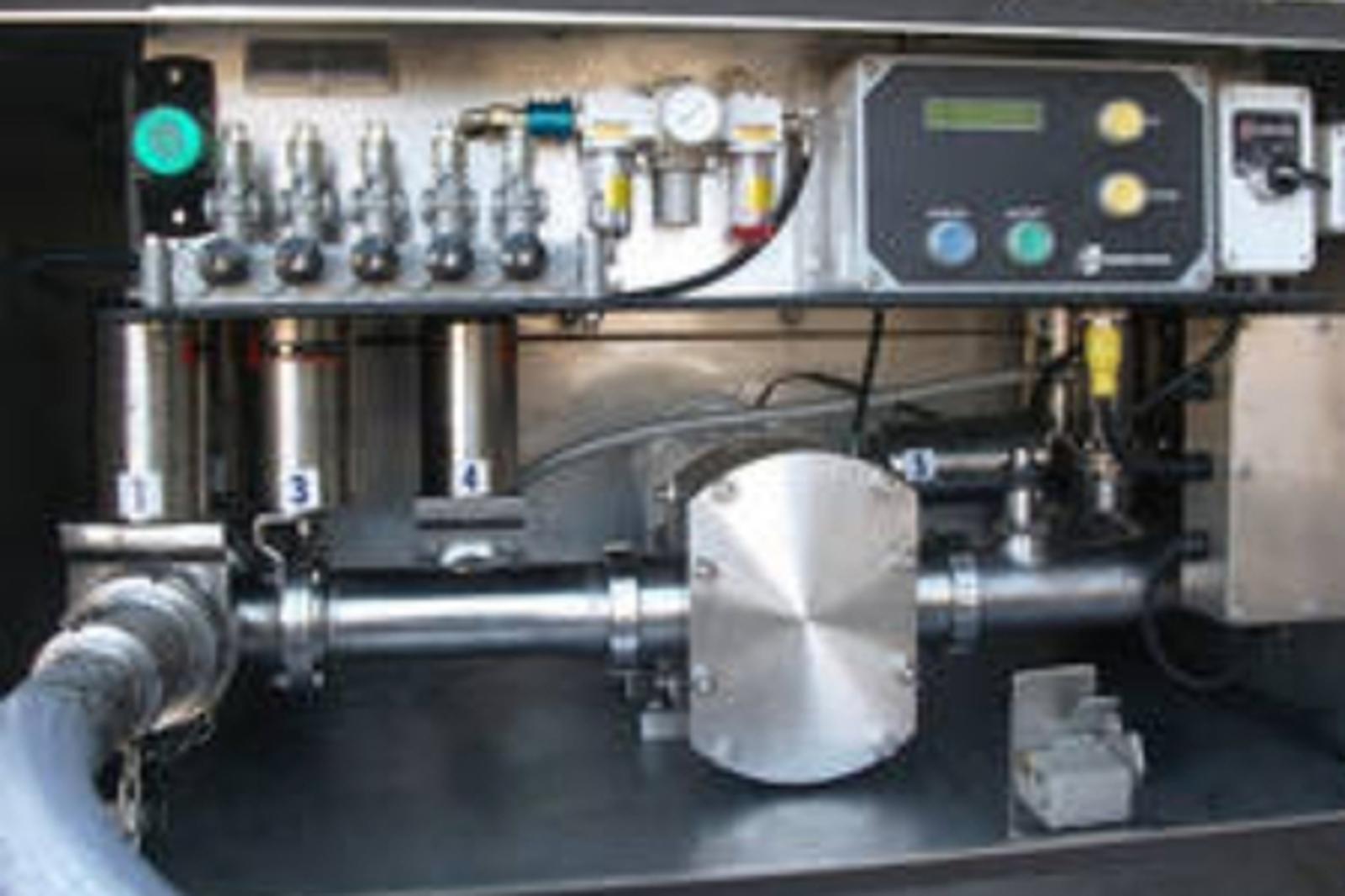
The OptiLoad model includes a hygienic stainless steel dairy pump, onboard controls, automated data capture, and reporting tools that support quality monitoring and operational testing. Real-time information can be accessed through connected systems and app-enabled fleet management platforms, giving operators greater visibility across collection routes.

Built around accurate flow calculation and performance monitoring, OptiLoad helps dairy companies reduce fuel consumption, improve route planning, and streamline milk transfer from the farm tank to the Milk Tanker. The system also supports cleaning and sanitation processes that typically use water-based procedures, helping maintain hygienic collection conditions.

GDT's complete OptiLoad offer combines reliable pumping technology, smart fleet intelligence, and durable components to deliver a modern milk collection solution with lower operating costs, improved productivity, and better fleet control.

Modular Design
Easy to install on milk collection trucks 

Fuel Save Technology
Automatic STOP/START system reduces fuel use 

Integrated Sampling
Semi-intelligent auto-sampler with sample pot 

Smart Data Management
Barcode printing and digital collection records

Performance & Efficiency

Faster, More Consistent Collections

OptiLoad uses an advanced single-pump system for efficient, hygienic raw milk transfer. During collection, the Dairy Pump moves milk from the farm tank through food-grade hoses into the Milk Tanker while maintaining a steady flow. The single-pump design reduces complexity, supports easier cleaning, and helps drivers complete collections more efficiently with fewer delays.

Reduce Downtime

The simplified pump design means fewer moving parts and lower maintenance requirements. With less equipment to inspect and service, operators can minimise downtime and keep Milk Tankers on the road for longer. Consistent performance at every collection point helps drivers stay on schedule and reduces interruptions caused by equipment issues.

Fuel Savings With Less Effort

Traditional milk collection systems often waste fuel during setup and idle periods. OptiLoad’s Fuel Save technology automatically runs the engine only when pumping is required, reducing unnecessary fuel consumption at every stop. Lower idle time helps improve efficiency, reduce emissions, and support more sustainable dairy transport operations.

Lower Operating Costs

Reduced fuel consumption, simplified maintenance, and efficient milk collection all contribute to lower operating costs. By reducing wasted time and improving route productivity, OptiLoad helps dairy fleets achieve more collections with the same resources. The result is a more cost-effective Milk Collection System that supports long-term operational efficiency.

Improved Overall Fleet Efficiency

With faster collections, reduced idle time, and reliable operation, OptiLoad helps fleets move more efficiently from farm to farm. Improved workflow, consistent transfer performance, and easier operation help increase vehicle utilisation while reducing operational interruptions. Fleet managers gain better control over daily collection activities and transport performance.

Visibility & Control

Real-Time Route Insight

OptiLoad gives managers real‑time data from every stop. You can monitor pump cycles, transfers, and performance across all vehicles.

Better Planning & Performance Tracking

With reliable data, managers can plan routes more effectively, track driver activity, and optimize fleet usage.

Stronger Quality Control

Accurate data helps teams protect milk quality from collection through dairy transport. OptiLoad records each transfer and, where connected temperature sensors are available, captures milk temperature and cooling-related information. Drivers can use these readings to identify temperature exceptions before the Milk Tanker leaves the farm and follow site procedures for additional checks or corrective action. Managers can review collection records to confirm that milk remained within the required temperature range, investigate delays or cooling problems, and support quality-control decisions, compliance checks, and audits. Consistent monitoring also helps verify correct hose connections, cleaning, and sanitation between collections, reducing contamination risks and protecting the quality of every load.

Automated GPS Smart Start

When the Milk Tanker arrives at a UK dairy or processing facility, the driver must follow the site’s unloading procedure and applicable UK health, safety, food-hygiene, and transport requirements. Before unloading, the driver should park the truck on a stable, designated surface, apply the parking brake, switch off the engine when required, secure the vehicle against movement, and confirm that the unloading area is clear of pedestrians, other vehicles, and hazards. The driver and receiving team should verify the correct delivery, tanker compartment, seal numbers, product details, and receiving instructions before connecting equipment.
They should inspect the unloading hose, sanitary valves, couplings, seals, and receiving connection for cleanliness, damage, leaks, or contamination risks. Confirm that the dairy’s receiving tank has sufficient capacity and that the correct valve and line are selected before opening any connection. Where required, check milk temperature, sampling records, and load documentation, and follow the site’s procedure for taking and identifying samples. Unloading should begin only after the connection is secure and communication between the driver and receiving operator is established. Drivers should monitor flow, pressure, temperature, and hose condition throughout the transfer, and stop immediately if they identify a leak, unusual pressure, product-quality concern, equipment fault, or unsafe condition.
After delivery, the team should close and isolate valves before disconnecting, drain or cap hoses as required, prevent spills, clean and sanitize product-contact equipment according to approved procedures, and confirm that the delivery records are complete. Any spill, defect, temperature exception, seal discrepancy, or suspected contamination must be reported and managed under the dairy’s incident and quality-control procedures. OptiLoad can reduce manual steps and support accurate collection and delivery records, but it does not replace driver checks, receiving-site controls, or the operator’s responsibility to follow current UK requirements and company instructions.

Solve Issues Before They Grow

With clear visibility into each route, you can spot trends, fix problems early, and keep your operation running smoothly.
 

Ease of Use & Integration

Simple for Drivers

Clear, intuitive menus guide drivers through each step. Less training is needed, and there’s a lower risk of mistakes.

Works With Your Existing Setup

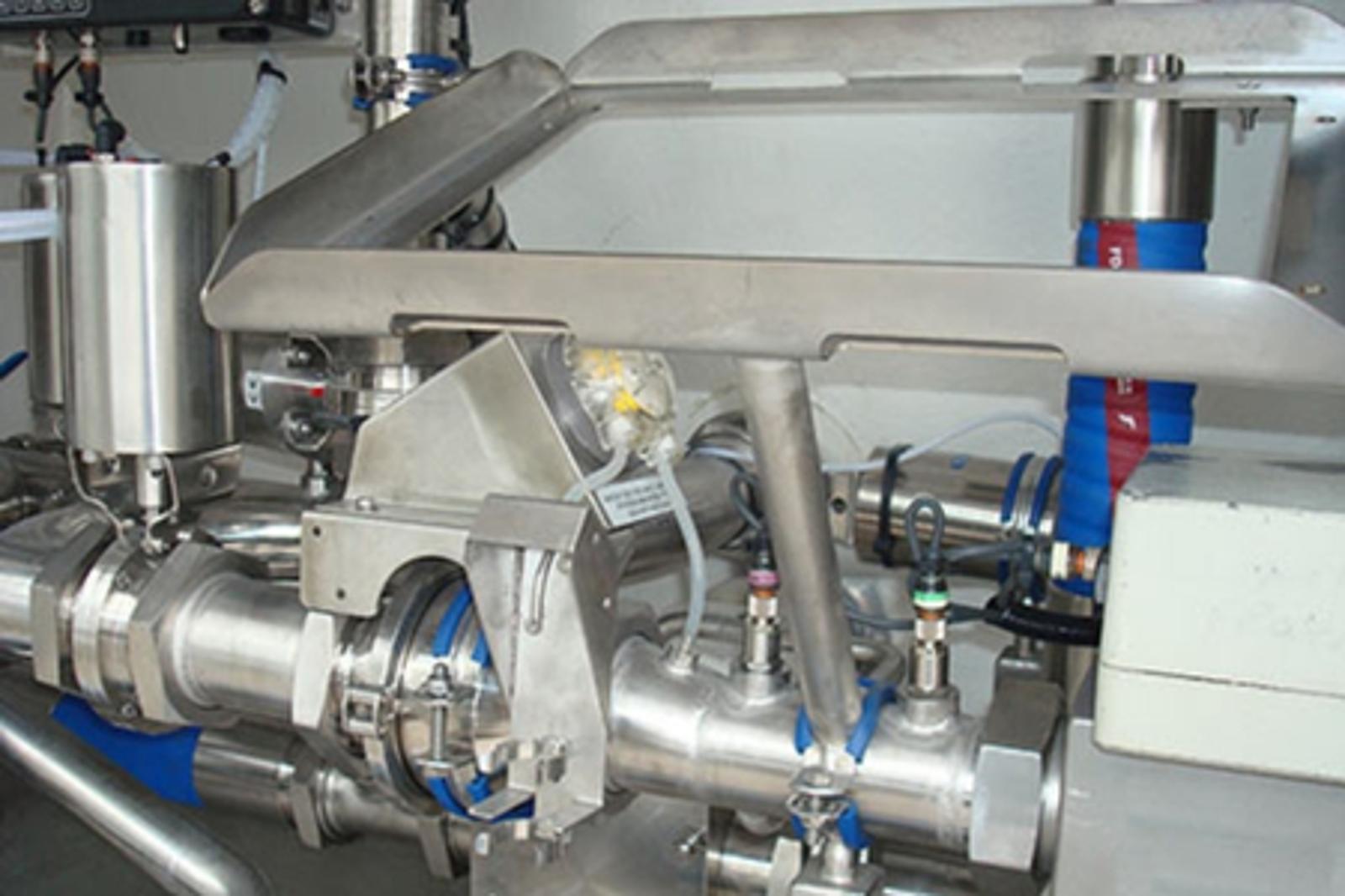
OptiLoad integrates with the essential equipment used for tanker milk loading, including a Dairy Pump, food-grade hoses, sanitary valves, flow meters, onboard controls, and optional weigh scales. Together, these components move milk safely from the farm tank into the Milk Tanker while helping drivers monitor flow, confirm quantities, and maintain hygienic handling. The system connects with onboard electronics to record collection data in real time or upload it after each shift, depending on your fleet’s setup.

Built for Reliability

Durable, modular components make servicing quick and simple while supporting hygienic milk handling. The product-contact path — including the Dairy Pump, food-grade hoses, sanitary valves, seals, and fittings — uses smooth, accessible surfaces that help reduce milk residue and contamination risks. Where the Milk Tanker and pump configuration supports clean-in-place (CIP) cleaning, approved cleaning solution and rinse cycles can circulate through the connected path without full disassembly. Always follow the equipment manufacturer’s temperature, chemical, flow, and sanitation requirements.
Regular inspection remains essential. Drivers and maintenance teams should check hoses for cracks, wear, kinks, and trapped residue; inspect valves and fittings for leaks or damage; and replace seals that are flattened, brittle, or no longer provide a secure sanitary connection. On-board diagnostics help identify pump or sensor issues early, while routine cleaning and component checks keep the transfer system reliable, hygienic, and ready for the road.

Flexible for Any Fleet Size

OptiLoad can be configured for bulk farm routes, high-stop-count operations, and long hose runs. When sizing a Dairy Pump, fleets should consider the required flow rate, hose length and diameter, lift height, transfer distance, product viscosity, and the pressure needed to move milk into the Milk Tanker without excessive restriction. The pump should provide enough capacity for efficient milk collection while maintaining controlled flow that supports hygienic handling and avoids unnecessary foaming. Your equipment supplier can match the pump, hoses, valves, and tanker setup to your route requirements and confirm that the system meets applicable sanitation and operating standards.

A System That Supports Growth

With faster workflows, accurate data, and lower operating costs, OptiLoad gives fleets the tools they need to improve performance and scale their operations.


Milk Quality & Fleet Intelligence

Milk Cooling, Quality Control & Collection Challenges

Protecting Milk Quality Throughout Collection and Transport

Maintaining milk quality begins at the farm and continues throughout the entire milk collection process. Raw milk must be collected, transferred, and transported under strict temperature and hygiene conditions to protect product integrity and comply with dairy industry requirements. Delays, improper cooling, inaccurate measurement, or poor visibility into collection data can increase operating costs and create quality-control risks.

OptiLoad helps dairy fleets improve milk collection efficiency by providing accurate collection records, real-time data visibility, and streamlined collection workflows. Combined with a hygienic Dairy Pump and Milk Tanker system, OptiLoad supports better quality control, improved route management, and more reliable milk transport from farm to processing facility.

Common dairy collection challenges include:

  • Maintaining correct milk cooling temperatures.
  • Preventing contamination during transfer.
  • Recording accurate collection and delivery data.
  • Reducing delays during loading and transport.
  • Improving visibility across the entire dairy fleet.


Milk Collection Data, Reporting & Dairy Fleet Management

Turning Collection Data Into Better Decisions

Modern dairy operations depend on more than efficient milk transfer. Fleet managers need accurate collection records, reliable measurement data, and real-time visibility to maintain quality standards, improve route planning, and optimise fleet performance.

OptiLoad combines a hygienic Milk Collection System with intelligent data management tools that help dairy operators monitor every stage of the collection process. Collection records, transfer information, operational data, and fleet activity can be monitored across multiple Milk Tankers, giving managers greater visibility and control over day-to-day operations.

Better Visibility Across Your Dairy Fleet

Without reliable information, it can be difficult to identify collection delays, monitor performance, verify deliveries, and maintain consistent quality standards. OptiLoad helps simplify fleet management by providing access to accurate collection data, supporting:

  • Improved route planning and milk transport efficiency.
  • Better quality control and collection traceability.
  • Faster identification of operational issues.
  • More accurate collection and delivery records.
  • Enhanced reporting for dairy fleet management.

By combining efficient milk transfer, automated measurement, and real-time data visibility, OptiLoad helps dairy fleets improve productivity while maintaining the high standards required throughout the milk collection and dairy transport process.