Products
Truck Mounted Compressors
Compressors for Electric Vehicles
Truck Mounted Blowers
Vacuum Pumps
Liquid Transfer Pumps
Hydraulic Oil Coolers
Systems & Packages
Ancillaries
Applications
Dry Bulk
Liquid Transfer
Liquified Gas Transfer
Highway & Utility Vehicles
eMobility
Hydraulics & Controls
Vacuum Truck Systems for Industrial, Municipal & Construction
Industries
ADR Truck Conversions
Animal Feed
Chemical
Construction Materials
Cryogenics
Fluid Transfer
Food and Beverage
OptiLoad Milk Systems
Mobile Tyre Service
Paper Industry
Pharmaceutical
Utility Vehicles
Walking Floor Trailer Systems
Waste Collection
Vehicle Maintenance Support
Service & Parts Protect - Maintenance & Asset Protection Solutions
Service Kits
Emobility Service Kits
Vehicle OBD Access & Maintenance Info
E-Mobility Business: European Service Network
Parts Protect for Hibon & Robuschi Transport
Knowledge Hub
Success Stories
Document Finder
Access Our Exclusive Webinar Library Anytime
About Us
News & Events
Our Global Locations
Discover Our Distributors
Product Selector
Document Finder
Our Brands
Compliance

Rail operators and rolling stock manufacturers need compressed air systems that perform reliably in real onboard conditions. These include limited space, repeated duty cycles, vibration, and changing temperatures—combined with strict uptime expectations.

A railway air compressor is not simply an air source; it is a compressor unit engineered to run reliably over time in rail service. It plays a critical role in air brake performance, doors, suspension, and auxiliary systems that keep the train operating safely and on schedule.

Gardner Denver provides engineered railway compressor solutions designed specifically for transport environments, including locomotive applications. We offer products and solutions for both electric and Diesel platforms, with options for oil free operation where required. Our systems are built for rail from the ground up—supporting performance, serviceability, and optimized lifecycle cost.

Built for Real Rail Conditions

Railway environments place very different demands on compressed air systems compared to stationary installations. Equipment must operate consistently across routes, climates, and operating profiles, while fitting within tight onboard layouts and meeting industry expectations. In each locomotive or rail vehicle, the compressor unit is part of the main compressed air system, and correct integration helps control pressure stability over time.

Typical requirements include:

Frequent start-stop operation Continuous duty across varying load conditions Exposure to vibration, dust, and moisture Limited installation space Stable pressure for critical systems Automatic control response under changing demand Long service intervals

These factors directly impact reliability, maintenance planning, and overall operating cost.
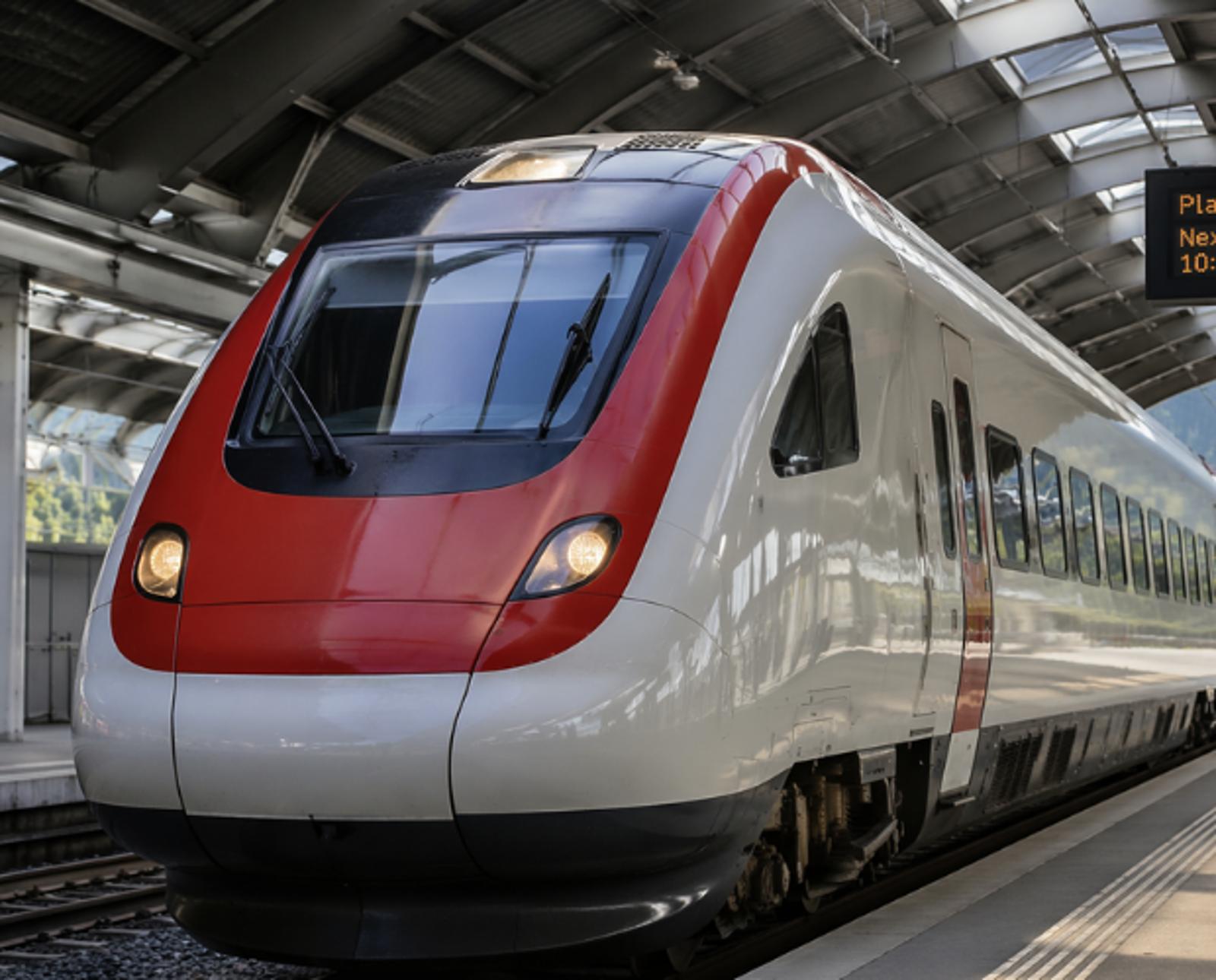
Railway Air System Safety and Regulatory Compliance

Railway air systems must meet strict safety and regulatory requirements, as they support critical onboard functions.

Compliance is not only about performance—it also involves reliability, air quality, and proper integration with braking systems. Compressed air systems must deliver stable pressure and operate consistently under all conditions.

Key expectations include:

  • Consistent pressure under dynamic operation
  • Clean, dry air to protect system components
  • Reliable performance across duty cycles
  • Proven durability under vibration and temperature variation

For operators and OEMs, this means selecting solutions specifically engineered for rail environments, ensuring both compliance and long-term reliability.

Fail-Safe Pneumatic Brake Systems and Air Supply

Fail-safe pneumatic braking systems are fundamental to railway safety. These systems are designed so that any loss of air pressure automatically triggers braking, allowing the locomotive or train to stop safely in the event of a fault.

To support this function, the compressor and air supply system must provide:

Continuous availability of compressed airStable pressure to maintain brake readinessClean and dry air to protect control componentsReliable performance across repeated duty cycles This includes correct valve operation to support air brake response, especially when duty cycles are high and the system must run reliably over time.

A well-designed system ensures that brake reservoirs remain properly charged and that pressure is maintained within the required range. This supports both normal operation and emergency braking scenarios.

In this context, compressor reliability is not only an operational requirement—it is a safety-critical element of the entire railway system.

Applications Across the Rail Sector

Gardner Denver Transport Solutions Passenger Rail
Passenger Rail

Passenger Rail

Used in braking, doors, suspension, and auxiliary systems. These applications require stable performance and minimal disruption.

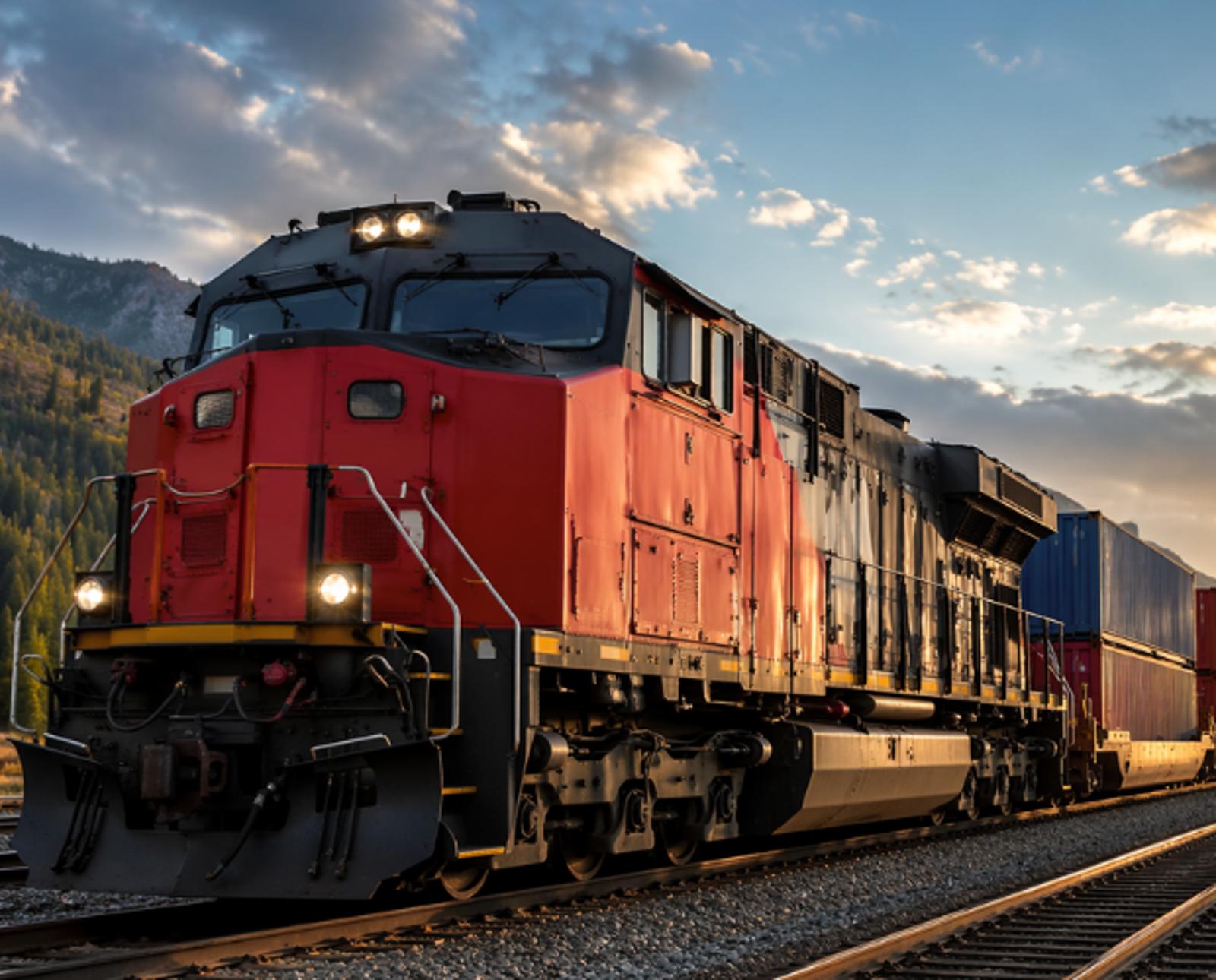
Gardner Denver Transport Solutions Freight and Locomotive Applications
Freight and Locomotive Applications

Freight and Locomotive Applications

Typically involve heavier-duty cycles and harsher environments, requiring robust and durable solutions.

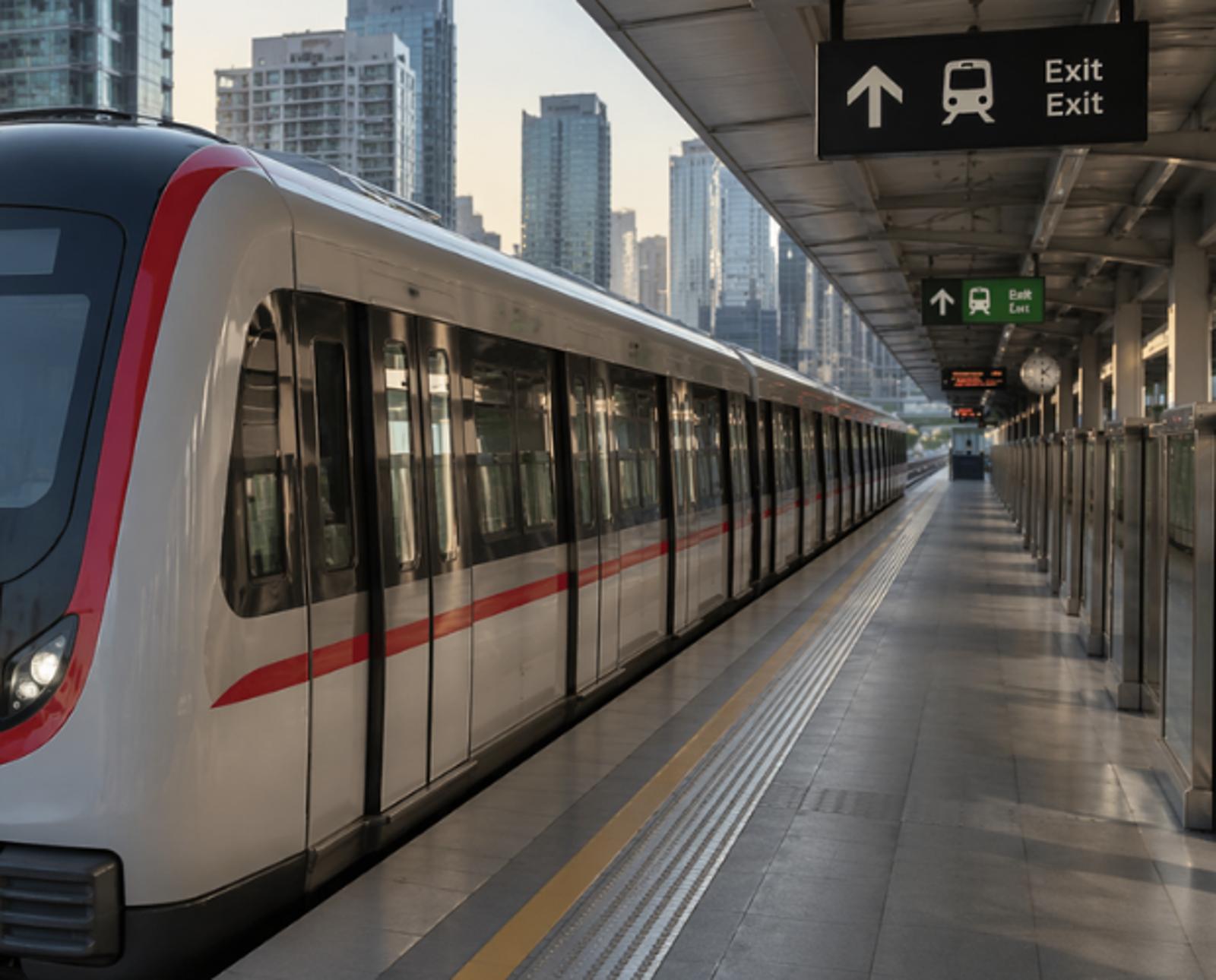
Gardner Denver Transport Solutions Metro and Urban Transit
Metro and Urban Transit

Metro and Urban Transit

Frequent stop-start operation requires systems capable of handling high utilization.

Gardner Denver Transport Solutions Specialized Vehicles
Specialized Vehicles

Specialized Vehicles

Maintenance and service vehicles often require tailored solutions based on specific operational needs.

Typical Use Cases

Braking systems: require stable and reliable air supply Door systems: depend on consistent pneumatic performance Suspension systems: support ride quality and stability Auxiliary systems: rely on dependable compressed air availability and correct valve timing.

What to Consider When Selecting a Railway Compressor

Key factors include:

Required pressure and system capacityInstallation constraints and available spaceVehicle type and duty cycleMaintenance requirements and service accessAir quality requirementsLong-term reliability and lifecycle cost Also consider compressor technology, piston design, the motor and drive arrangement, and how the unit will run at required speed without compromising reliability.

A well-matched solution improves efficiency, reduces downtime, and supports long-term fleet performance.

FAQ

Railway compressors are designed for mobile conditions, including vibration, limited space, and continuous duty cycles—unlike stationary industrial systems.

Start with the Application

Selecting the right system starts with understanding the vehicle, operating conditions, and maintenance strategy. Gardner Denver works with OEMs and operators to offer compressor products and solutions tailored to real rail requirements—supporting reliability, serviceability, and long-term value over time.