Van Air Compressor Selection, Installation and Maintenance
Before choosing a van-mounted air compressor, check the power demand, air output and installation requirements for the intended equipment. Power consumption varies by compressor size and drive system. An engine-driven or PTO-driven compressor takes power from the vehicle’s engine and gearbox, while an electric compressor draws current from the vehicle battery and charging system. There is no single power figure for every installation, so confirm the compressor specification, available engine power, alternator capacity and duty cycle before fitting the equipment.
For tyre service work, compare the compressor’s free air delivery (CFM) with the requirements of the tools and the tyre sizes being serviced. Tyre inflation may need moderate airflow, while impact wrenches, bead breakers and other pneumatic equipment can require higher continuous output. PSI indicates the maximum working pressure, but a higher pressure rating does not always mean better performance. Select a compressor that can provide the required pressure and CFM during normal operation, with suitable allowance for pressure loss through hoses, couplings and filters.
Tank capacity also affects how the system performs. A larger receiver stores more compressed air for short bursts, which can reduce compressor cycling when using high-demand equipment. However, tank size adds weight and takes up space, affecting payload and installation options. A smaller tank may suit intermittent tyre inflation and compact vans, while regular pneumatic-tool use may justify a larger receiver and faster recovery rate.
Noise levels depend on the compressor design, engine speed, mounting method and enclosure. Engine-driven systems can be louder during operation than compact electric units, particularly when supplying air continuously. Use suitable vibration isolation, secure brackets and, where appropriate, acoustic protection. Consider noise when working near customers, residential areas or other businesses, while ensuring that any enclosure still provides adequate ventilation and access for inspection.
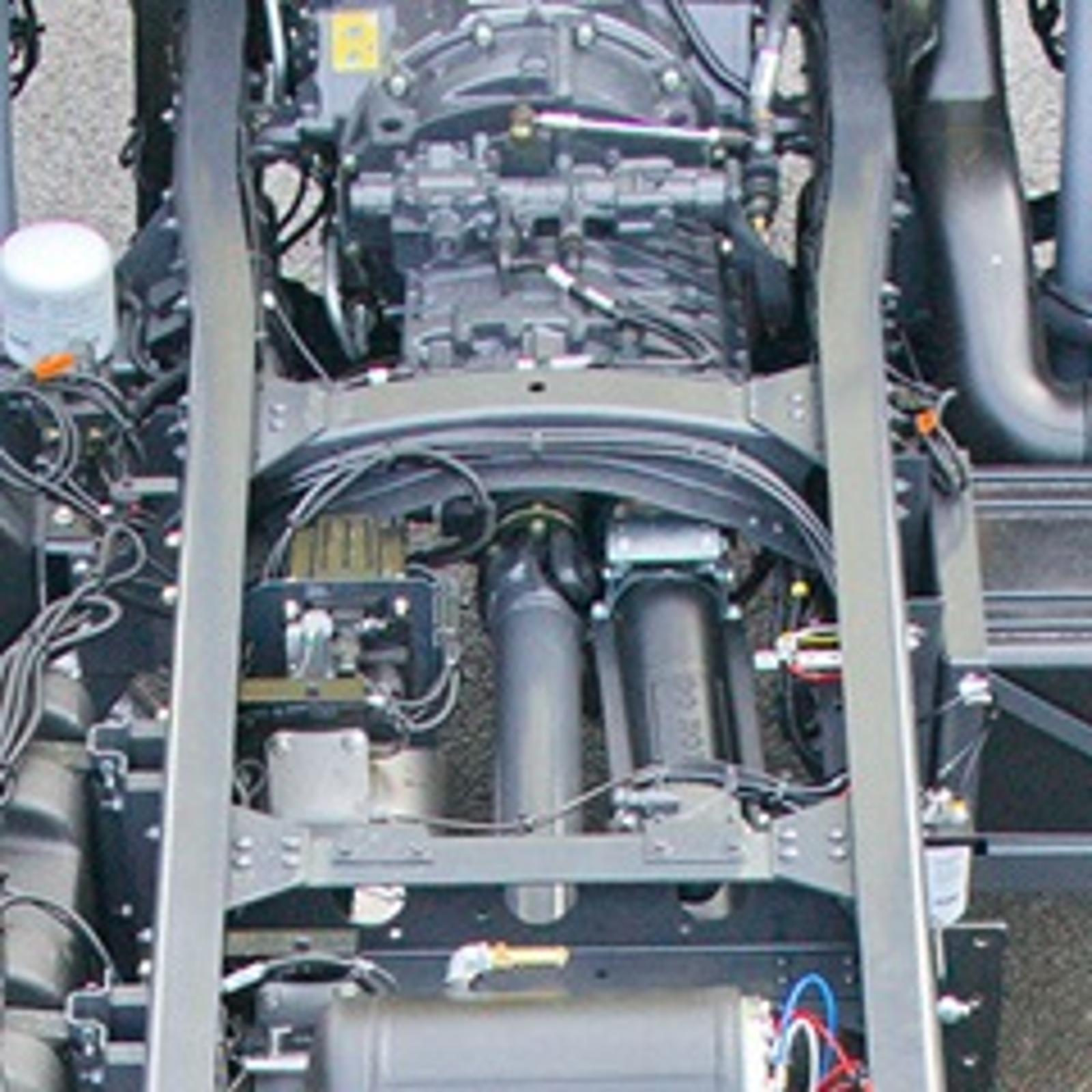
Follow the manufacturer’s instructions and applicable HSE safety and installation guidelines. The compressor must be securely mounted to a suitable structural part of the vehicle, with adequate ground clearance and protection from impact, water and road debris. Check the vehicle’s payload, axle loads and available space before installation. Provide safe routing for air lines, electrical cables and drive components, and keep hot surfaces, exhaust components and moving parts protected from contact. Ventilation is essential to prevent overheating, and engine-driven systems must not discharge exhaust fumes into the working area.
Inspect the mounted compressor, brackets, hoses, couplings, belts and guards regularly. Drain receiver tanks as required to remove moisture, check for air leaks and follow the recommended service intervals for filters, oil and other wear components. Before maintenance, isolate the power source and release stored compressed air safely. Regular inspections help maintain reliable operation and reduce the risk of equipment damage or injury.
Gardner Denver Transport offers a complete range of mobile tyre service solutions, from compact on board power systems for tyre fitting vans to high-capacity PTO compressor systems for heavy-duty truck and plant tyre repair vehicles. The table below helps identify the best solution based on vehicle size, power requirements, and service application.
Why Gardner Denver Transport Stands Out
Vehicle Type | GDT Product | Application | Key Characteristics | Best For |
|---|---|---|---|---|
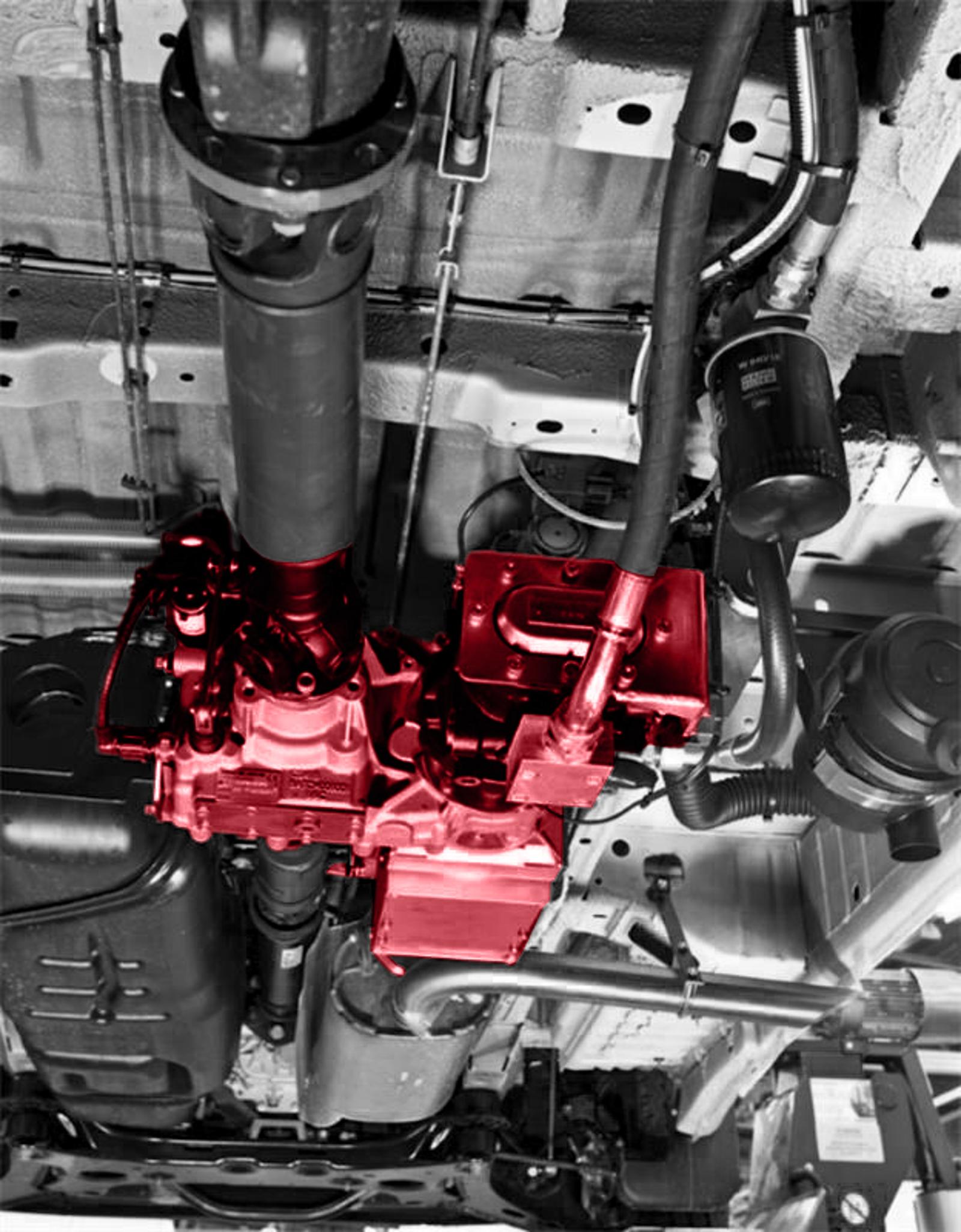
3.5 - 7.2 tonne service vans | DLG On Board Power Systems | Mobile tyre fitting and roadside tyre service | • Underfloor installation | Operators needing maximum payload capacity and storage space while maintaining reliable air power for tyre service. |
Heavy-duty service trucks (>7.2 tonne) | PTO Air Compressor Systems | Truck tyre repair, fleet service and roadside assistance | • High air output | High-volume tyre inflation and demanding truck tyre service applications. |
Mobile workshops and service trucks | PTO Air Compressor & Alternator Systems | Tyre service vehicles requiring air and electrical power | • Compressed air and electrical power from one system | Vehicles operating air tools, lighting, and other electrical equipment alongside tyre servicing. |
Plant, mining and construction tyre service vehicles | Custom Truck Mounted Compressor Systems | Large truck and plant tyre repair | • Custom-built configurations | Heavy-duty off-road, mining, agricultural and construction tyre applications. |
Vehicles requiring auxiliary equipment operation | PTO Hydraulic Systems | Tyre handling equipment and support tools | • Hydraulic power generation | Service vehicles operating tyre manipulators, cranes, or other hydraulic equipment. |