Products
Truck Mounted Compressors
Compressors for Electric Vehicles
Truck Mounted Blowers
Vacuum Pumps
Liquid Transfer Pumps
Hydraulic Oil Coolers
Systems & Packages
Ancillaries
Applications
Dry Bulk
Liquid Transfer
Liquified Gas Transfer
Highway & Utility Vehicles
eMobility
Hydraulics & Controls
Vacuum Truck Systems for Industrial, Municipal & Construction
Industries
ADR Truck Conversions
Animal Feed
Chemical
Construction Materials
Cryogenics
Fluid Transfer
Food and Beverage
OptiLoad Milk Systems
Mobile Tyre Service
Paper Industry
Pharmaceutical
Utility Vehicles
Walking Floor Trailer Systems
Waste Collection
Vehicle Maintenance Support
Service & Parts Protect - Maintenance & Asset Protection Solutions
Service Kits
Emobility Service Kits
Vehicle OBD Access & Maintenance Info
E-Mobility Business: European Service Network
Parts Protect for Hibon & Robuschi Transport
Knowledge Hub
Success Stories
Document Finder
Access Our Exclusive Webinar Library Anytime
About Us
News & Events
Our Global Locations
Discover Our Distributors
Product Selector
Document Finder
Our Brands
Compliance

Our air equipment is designed to discharge your material at optimal rates to reduce your discharge times and can be configured to operate efficiently with any dry chemical or bulk liquid transport product.

Bulk chemical transport is the movement of unpackaged chemical cargo in purpose-selected vehicles and transport systems. It includes dry materials such as powders and granules, as well as liquid chemicals carried in dedicated tanks or containers. Effective bulk chemical transportation depends on reliable chemical transport equipment that supports safe handling, efficient unloading, and consistent product quality throughout the supply chain.

For optimal performance of a huge range of chemical transport and discharge applications, from powders such as sulphur or sodium, to liquid chemicals such as bitumen, resins or acids, trust Gardner Denver.


We offer a broad range of airflow and pressure options to match your chemical logistics requirements. Choosing the right tanks for bulk chemicals starts with the cargo itself, including its physical state, density, viscosity, temperature, and compatibility with tank materials. Our specialists can help match your tank, compressor, blower, and ancillary equipment to the chemical being transported, supporting safe handling, efficient discharge, and product protection. With a wide selection of configurations and features, we can provide a tailored solution for dry chemical and liquid chemical transportation needs.

Modes and Methods of Bulk Chemical Transportation

Bulk chemicals are transported through several modes, selected according to the chemical’s properties, delivery distance, volume, and handling requirements:

  • Road transport:
  • Rail transport:
  • Marine transport:
  • Intermodal transport:

The right transport method depends on the product, route, container or tank specification, and discharge process. Gardner Denver compressors and blowers help support reliable unloading from tankers, ISO tanks, and other bulk transport systems, helping operators reduce discharge times while protecting product quality.

chemical-bulk-transport-compressors-480x330

Chemical Dry Bulk Compressors & Blowers

Gardner Denver’s specialist blowers and compressors offer a wide range of air flow performance, making them ideally suited to any number of dry powder transport and chemical applications. Our units can discharge anything from fine powders to heavier, larger particle chemical products used in a plethora of professional industries and processes in Europe and around the globe.

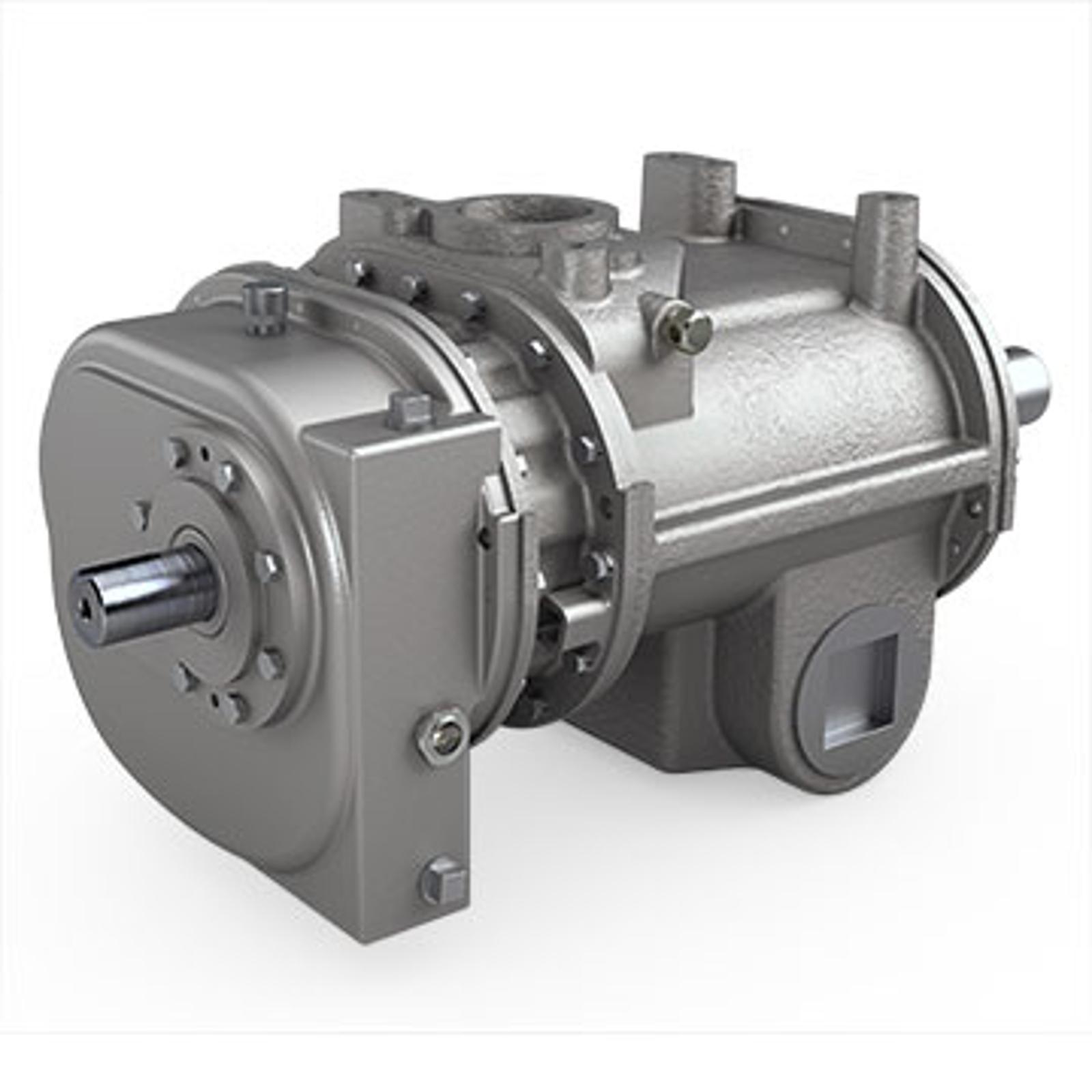
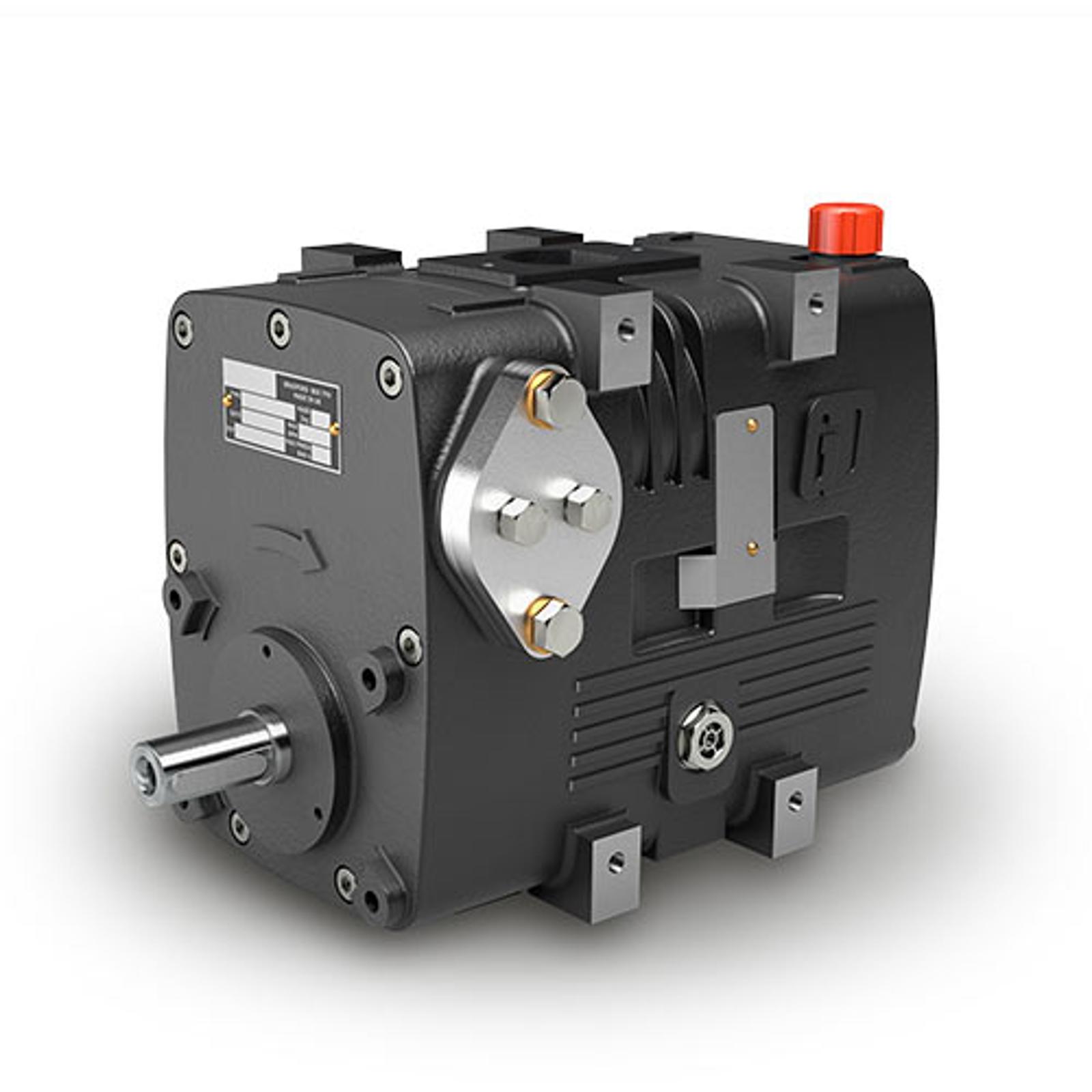
The  XK Series, Bulkline 650 & 1000, or TR20 can be harnessed and customised to select the optimal air flow for your bulk chemical application at the desired operating pressure to achieve a fast and effective discharge time without damaging any product during the unloading process. This ensures the safety and quality of your product throughout transportation, delivering amazing results for customers and their business.

For higher air flow requirements when a high density or pelletised chemical is involved, our existing equipment offering is complimented by the T5 Cycloblower – ideal when a lower operating pressure and higher air flow is desired.


Compare Our Dry Bulk Chemical Transport Solutions

Product

Type

Typical Materials

Best For

Key Benefit

TR20

Oil-Free Screw Compressor

Sulphur, sodium, powders, granules

Space-constrained tanker installations and direct PTO drives

Compact design with high performance for efficient dry chemical discharge

Bulkline 600 & 1000

Oil-Free Screw Compressor

Fine powders, chemical dusts, dry bulk chemicals

Side-mounted belt-driven installations

Reliable performance with multiple capacity options

XK Series

Oil-Free Screw Compressor

Fine powders, granules, specialty chemicals

Versatile dry bulk and chemical transport applications

Compact, contactless design with multiple drive configurations

T5 Cycloblower

Truck-Mounted Blower

Dense powders, pellets, high-volume bulk chemicals

High-density and pelletised chemical products

High airflow performance for fast discharge at lower operating pressures

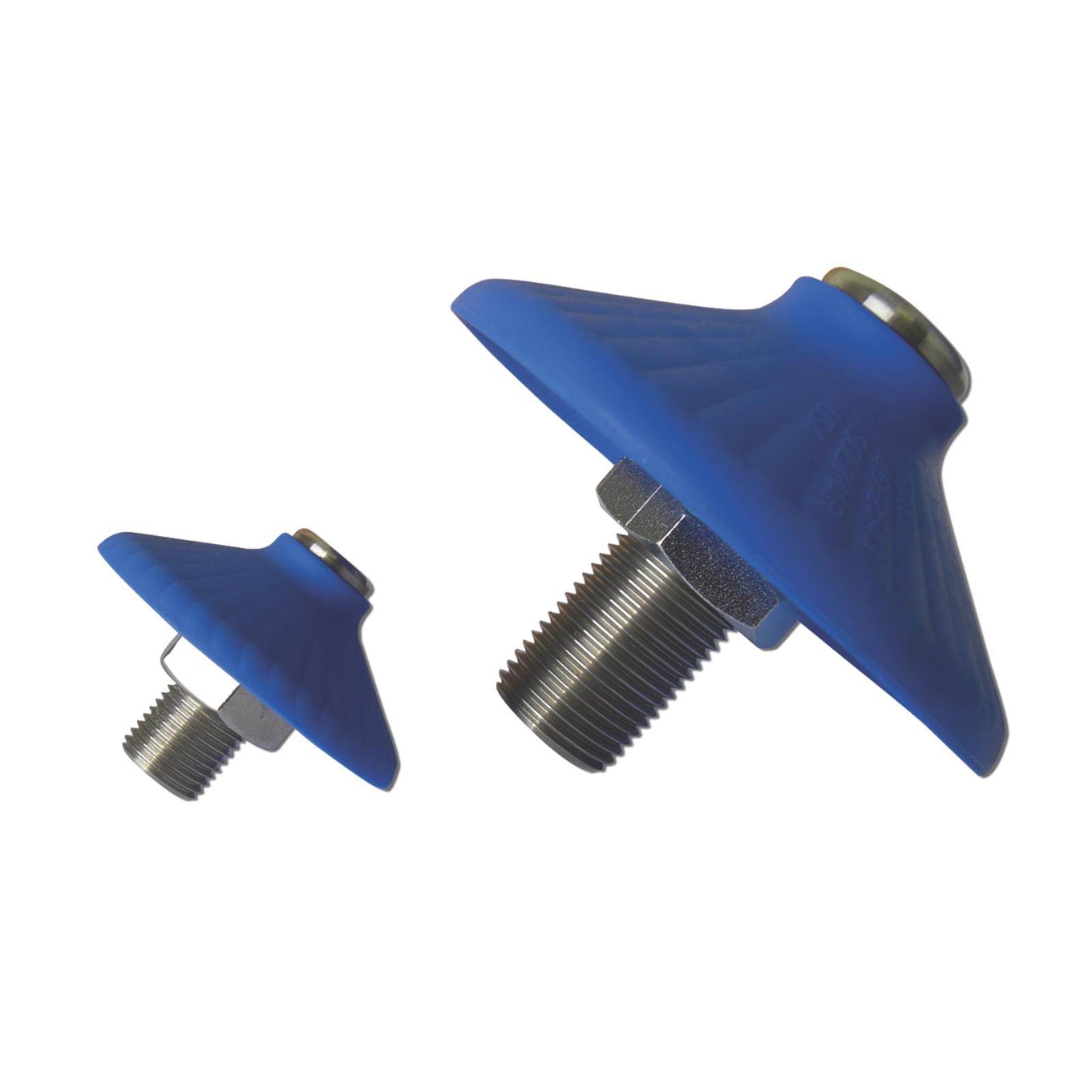
Solimar Fluidizers

Fluidization Solution

Materials prone to bridging, rat-holing, or compaction

Silos and trailers handling difficult powders

Improves material flow and helps reduce unloading times

Chemical Liquid Bulk Compressors & Blowers

Our market-leading portfolio of liquid bulk compressors supports the safe and efficient unloading of liquid chemicals from dedicated tanks, tankers, and other transport systems. Liquid bulk chemical transportation moves unpackaged liquid cargo in purpose-built tanks, with the tank and chemical transport equipment selected for the product’s compatibility, viscosity, and handling requirements. Our compressors transfer air without contacting the product, helping prevent contamination and protect product quality during discharge.
Temperature control is also essential for temperature-sensitive cargo such as bitumen and resins. Tank insulation, heating systems, and the overall transport configuration must maintain the required product temperature throughout transport and unloading. By matching the compressor, tanks, and ancillary equipment to the chemical, we help operators achieve reliable discharge times while preserving cargo quality and supporting safe bulk chemical transportation.

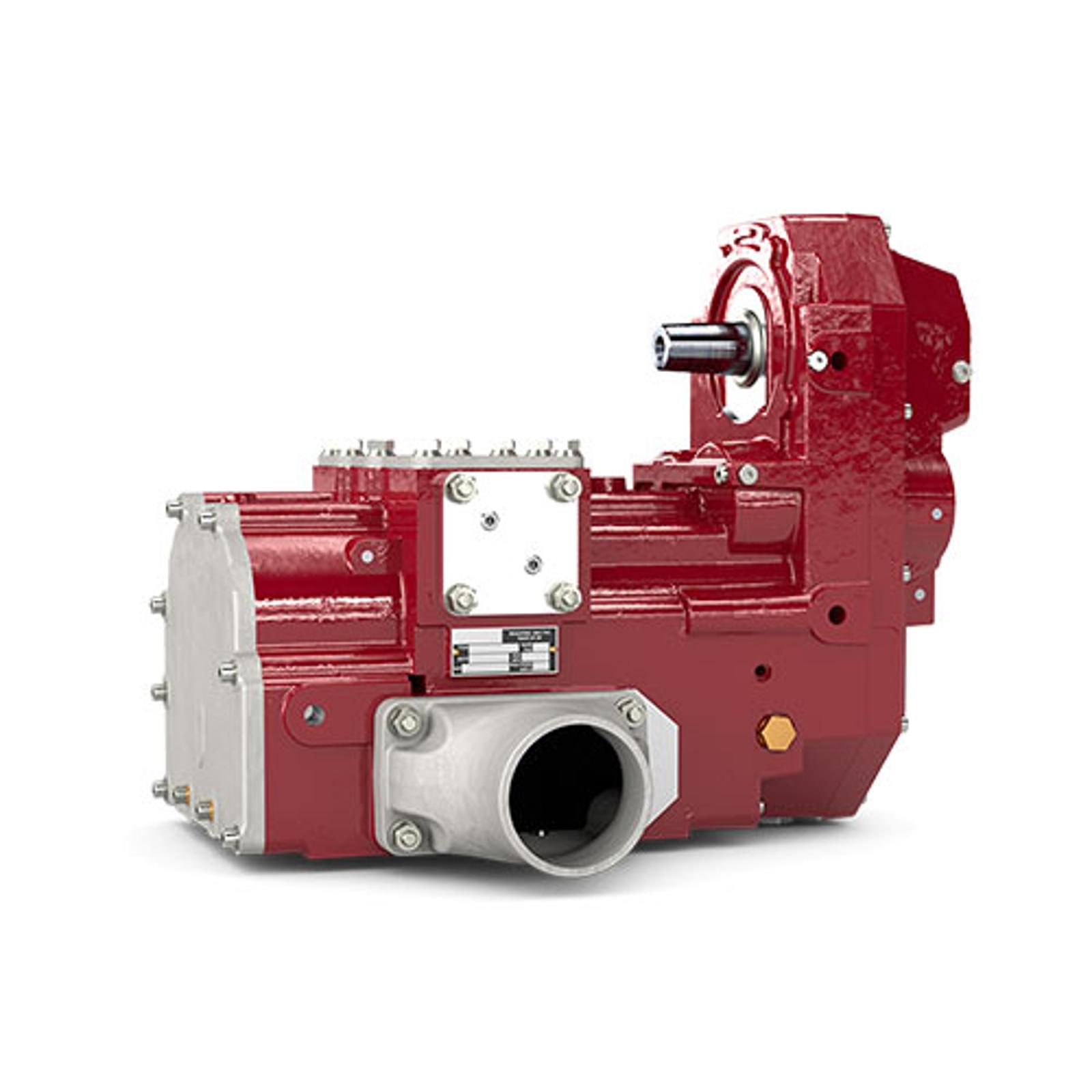
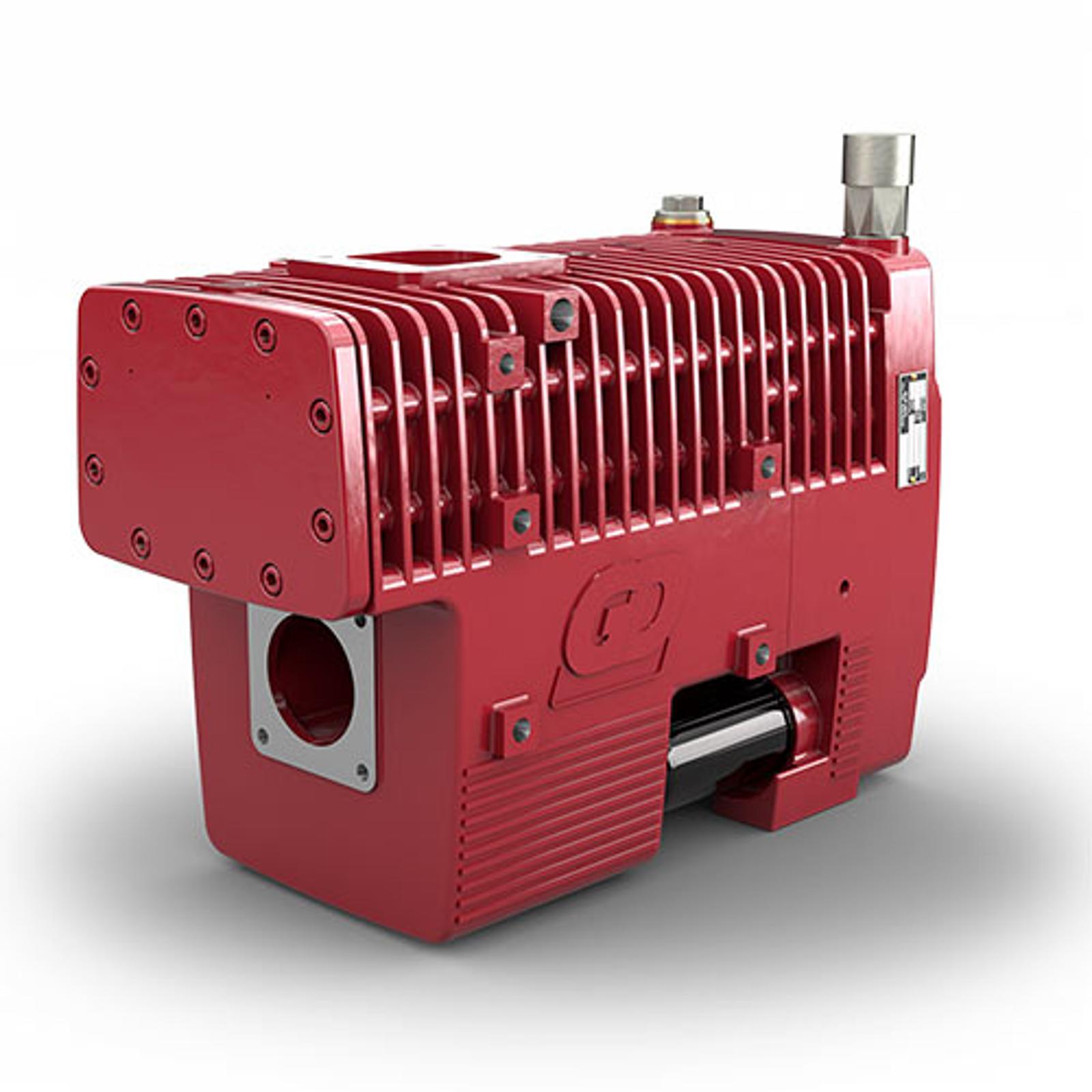
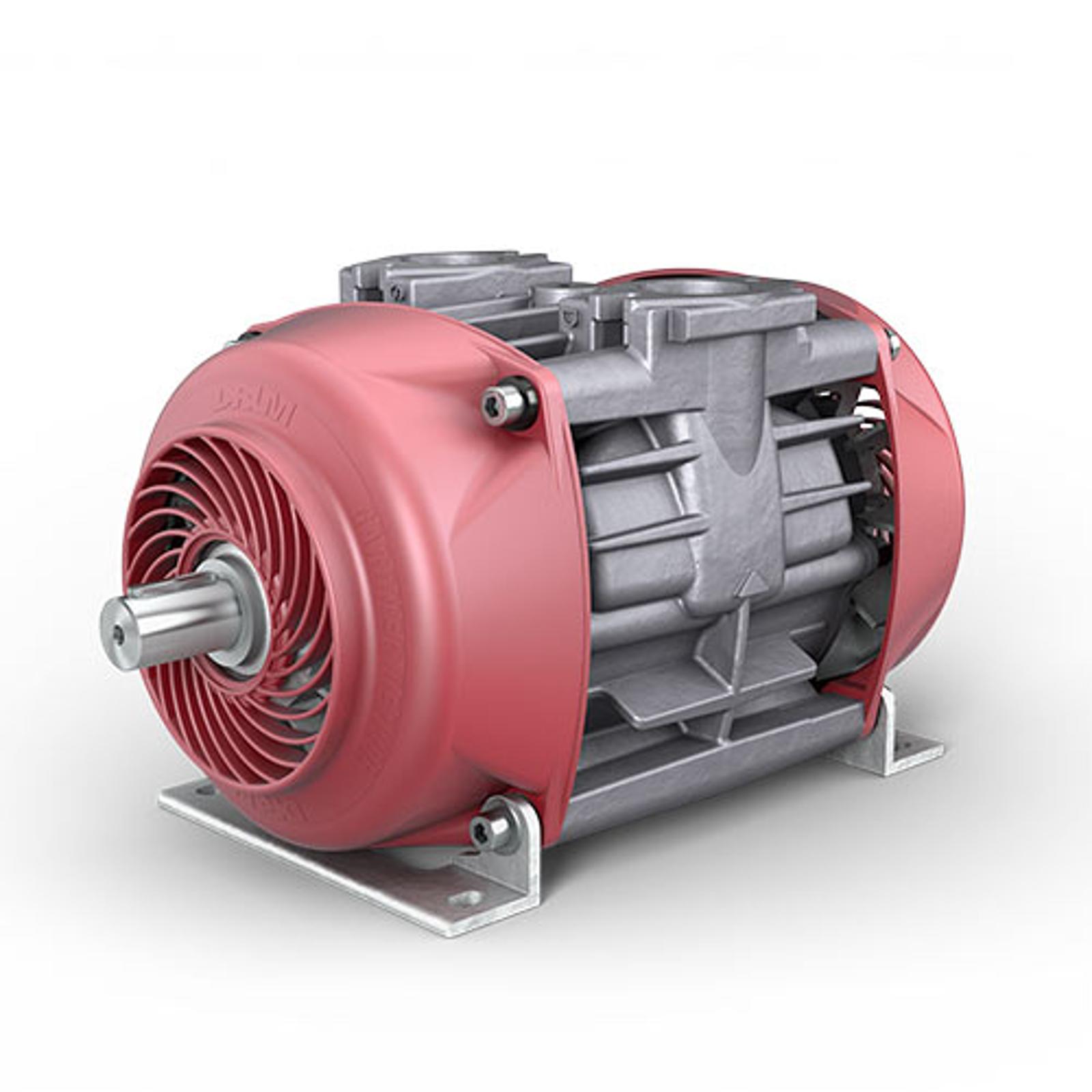
The  GD series of truck mounted compressors are hugely efficient, reliable, low maintenance, and are available in a number of customised drive solutions and system installations. The SC200 oil free screw compressor provides powerful air flow with clean air and can be installed in a variety of positions on your vehicle.

How is temperature control handled in liquid bulk transport?

Temperature control is critical in Liquid Bulk Transportation, particularly when transporting temperature-sensitive products such as bitumen, resins, adhesives, and specialty chemicals. Depending on the product requirements, transport operators may use insulated tanks, heating systems, or temperature-controlled transport configurations to maintain the required product temperature throughout the journey and unloading process.

Maintaining the correct temperature helps preserve product quality, prevent solidification, reduce viscosity-related discharge issues, and support safe handling. When selecting equipment for bulk liquid transportation, operators should consider the chemical's temperature sensitivity alongside factors such as viscosity, pressure, and compatibility with tank materials. Combined with the right compressor and discharge equipment, effective temperature management helps improve unloading efficiency, reduce operational risks, and protect cargo throughout the chemical logistics supply chain.


Compare Liquid Bulk Chemical Transport Compressors


Product

Type

Common Chemical Materials

Best For

Key Benefit

GD150 & GD175 

Oil-Free Vane Liquid Bulk Compressor 

Liquid chemicals, solvents, acids, cleaning agents, liquid fertilizers 

General-purpose liquid bulk tanker unloading 

Compact, lightweight, reliable solution with low maintenance requirements 

SC200 

Oil-Free Screw Liquid Bulk Compressor 

Bitumen, resins, temperature-sensitive liquids, specialty chemicals 

High-performance and contaminant-sensitive applications 

Powerful airflow and contaminant-free discharge to protect product quality

Safe & Compliant Chemical Transportation

All our dry and liquid bulk compressors are available with direct PTO, hydraulic, electric motor, or belt-drive configurations. Each system delivers oil-free discharge air to help prevent contamination and protect chemical cargo during transport. Safe Liquid Bulk Transportation also depends on matching the chemical’s properties — including corrosiveness, viscosity, temperature, and pressure requirements — with compatible tanks, seals, hoses, valves, and discharge equipment. This helps reduce common risks such as leaks, overpressure, product degradation, and unsafe temperature changes.Our equipment supports responsible chemical logistics, but every shipment must also follow applicable dangerous-goods requirements. Chemical transport operators should confirm the correct classification, packaging or tank specification, labels, placards, emergency information, and shipping documentation before transport. With the right equipment and procedures, we provide clean, efficient, and tailored solutions that support safe unloading, regulatory compliance, and reliable delivery of dry and liquid chemical cargo.

Before transport, assess each chemical to determine whether it is hazardous or non-hazardous and confirm its classification, compatibility, corrosiveness, viscosity, temperature, and pressure requirements. Use compatible tanks, seals, hoses, valves, compressors, and blowers, and complete inspections before loading, during transit, and before discharge. Trained personnel must follow site procedures, emergency controls, and the requirements for the selected transport mode.For dangerous goods, confirm the following before shipment:

  • Classification: Identify the chemical’s applicable hazard class, transport name, identification number, and any required packing or tank instructions.
  • Labels and placards:Apply the correct package labels, vehicle placards, marks, and other hazard information required for the chemical and quantity being transported.
  • Shipping documentation: Prepare accurate transport documents, including the chemical description, quantity, packaging or tank details, route information, and required declarations.
  • Emergency information: Keep current emergency instructions, response contacts, and relevant safety information available to drivers, handlers, and emergency responders throughout transport.
  • Trained personnel: Ensure drivers, loaders, unloaders, and other handlers have the training required for their duties and understand the applicable emergency procedures.

For UK road logistics, hazardous goods must meet the relevant UK dangerous-goods requirements. Rail, marine, and intermodal shipments may follow different national and international frameworks, depending on the route, chemical, quantity, packaging or tank type, and transport mode. Non-hazardous chemicals must still be transported in suitable, compatible equipment to prevent leaks, contamination, and product damage. Operators should verify current requirements before every shipment and retain the documentation needed to support regulatory compliance and safe delivery.

Gardner Denver Transport Solutions

Maintain Peak Performance with Aftermarket Support

Reliable chemical transportation depends on more than selecting the right compressor or blower. Regular maintenance and inspection help ensure equipment continues to operate safely, efficiently, and in compliance with operational requirements. Gardner Denver supports customers with preventative maintenance programs, genuine spare parts, and expert aftermarket service to help maximize equipment uptime, preserve discharge performance, and extend product life. By keeping compressors and blowers operating at their best, operators can reduce the risk of unexpected downtime and maintain consistent performance throughout the chemical supply chain.