Products
Truck Mounted Compressors
Compressors for Electric Vehicles
Truck Mounted Blowers
Vacuum Pumps
Liquid Transfer Pumps
Industrial Liquid Transfer Pumps
Hydraulic Oil Coolers
Systems & Packages
Ancillaries
Applications
Dry Bulk
Liquid Transfer
Liquified Gas Transfer
Highway & Utility Vehicles
eMobility
Hydraulics & Controls
Vacuum Truck Systems for Industrial, Municipal & Construction
Industries
ADR Truck Conversions
Animal Feed
Chemical
Construction Materials
Cryogenics
Fluid Transfer
Food and Beverage
OptiLoad Milk Systems
Mobile Tyre Service
Paper Industry
Pharmaceutical
Utility Vehicles
Walking Floor Trailer Systems
Waste Collection
Vehicle Maintenance Support
Service & Parts Protect - Maintenance & Asset Protection Solutions
Emobility Service Kits
Vehicle OBD Access & Maintenance Info
E-Mobility Business: European Service Network
Parts Protect for Hibon & Robuschi Transport
Knowledge Hub
Success Stories
Document Finder
Access Our Exclusive Webinar Library Anytime
About Us
News & Events
Our Global Locations
Discover Our Distributors
Product Selector
Document Finder
Our Brands
Compliance

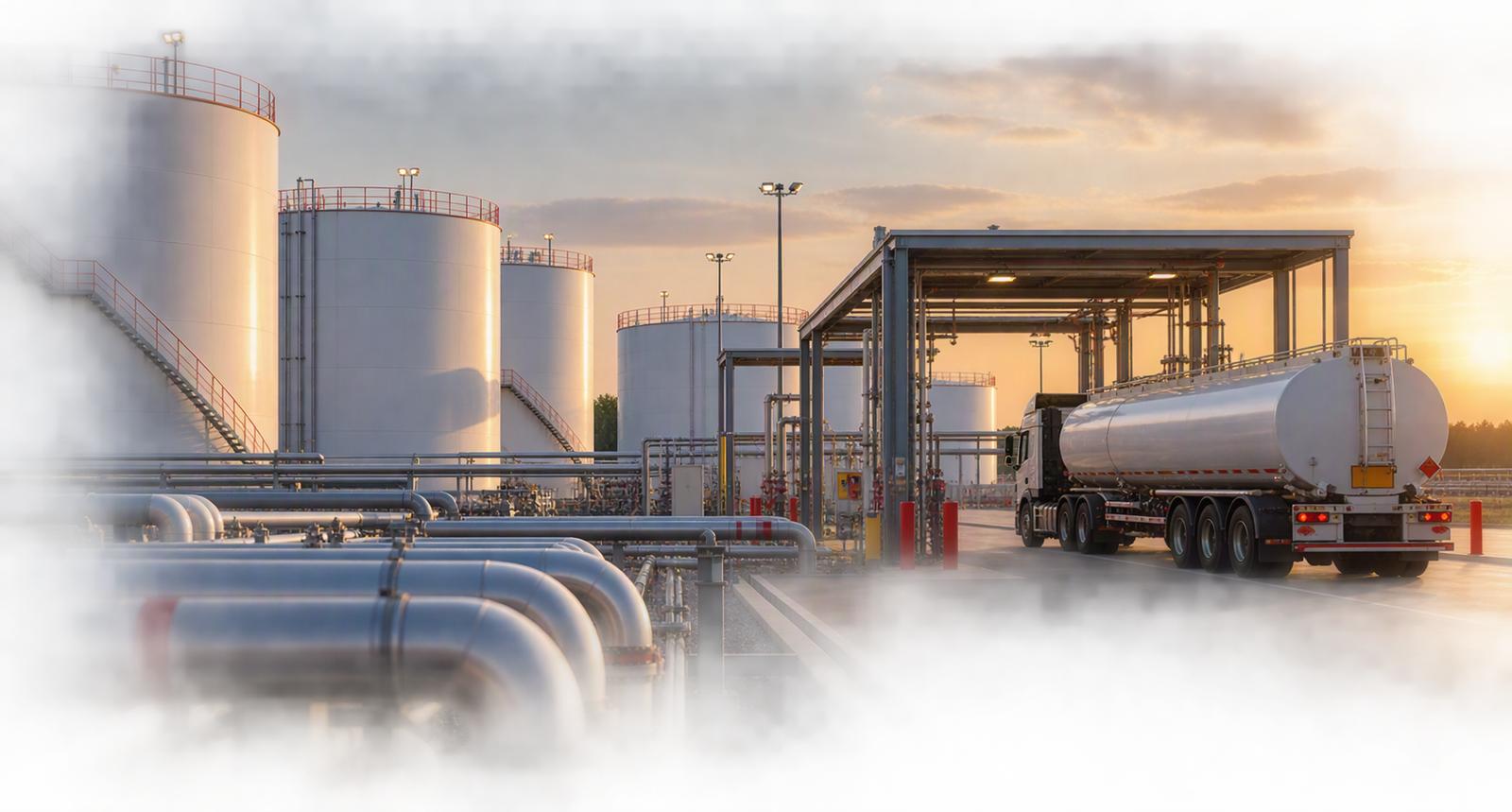
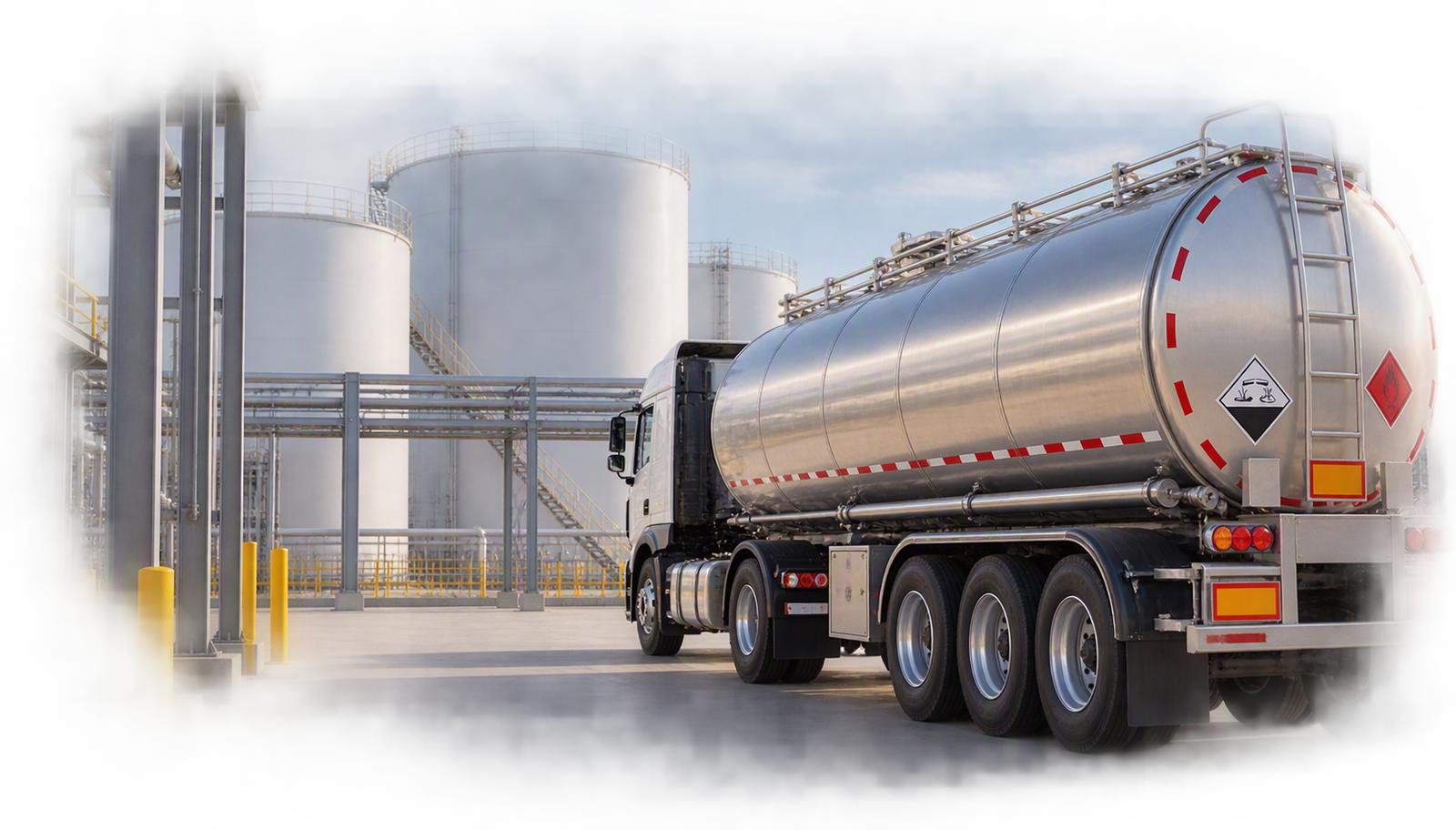
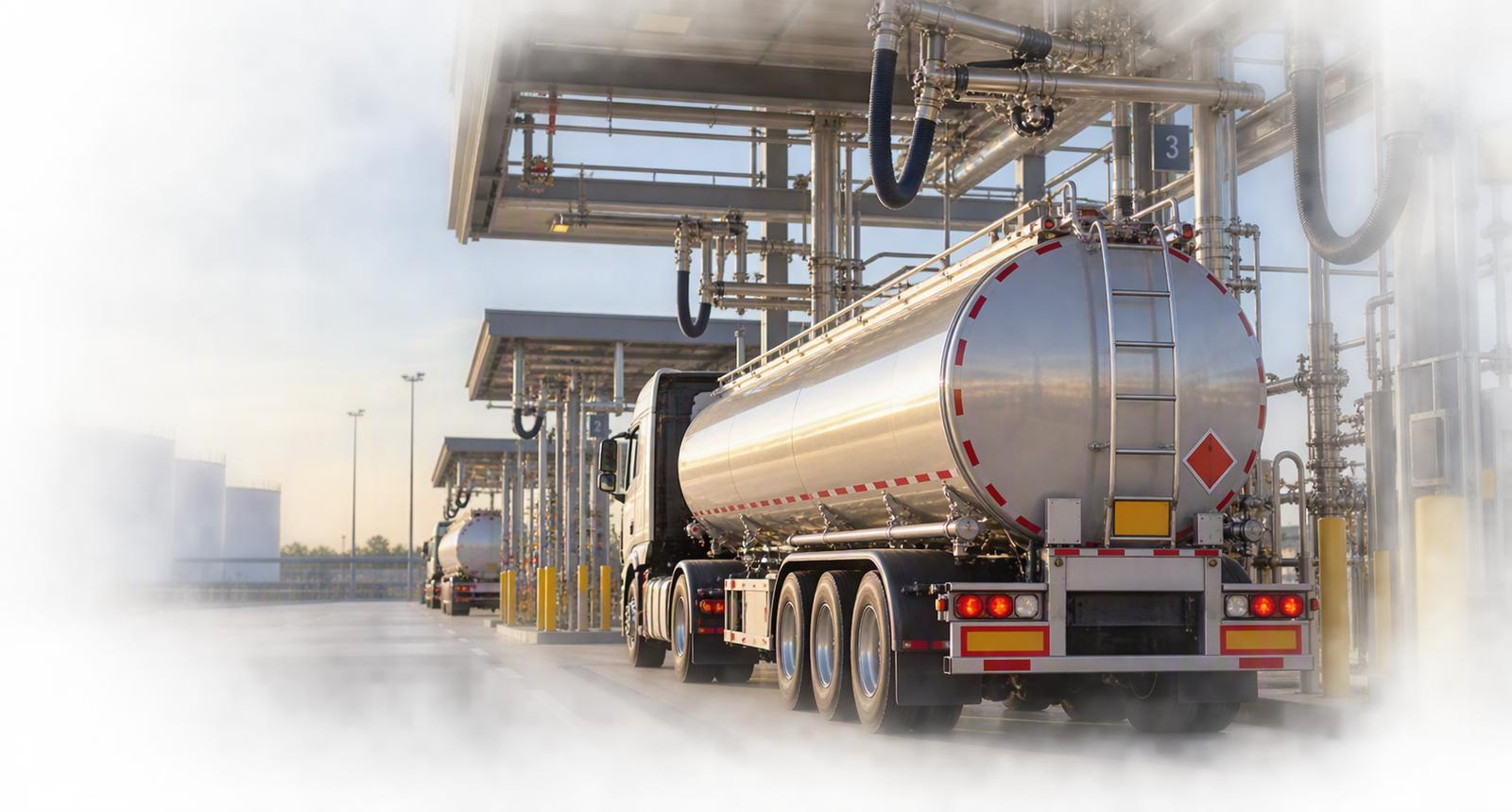
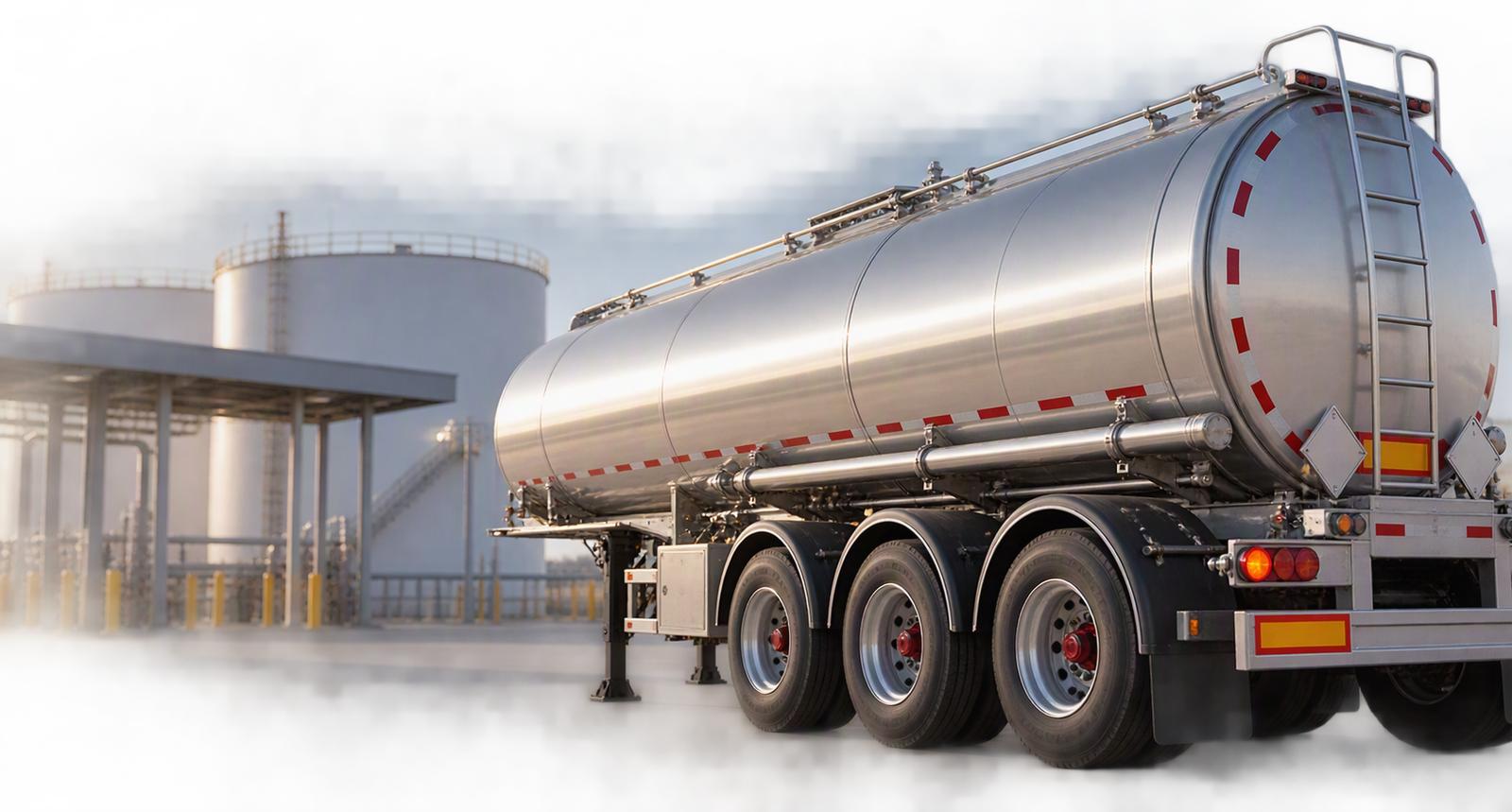
Gardner Denver Transport Solutions designs and manufactures high-performance liquid transfer pumps engineered specifically for tank trucks, trailers, and mobile fluid handling systems for fuel, chemical, food and water.

Our range of fuel transfer pumps, petrol transfer pumps, chemical transfer pumps and rotary lobe liquid transfer pumps delivers fast and efficient loading and unloading, reliable Self Priming performance, consistent flow rates, accurate product transfer and low maintenance operation for demanding transport applications.

Whether you are transporting diesel, gasoline, ethanol, chemicals, blended fuels, ethylene glycol or sensitive liquid products, our pumps are designed to maximize uptime, improve efficiency, and support safe product transfer. It can also be supplied together with electric motor or hydraulic motor.

Technologies & Product Range

Why Choose Sliding Vane Technology?

Sliding vane pumps are widely recognized throughout the transport industry for their performance, reliability, and operational efficiency.


How Sliding Vane Pumps Work

Sliding vane pumps use a rotating rotor fitted with vanes that slide within slots. As the rotor turns, chambers expand and contract, creating suction and moving liquid from the inlet to the outlet.

This technology delivers:

·         Smooth and continuous Flow

·         Reliable Self Priming capability

·         High volumetric efficiency

·         Excellent Suction performance

·         Capability to handle varying flow demands


Benefits of Sliding Vane Liquid Transfer Pumps

·         Fast loading and unloading operations

·         High flow performance

·         Low weight for increased vehicle payload

·         Flexible mounting configurations

·         Maintenance-free self-lubricating carbon bushings

·         Simplified servicing with single shaft seal design

·         Short periods of dry-run capability

·         Long operating life

These benefits make sliding vane pumps an ideal solution for Fuel and chemical transport applications.

Explore Our Transport Pump Range

Our liquid transfer pump portfolio combines sliding vane and rotary lobe technologies to support Fuel, petrol, chemical, water and hygienic liquid transfer applications.

Whether you require fast unloading, compact installation or gentle product handling, Gardner Denver offers a solution engineered for your transport operation.

Complete Liquid Transfer Systems for Pump integration

Gardner Denver Transport Solutions provides more than just pumps.

Our complete systems can include: depending on the process, a Pump Kit may also include a Hose, Nozzle, and fittings to support fast setup on a Tank or trailer.

Integrated systems simplify installation, improve reliability, and ensure optimal performance throughout the vehicle lifecycle.

Gardner Denver Transport Solutions Complete Liquid Transfer & Metering Systems
Choosing the Right Liquid Transfer Pump

What Is a Liquid Transfer Pump?

A liquid transfer pump is a positive displacement Pump designed to move liquids safely and efficiently between storage tanks, transport vehicles and delivery systems.

Unlike centrifugal pumps, positive displacement pumps transfer a precise volume of liquid during each rotation, supporting consistent flow and controlled transfer.

Liquid transfer pumps are commonly used in fuel distribution, petroleum transportation, chemical logistics and bulk liquid handling applications.

Fuel Transfer Pumps for Tank Trucks & Trailers

A fuel transfer pump is engineered to move diesel, gasoline, Kerosene, ethanol, blended fuels, Ethylene Glycol and diesel fuel with controlled, consistent flow for tank truck and trailer loading or unloading.

Depending on the refuelling process, systems may include a Dispenser with a Hose and Nozzle to control Delivery and improve safety.

Designed for mobile operations, Gardner Denver pumps provide dependable performance in demanding environments where reliability and uptime are critical.

Petrol Transfer Pumps for Efficient Fuel Delivery

When transferring petrol and other flammable liquids, safety is a primary requirement — not an afterthought. Gardner Denver petrol transfer pumps are engineered for controlled, reliable product transfer to help reduce common transfer risks such as vapor release, inconsistent flow, and unsafe operating conditions.

For hazardous environments, petrol transfer pump configurations can be provided with ATEX-certified options, supporting safe use where explosive atmospheres may be present. In addition, the pump’s design supports stable suction and consistent delivery, which helps maintain predictable loading and unloading performance during transport operations.

Gardner Denver petrol transfer pumps offer:

  • Fast loading and unloading rates
  • Excellent Suction performance
  • Consistent Flow Delivery
  • Compact installation options
  • ATEX-certified configurations
  • Low maintenance requirements

These solutions are widely used by OEM tank trucks builders, fuel distributors, fleet operators and trailer manufacturers.

Safe & Reliable Pump Operation

Fuel & Petrol Transfer Pump Safety and Safe Usage

Safe transfer of diesel, gasoline, and petrol depends on more than pump performance. It also depends on correct installation, correct operating procedures, and the right system components to help manage flammable-liquid risks during loading and unloading.


Key safety practices for transport operations

  • Confirm compatibility before transfer: Ensure the pump, seals, hoses, and fittings are suitable for the specific fuel (e.g., gasoline/petrol vs. ethanol-blended fuels) and the expected operating conditions.
  • Use correct suction and discharge setup: Maintain proper hose routing, avoid kinks, and keep suction lines correctly positioned to support stable suction and reduce the risk of vapor-related issues.
  • Control flow to match the process: Use the required flow rate (L/min) for the vehicle and hose/nozzle configuration to help prevent over-speeding, splashing, or unstable delivery.
  • Prevent ignition sources: Follow site procedures for hazardous areas, including grounding/bonding practices where required, and ensure equipment is appropriate for the environment.
  • Follow ATEX requirements when applicable: For explosive atmospheres, select ATEX-certified fuel transfer pump configurations and integrate them correctly with the overall system.
  • Operate within the pump’s limits: Avoid running the pump outside its intended pressure/flow range and monitor performance during transfer.


Why self-priming and stable suction matter for safety

Reliable Self Priming performance and strong Suction capability help support consistent delivery during tank truck and trailer unloading. When the pump maintains stable suction, the system is less likely to experience interruptions that can lead to unsafe operating conditions, inconsistent flow, or repeated start/stop cycles.


System integration for safer transfer

For many transport applications, safety is improved by integrating the pump with the right accessories and controls — such as dispenser components (hose and nozzle), bypass arrangements, and metering equipment — so the transfer process remains controlled from start to finish.

If you want, share your fuel type (petrol/gasoline, diesel, ethanol blends), required flow rate, and vehicle/trailer layout, and we can help you select a safe, suitable fuel transfer pump configuration.


Chemical Transfer Pumps for Transport Applications and Chemical Pump Selection

Chemical transportation requires pumps that can handle aggressive and sensitive liquids while delivering safe, controlled transfer and dependable performance. A chemical transfer pump is a positive displacement pump designed to move compatible chemicals between storage tanks, transport vehicles, and delivery systems with consistent flow.

For chemical transfer, choosing the right chemical pump means matching wetted materials and seals to the specific fluid to help resist chemical attack, reduce leakage risk, and support reliable operation over the service life. In applications that demand higher chemical compatibility or dry-run tolerance, diaphragm pumps may be considered alongside other chemical transfer pump technologies.

Our chemical transfer pumps are designed to support safe handling and consistent transfer in the chemical logistics process for:

  • Industrial chemicals
  • Solvents
  • Ethanol
  • Methanol
  • Additives
  • Blended fuel products
  • Specialty liquid cargo

Material compatibility is one of the most important factors in chemical transfer pump selection. The pump’s wetted components — such as the body, rotor/vanes, and internal passages — along with the seals and elastomers, must be matched to the specific chemical to help resist corrosion, swelling, and chemical attack. This helps reduce leakage risk and supports reliable operation over the full service life.

For many chemical logistics applications, selecting the right materials and seal types can improve both safety and uptime. Depending on the fluid, common choices include corrosion-resistant stainless steel for wetted parts, and chemical-resistant seal materials such as PTFE (Teflon) and other compatible elastomers.

When your process demands higher chemical compatibility, improved dry-run tolerance, or handling of more aggressive fluids, diaphragm pumps are often considered alongside sliding vane and other chemical transfer pump technologies — because they can offer robust performance where conventional pump materials and seals may be challenged.

Liquid Transfer Pumps for Tank Truck Applications

Every transport operation has different flow requirements, installation limitations, and cargo characteristics.

Choosing the right liquid transfer pump means matching the pump to your exact transfer requirements. Start by confirming the liquid type (fuel, petrol, chemical, water, or hygienic product) and then select the pump based on key process factors such as the required flow rate (L/min), operating pressure, viscosity range, and liquid temperature.


Next, review installation constraints on your tank truck, trailer or mobile system — space limits, mounting position, suction conditions, and available power (including whether an electric fuel pump option is needed). For low-volume or remote transfers where electric power isn’t available, a manual solution or hand pump may be suitable.

If you share your liquid, target flow rate, pressure requirements, viscosity/temperature, and vehicle or tank layout, we can help you narrow down the best liquid transfer pump configuration for safe, consistent product transfer.

Gardner Denver works closely with vehicle manufacturers and operators to develop liquid transfer systems optimized for:

Gardner Denver Transport Solutions Fuel Distribution

Fuel Distribution

Reliable fuel transfer pumps and Fuel Pump solutions for diesel, gasoline, Kerosene, glycol, ethanol and blended fuels.

Gardner Denver Transport Solutions Chemical Transportation

Chemical Transportation

Chemical transfer pumps and chemical pump options designed for safe handling of industrial and specialty chemicals.

Gardner Denver Transport Solutions

Tank Trucks

Efficient loading and unloading systems engineered for road tanker operations.

Gardner Denver Transport Solutions

Tank Trailers

Compact and lightweight pump solutions that maximize payload and operational efficiency.

Liquid Transfer Pump Maintenance Requirements

One of the key advantages of modern liquid transfer pumps for tank trucks and trailers is that they are designed for low-maintenance operation. However, “low maintenance” still means you should follow a simple, consistent upkeep routine to protect uptime, maintain safe product transfer, and extend service life.


What maintenance typically includes

  •  Routine inspection: Check for leaks around seals, fittings, and hose connections, and confirm that suction and discharge lines are secure and free from damage.
  • Seal and wear component checks: Monitor performance for signs of wear (for example, changes in flow consistency or increased noise) and replace seals or other wear parts as recommended.
  • Cleanliness and strainers: Keep inlet screens/strainers clean to help protect the pump from debris that can affect suction and flow.
  • Lubrication and bushings (where applicable): For pump designs that use bushings or require lubrication, follow the manufacturer’s intervals to support smooth operation and reduce wear.
  • Electrical and drive checks (for electric fuel pump options): Inspect wiring, connectors, and power supply components to help prevent intermittent operation and protect the system.
  • Operational checks: Verify that the pump is operating within its intended pressure/flow range and that the system is correctly configured for the specific liquid (fuel, petrol, chemical, or water).


How maintenance supports reliable self-priming and suction

Because transport operations depend on reliable Self Priming performance and stable Suction, maintenance directly impacts performance. Keeping suction lines clear, maintaining correct hose routing, and ensuring inlet components are clean helps reduce interruptions that can lead to inconsistent flow or repeated start/stop cycles.

If you share your pump type (sliding vane, rotary lobe, or other), the liquid being transferred, and your operating conditions, we can help outline a practical maintenance approach and the key components to monitor for your application.


Frequently Asked Questions

To size a liquid transfer pump, first divide the volume you need to move by the available transfer time to find the target flow rate in L/min. Then calculate the total head by accounting for elevation between the source and discharge point, friction losses through the hose and fittings, and any required discharge pressure. Finally, check that the pump’s performance data meets the required flow and head at the same duty point, while staying within its operating limits.

A liquid transfer pump is a positive displacement pump used to move liquids between tanks, vehicles, and delivery systems while maintaining controlled and consistent flow.