Air Cooled Vane Truck Vacuum Pumps
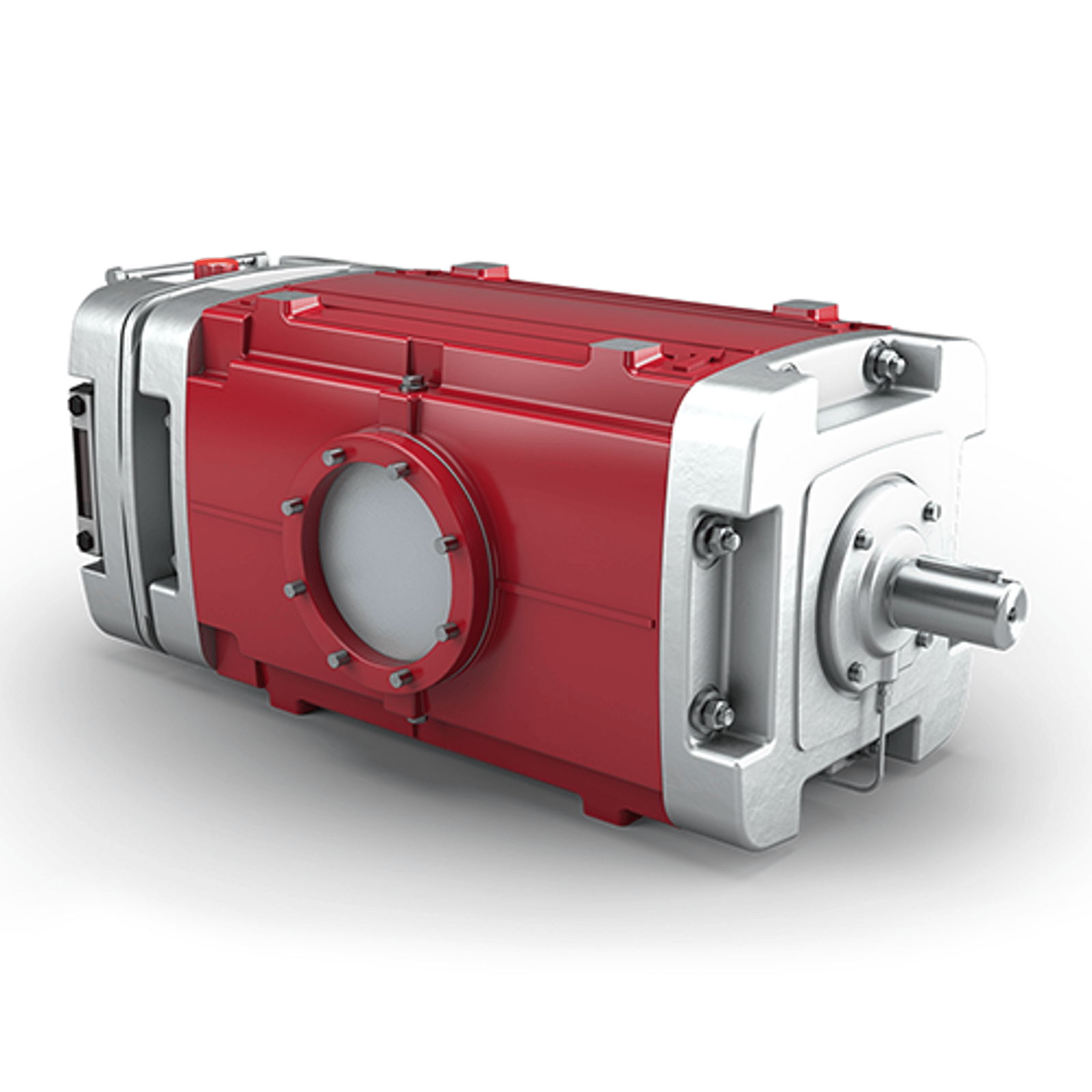
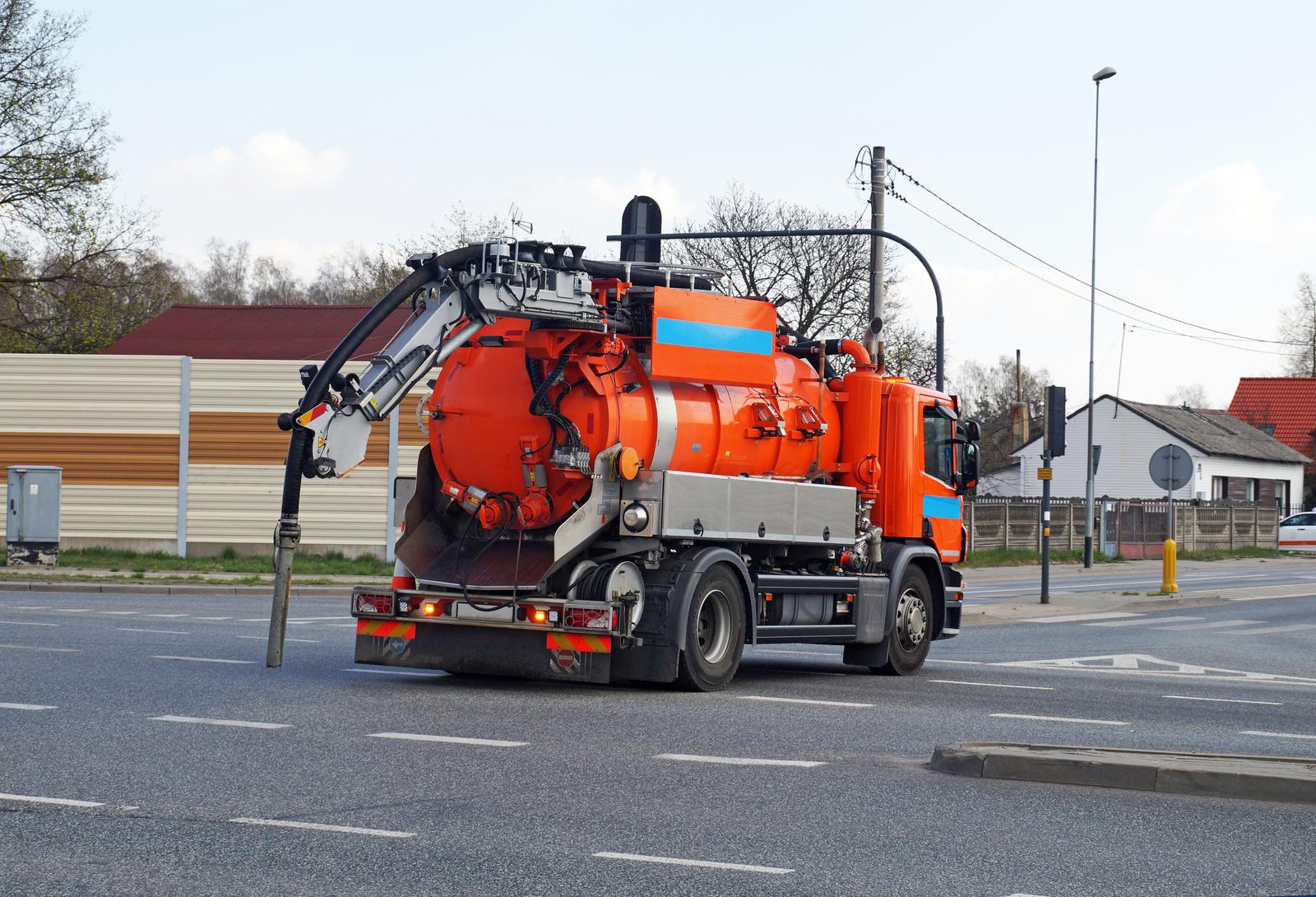
We offer three product ranges of air cooled, oil lubricated vacuum truck pumps, suitable for a variety of applications. With performance across the range to suit your requirements, our products are ideally suited for the collection and discharge of waste liquid by road tankers.
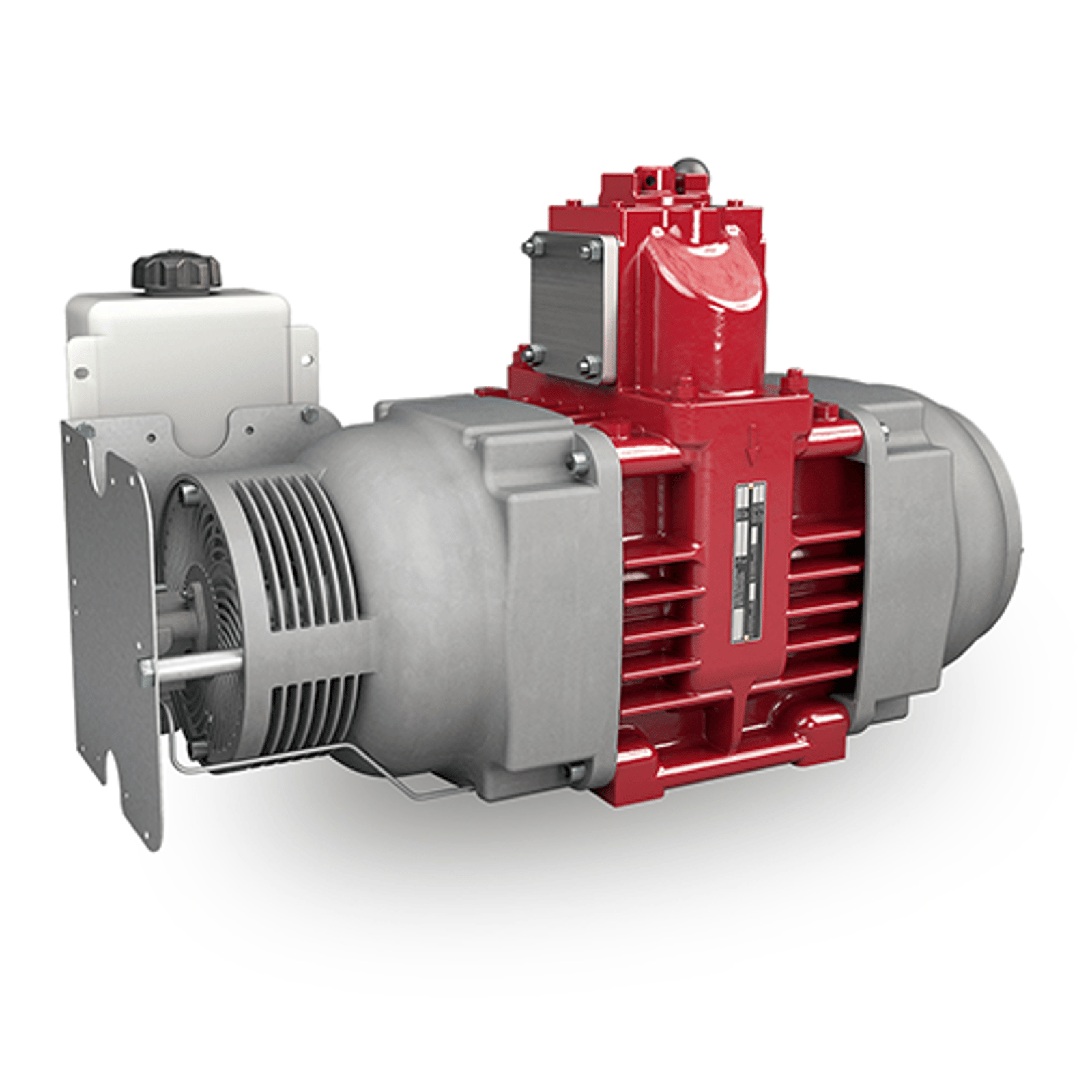
Available Models: WITTIG RFL102 and WITTIG SLS-54
All of our truck vacuum pumps are available with reverse flow valves, enabling our customers to use the pumps for both vacuum suction and pressure discharge. The lightweight RFL102 waste vacuum pump offers increased installation possibilities with the addition of a pump mounted reverse flow valve. This, along with our close mounted suction filter and externally mounted oil tank ensure both compact and low installation times.
Water Cooled Vane Truck Vacuum Pumps
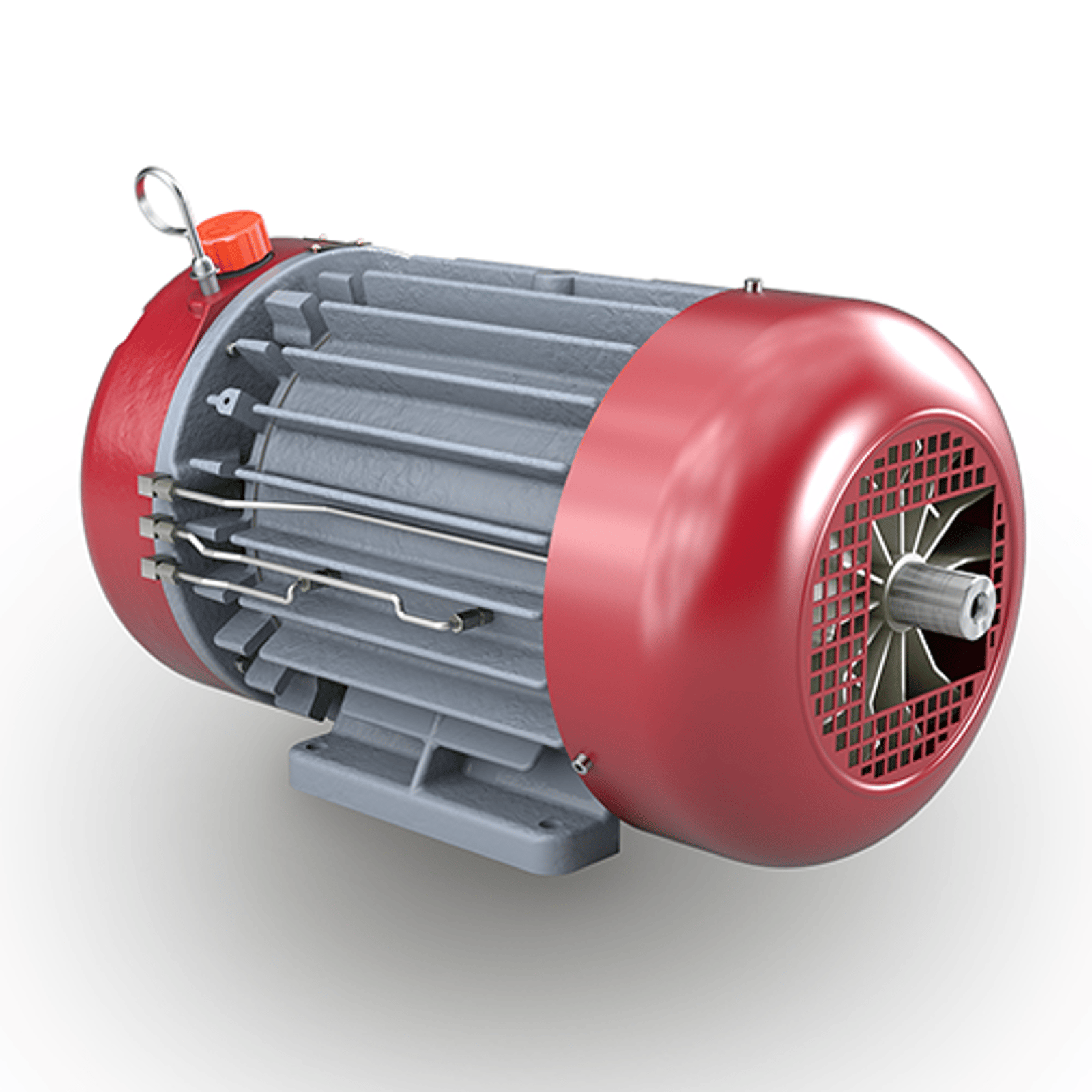
Our water cooled, oil lubricated truck vacuum pumps are designed for the loading and discharge of bulk liquids from waste vacuum applications and combination jetting/vacuum vehicles. We offer four models in the RFW range with air flow performance bands designed to suit your industry needs.
Available Models: WITTIG RFW Series
Our portfolio also includes a range of ancillaries which provide a complete vacuum pump system installation, alongside multiple drive options.
Liquid Ring Truck Vacuum Pumps
Gardner Denver Transport liquid ring vacuum pumps are designed for high-flow loading and discharge of bulk liquids from vacuum trucks and waste tankers. As liquid-sealed pumps, they use water or another compatible liquid to create a seal between the pump and the gas being moved. This design supports leak-resistant operation, reliable performance when handling moisture, and long service life in demanding liquid waste applications.
Vacuum truck pumps can be broadly divided into wet and dry designs. Wet pumps, including liquid ring models, use a liquid seal and are well suited to humid gas, liquid carryover, and bulk-liquid transfer. Dry-running pumps, such as rotary lobe blowers, operate without sealing liquid and are often preferred where the gas stream must remain free from oil or process liquid. Air-cooled, oil-lubricated rotary vane pumps provide a compact, versatile option for vacuum and pressure duties, but require suitable filtration and lubrication management.
Each pump type has different operating characteristics. Rotary vane pumps offer strong vacuum performance and reversible airflow for suction and discharge. Liquid ring pumps provide smooth, high-flow operation and tolerate wet conditions. Rotary lobe pumps deliver efficient, continuous airflow at high vacuum levels and are suitable for wet or dry waste, although they may require additional noise control. Selecting the right pump depends on the material handled, gas and liquid carryover, required flow rate, vacuum level, operating pressure, duty cycle, and vehicle installation.
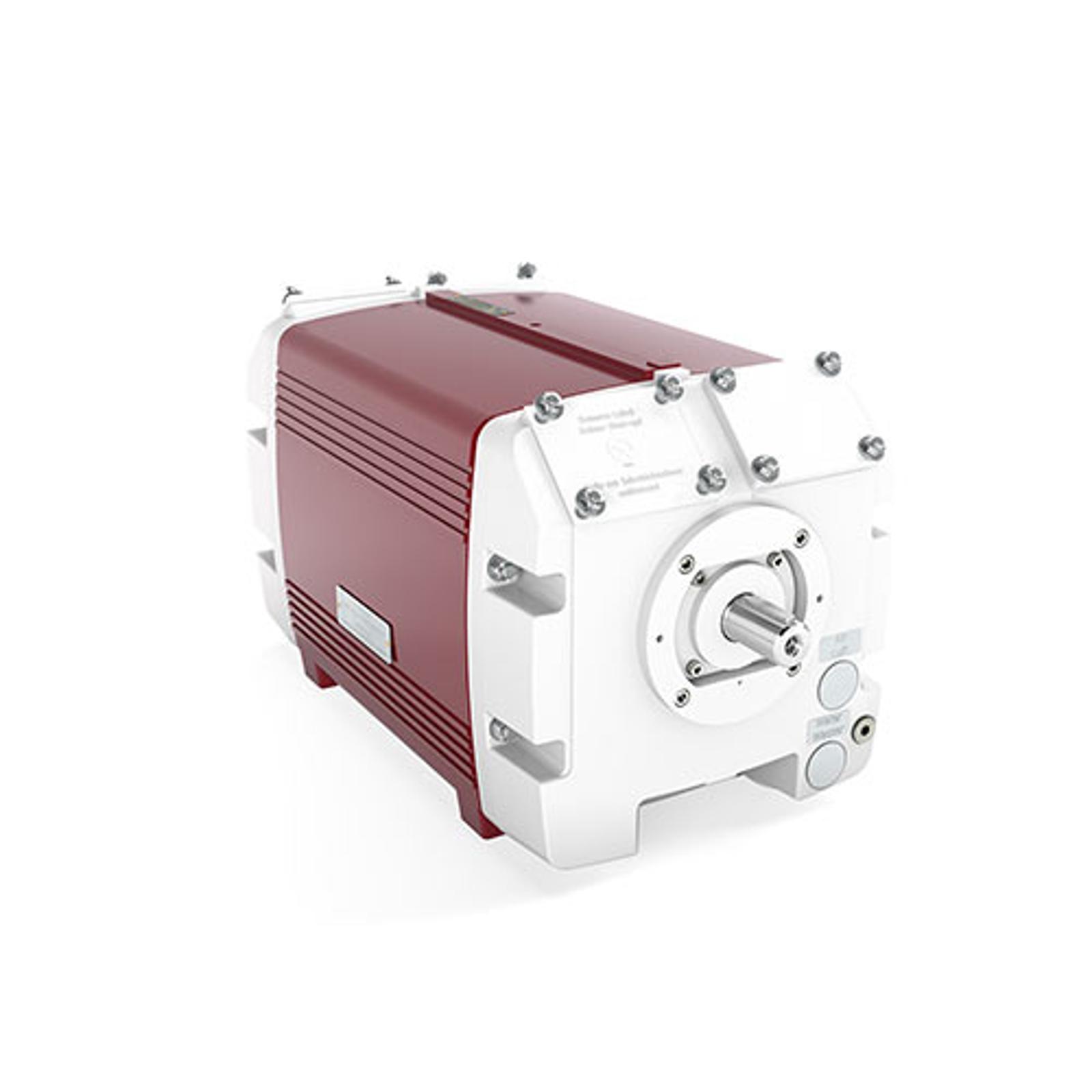
Available Models: Aqualine Series
Available in multiple performance levels, Aqualine liquid ring pumps provide the airflow and durability required for demanding liquid waste applications.
Rotary Lobe Truck Vacuum Pumps
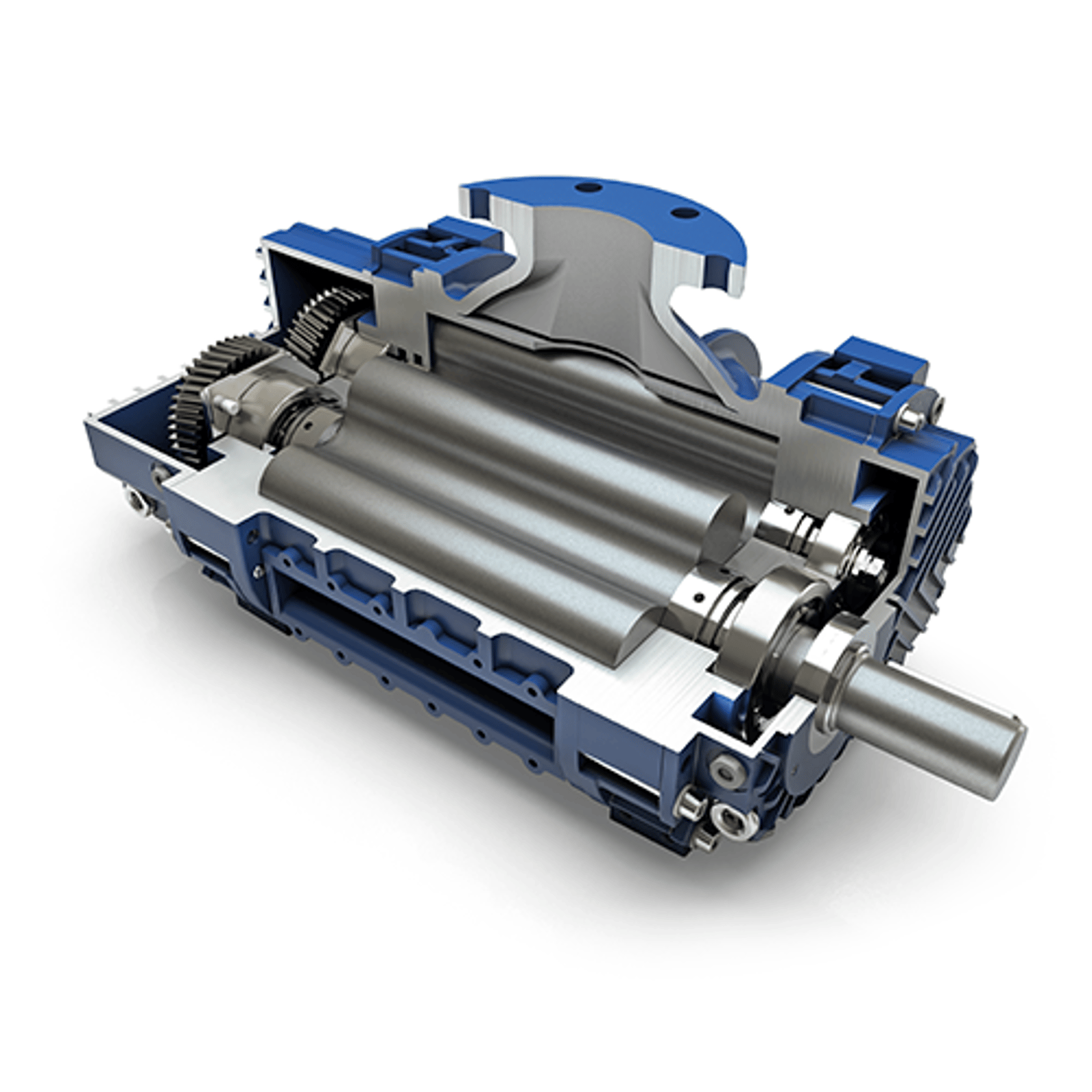
The Robuschi RB-DV rotary lobe vacuum blower operates at high vacuum levels, making it ideal for vacuum tankers handling both wet and dry waste products. ATEX versions are available on request, along with specially designed acoustic enclosures for noise-sensitive applications.
Available Models: RB-DV
These rotary lobe pumps provide efficient, reliable performance for demanding waste handling operations. Regular vacuum truck pump maintenance helps protect the pump and the wider system. Before each shift, inspect oil levels, lubrication lines, hoses, fittings, filters, valves, and drive components. Check for leaks, unusual noise, vibration, overheating, or reduced airflow. Confirm that the vacuum and pressure gauges reach the expected readings and that the reverse-flow valve operates correctly.
Common symptoms can indicate a blocked filter, restricted hose, worn lobes, incorrect lubrication, or a faulty valve. Low vacuum or slow tank filling may result from air leaks, clogged filters, or damaged seals. Reduced pressure during discharge can indicate a restriction, worn components, or a problem with the pressure relief system. Excessive noise, vibration, or heat requires the vacuum truck to be stopped and inspected before further use. Always isolate the pump, release system pressure, and follow the manufacturer’s service instructions before troubleshooting or carrying out repairs.