Products
Truck Mounted Compressors
Compressors for Electric Vehicles
Truck Mounted Blowers
Vacuum Pumps
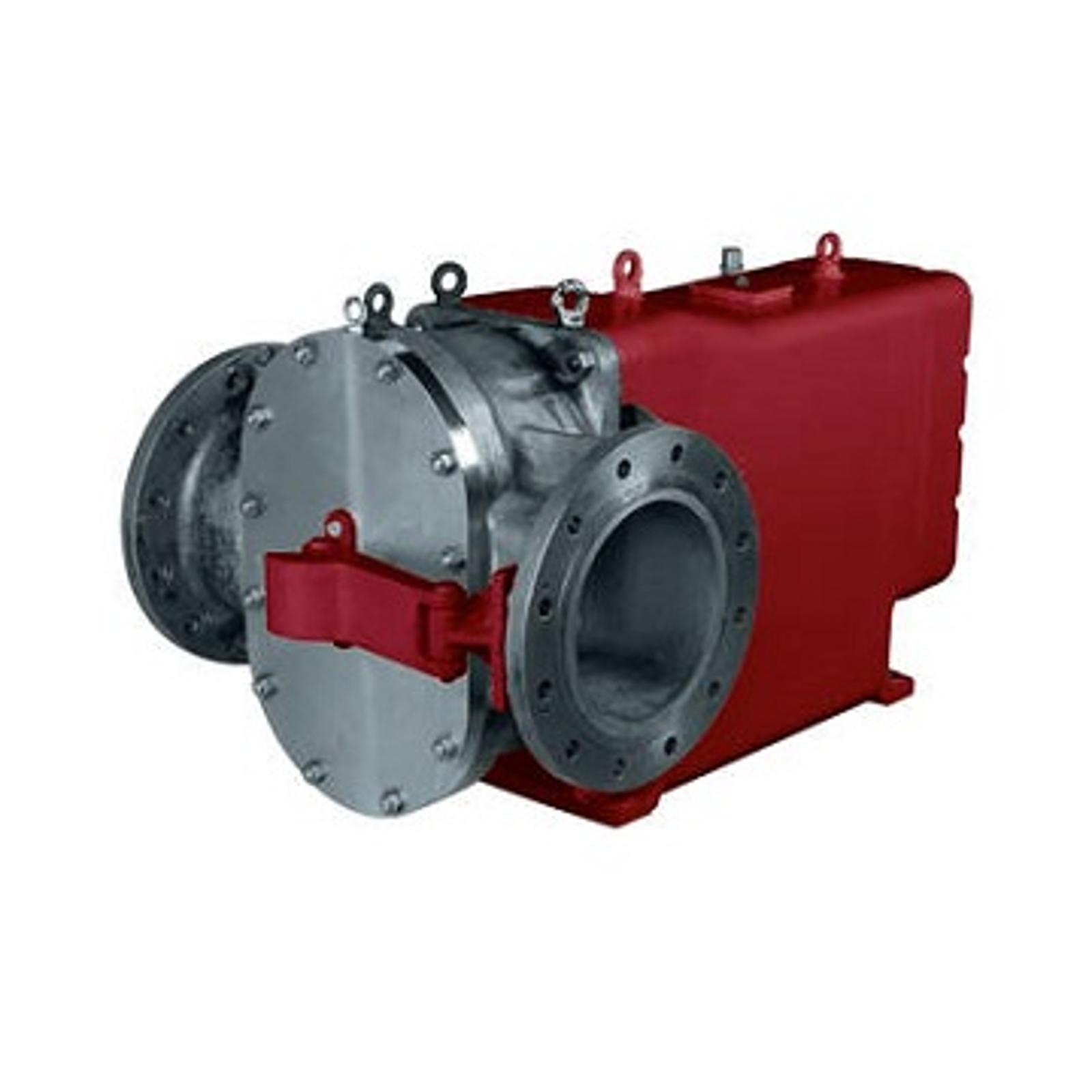
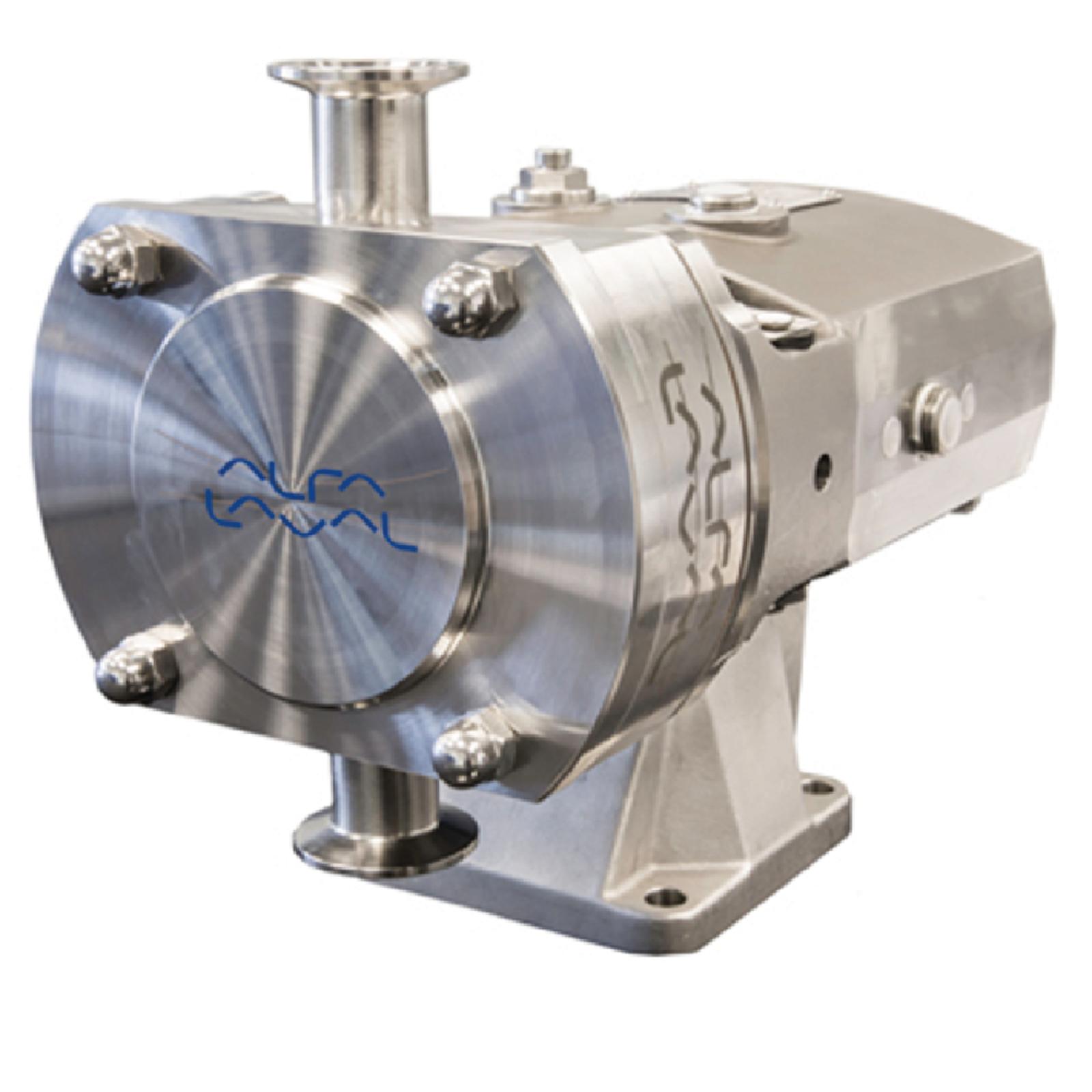
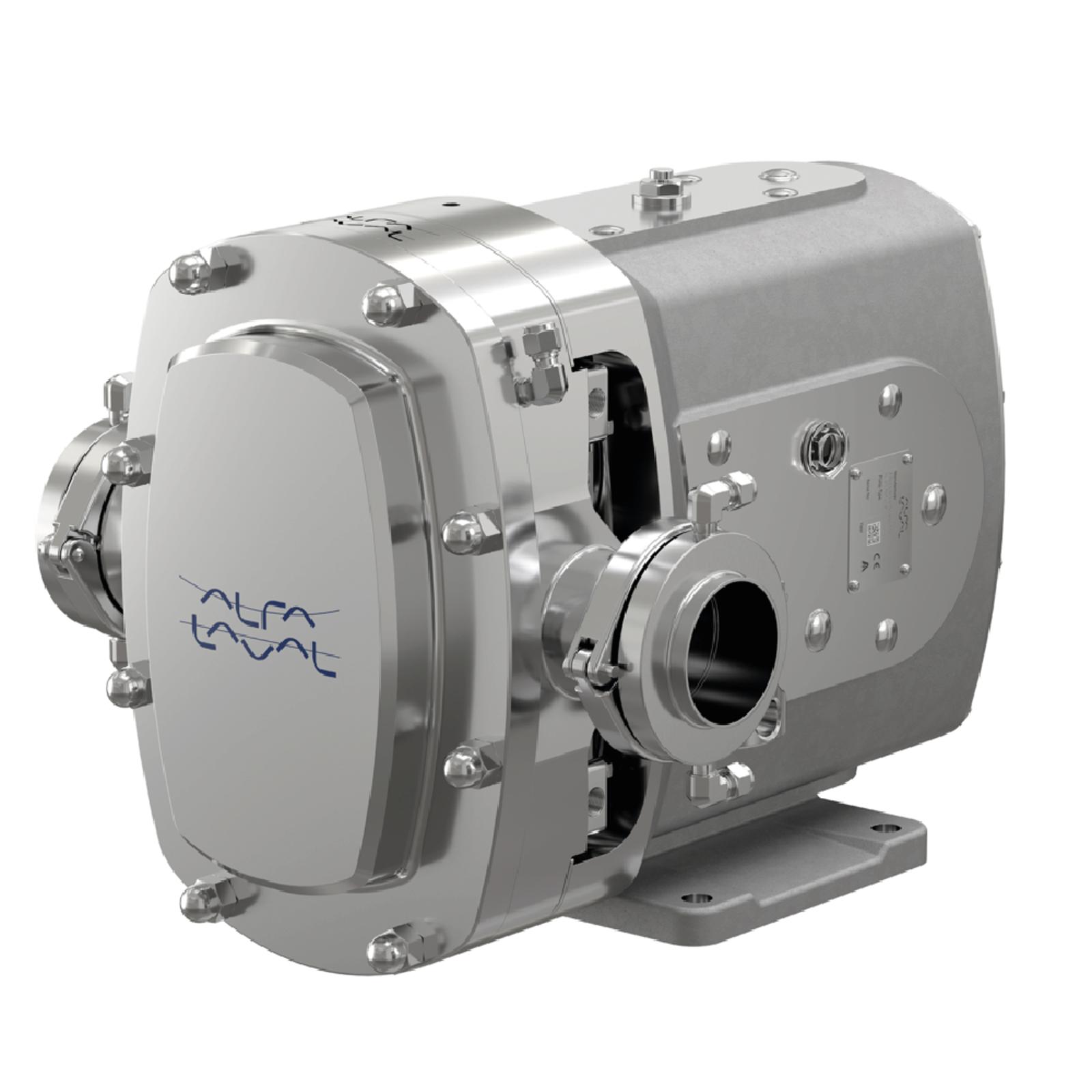
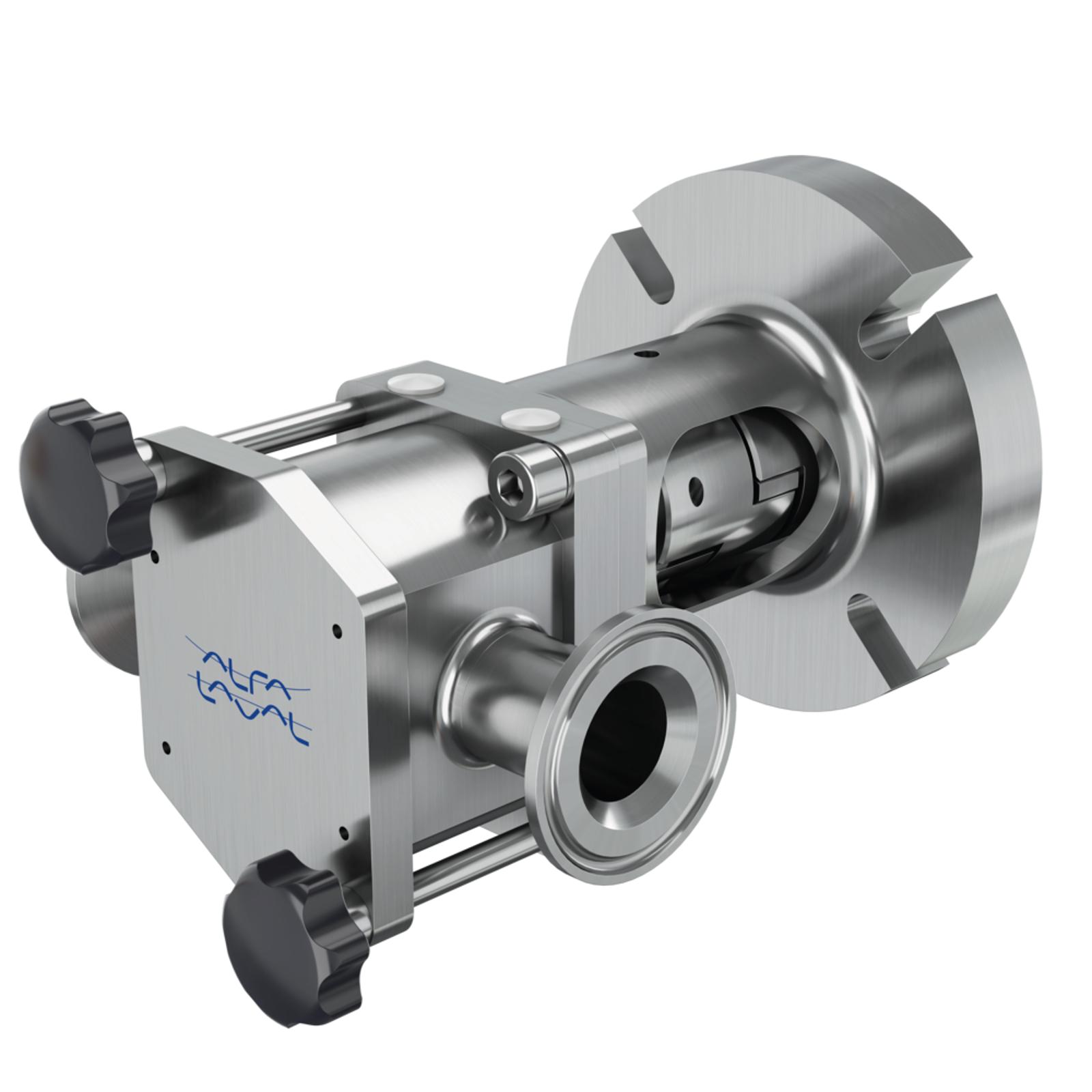
Liquid Transfer Pumps
Industrial Liquid Transfer Pumps
Hydraulic Oil Coolers
Systems & Packages
Ancillaries
Applications
Dry Bulk
Liquid Transfer
Liquified Gas Transfer
Highway & Utility Vehicles
eMobility
Hydraulics & Controls
Vacuum Truck Systems for Industrial, Municipal & Construction
Industries
ADR Truck Conversions
Animal Feed
Chemical
Construction Materials
Cryogenics
Fluid Transfer
Food and Beverage
OptiLoad Milk Systems
Mobile Tyre Service
Paper Industry
Pharmaceutical
Utility Vehicles
Walking Floor Trailer Systems
Waste Collection
Vehicle Maintenance Support
Service & Parts Protect - Maintenance & Asset Protection Solutions
Emobility Service Kits
Vehicle OBD Access & Maintenance Info
E-Mobility Business: European Service Network
Parts Protect for Hibon & Robuschi Transport
Knowledge Hub
Success Stories
Document Finder
Access Our Exclusive Webinar Library Anytime
About Us
News & Events
Our Global Locations
Discover Our Distributors
Product Selector
Document Finder
Our Brands
Compliance

Gardner Denver Transport Solutions supplies high-performance industrial liquid transfer pumps designed for applications where hygiene, accuracy, reliability, and process efficiency are critical.

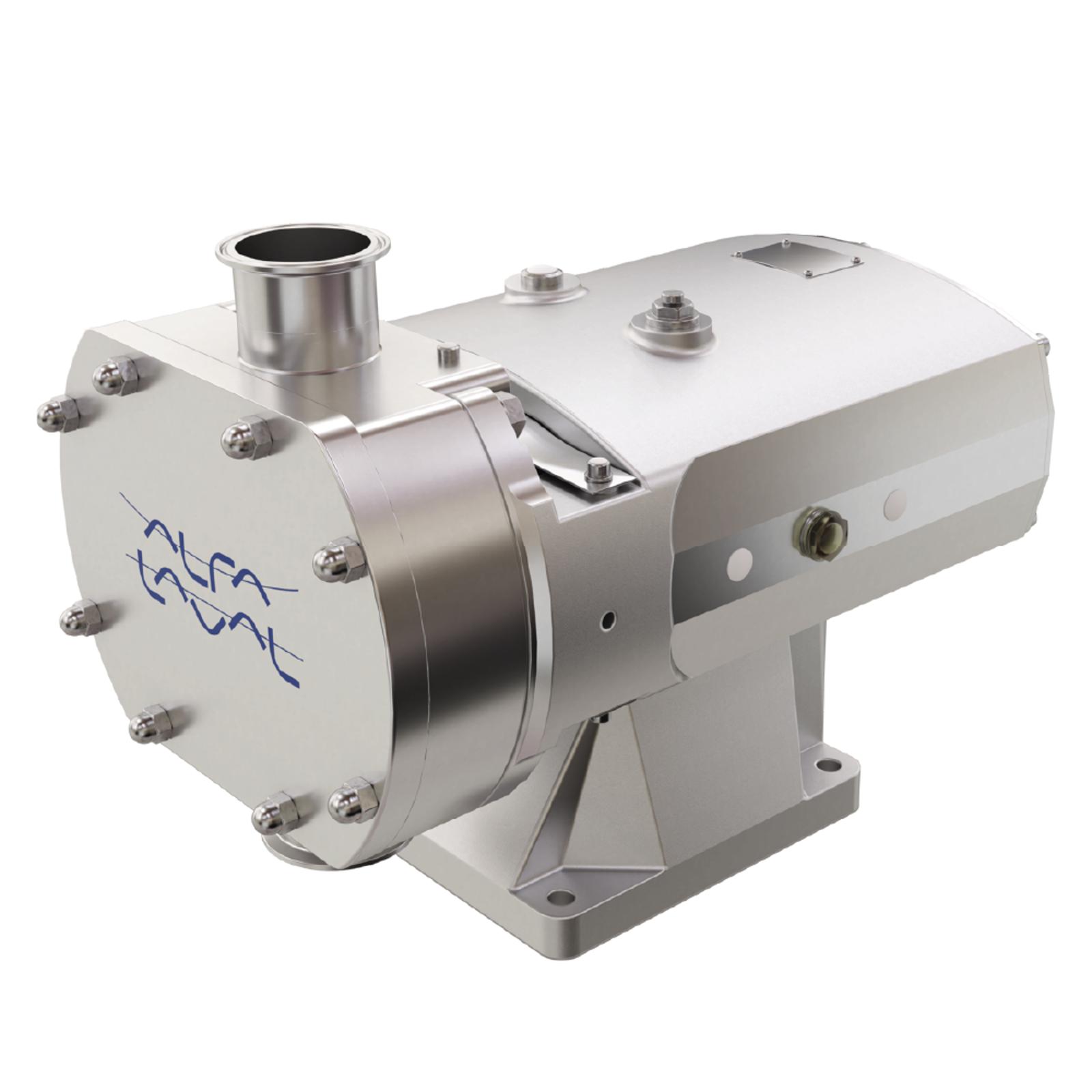
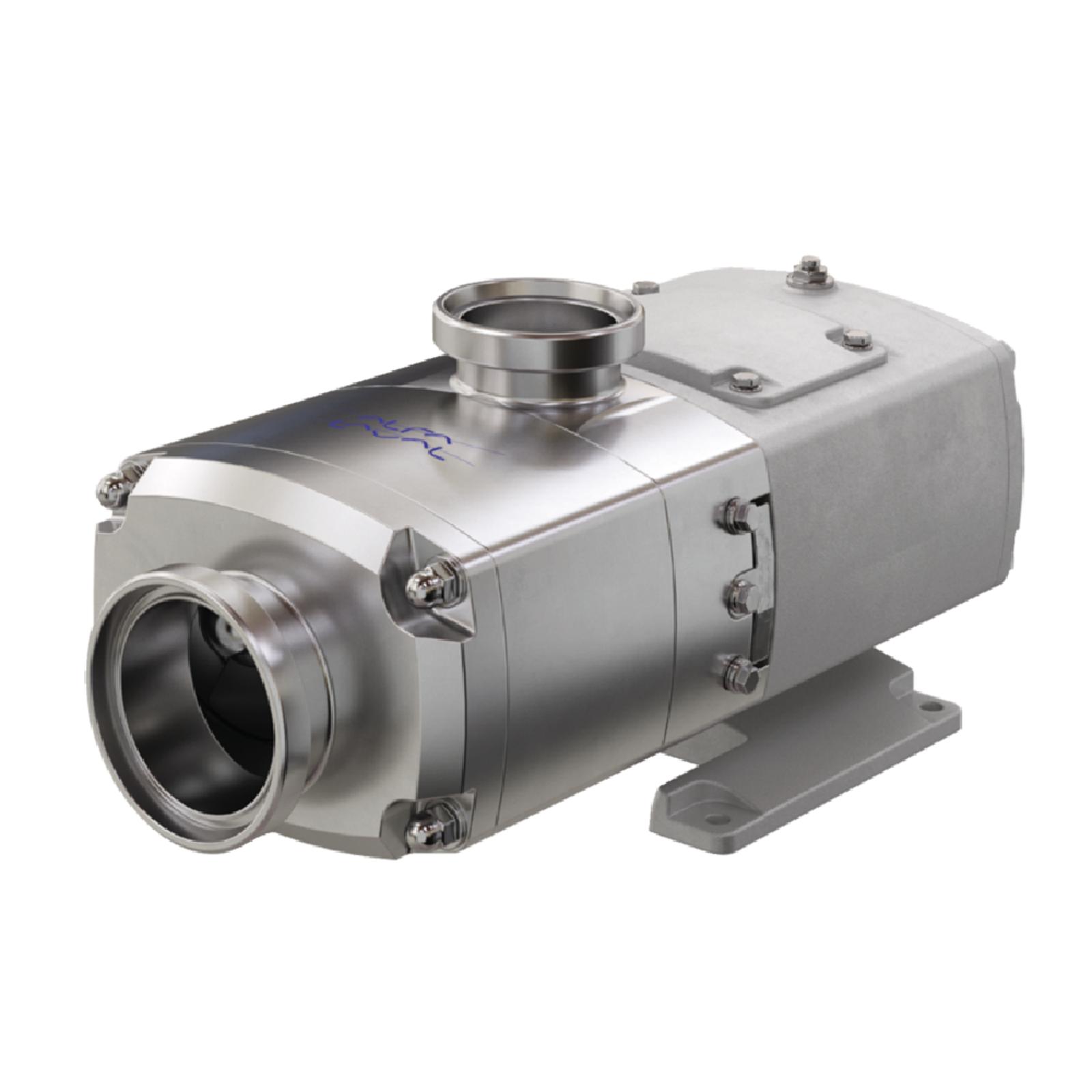
Our portfolio includes rotary lobe pumps, twin screw pumps, dosing pumps, and sanitary pumps suitable for food and beverage, pharmaceutical, cosmetics, chemical, and personal care industries.

Whether transferring low-viscosity liquids, sensitive products, viscous media, or CIP fluids, our industrial pump range delivers reliable performance while maintaining product integrity.

Choosing the Right Industrial Liquid Transfer Pump

What Is an Industrial Liquid Transfer Pump?

An industrial liquid transfer pump is designed to move liquids through production and processing systems while maintaining consistent flow, product quality, and operational efficiency.

Unlike general-purpose pumps, hygienic and sanitary pumps are engineered to support contamination control and consistent product quality — using food-grade materials such as stainless steel and other corrosion-resistant components. These hygienic pumps are built to withstand frequent cleaning cycles and help maintain safe, reliable operation in demanding production environments, including where food grade pumps are required.

  • Product integrity
  • Cleanability
  • Accurate flow control
  • Low-shear handling
  • Hygienic processing
  • CIP and SIP procedures (cleaning-in-place and steam-in-place)
  • Regulatory compliance

These hygienic pumps are the right choice whenever contamination prevention, consistent product quality, and reliable operation are critical — especially in food, beverage, pharmaceutical, and personal care processes. In contrast, standard centrifugal pumps are typically used for less sensitive, non-sanitary transfer duties where cleaning requirements and product integrity demands are lower.

Materials & Compliance Standards for Food-Grade Pumps

When you specify hygienic pumps for food and beverage, pharmaceutical, or personal care production, materials and compliance matter as much as pump performance. Food grade pumps are typically built with corrosion-resistant, cleanable components designed to support contamination control and consistent product quality.

Common material choices

Many  hygienic pump designs use stainless steel and other corrosion-resistant materials to help protect product contact surfaces and withstand frequent washdowns. The exact material selection depends on factors such as the fluid type, temperature, and cleaning chemistry used in your process.

Hygiene-focused design for compliance

Beyond material selection, food grade pumps are engineered for cleanability — supporting effective removal of residues during cleaning cycles. This includes design features that help reduce hard-to-clean areas and support reliable CIP (cleaning-in-place) and, where required, SIP (steam-in-place) operations.

Regulatory and industry expectations

Food-grade pump applications often align with recognized sanitation and hygiene expectations used across regulated industries. While requirements vary by product and region, choosing hygienic pumps that are designed for sanitation best practices helps support audit readiness and safer, more consistent production.

If you share your product, fluid characteristics, and cleaning method, we can help you select the right materials and hygienic pump configuration for your application.

Industries & Applications

Common Industrial Pump Applications

Our industrial pumps support a wide range of industries and processes.


Technologies & Product Range

Why Choose Rotary Lobe Pump Technology?

Rotary lobe pumps are widely used where product quality and gentle handling are essential.

How Rotary Lobe Pumps Work

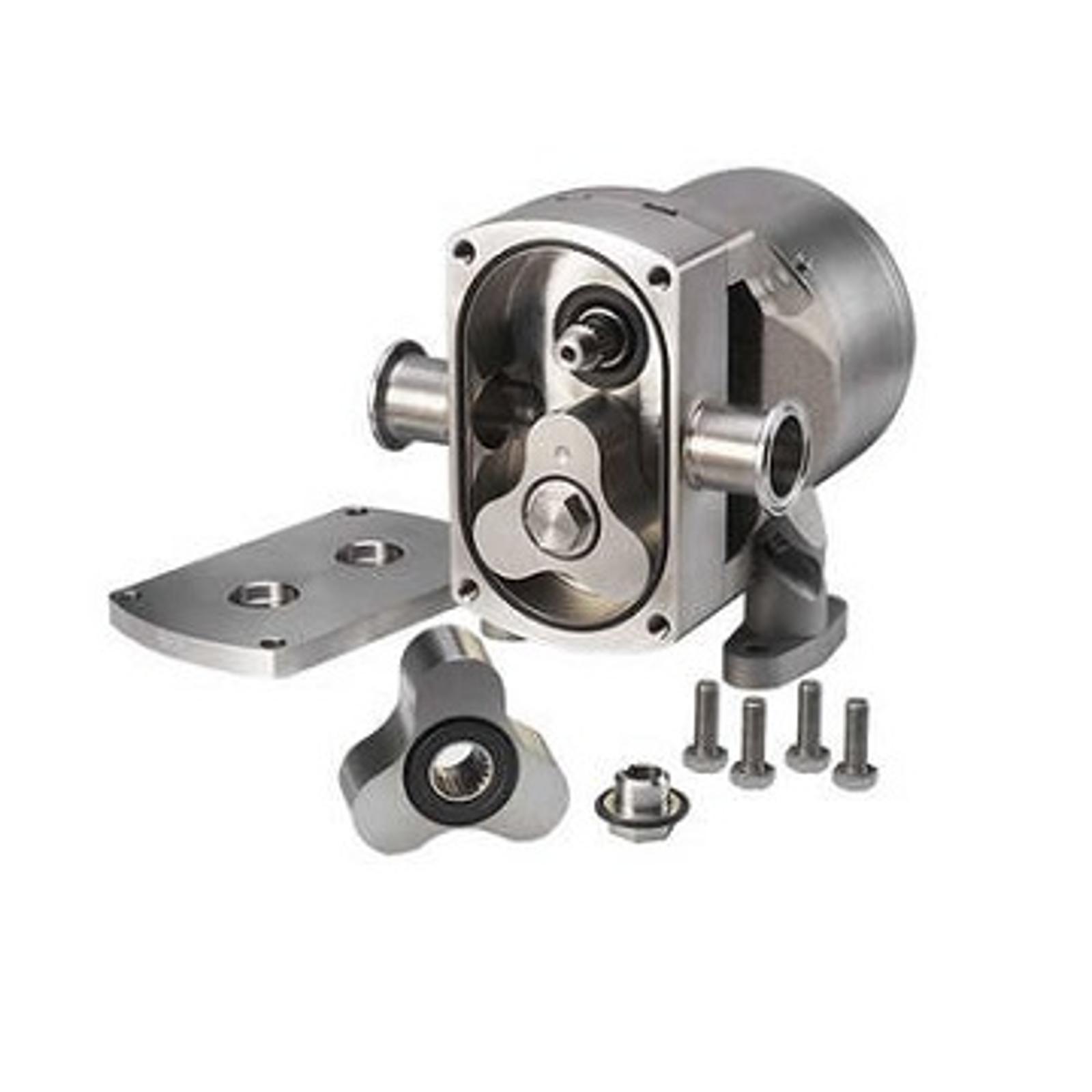
Rotary lobe pumps use synchronized rotating lobes to transfer liquid through the pump chamber without metal-to-metal contact.

This design delivers:

  • Gentle product handling
  • Low pulsation flow
  • Hygienic operation
  • Easy cleaning
  • Reliable performance
  • Wide viscosity handling capability

Benefits of Hygienic Rotary Lobe Pumps

  • Low shear product transfer
  • Hygienic stainless-steel construction
  • CIP compatibility
  • SIP compatibility
  • Easy maintenance
  • Excellent solids handling
  • Stable flow rates
  • Long service life

Explore Our Industrial Pump Range

Whether you need hygienic transfer, dosing accuracy, low-shear handling, or multi-purpose process flexibility, Gardner Denver offers a solution tailored to your operation.

Frequently Asked Questions

A hygienic pump is designed for applications where cleanliness, sanitation, and contamination prevention are essential.

A food-grade pump is a hygienic pump designed for use in food and beverage production where sanitation, contamination control, and consistent product quality are required. In practice, food grade pumps are built to support safe transfer of food-contact liquids and to perform reliably through routine cleaning cycles.

What makes a pump food-grade comes down to the materials, design, and cleaning performance that support hygienic pumps expectations. Common criteria include:

  • Food-contact materials
  • Cleanability
  • Compatibility with 
  • Hygienic design that supports contamination control and consistent process results

When you specify pumps food for your application, these factors help ensure the pump supports safe, repeatable production — not just basic liquid transfer.

Not necessarily. While hygienic pumps are engineered for sanitation and contamination prevention, “food-grade” is a specific designation tied to food-contact requirements and the level of compliance expected for food and beverage use. Some hygienic pumps may be suitable for multiple regulated industries, but the exact suitability depends on the pump’s materials, surface finish, and cleaning/validation approach for your specific process.

If you’re unsure whether your application needs food grade pumps, share your product type, operating conditions, and cleaning method — so we can help confirm the right configuration for your compliance needs.