Products
Truck Mounted Compressors
Compressors for Electric Vehicles
Truck Mounted Blowers
Vacuum Pumps
Liquid Transfer Pumps
Hydraulic Oil Coolers
Systems & Packages
Ancillaries
Applications
Dry Bulk
Liquid Transfer
Liquified Gas Transfer
Highway & Utility Vehicles
eMobility
Hydraulics & Controls
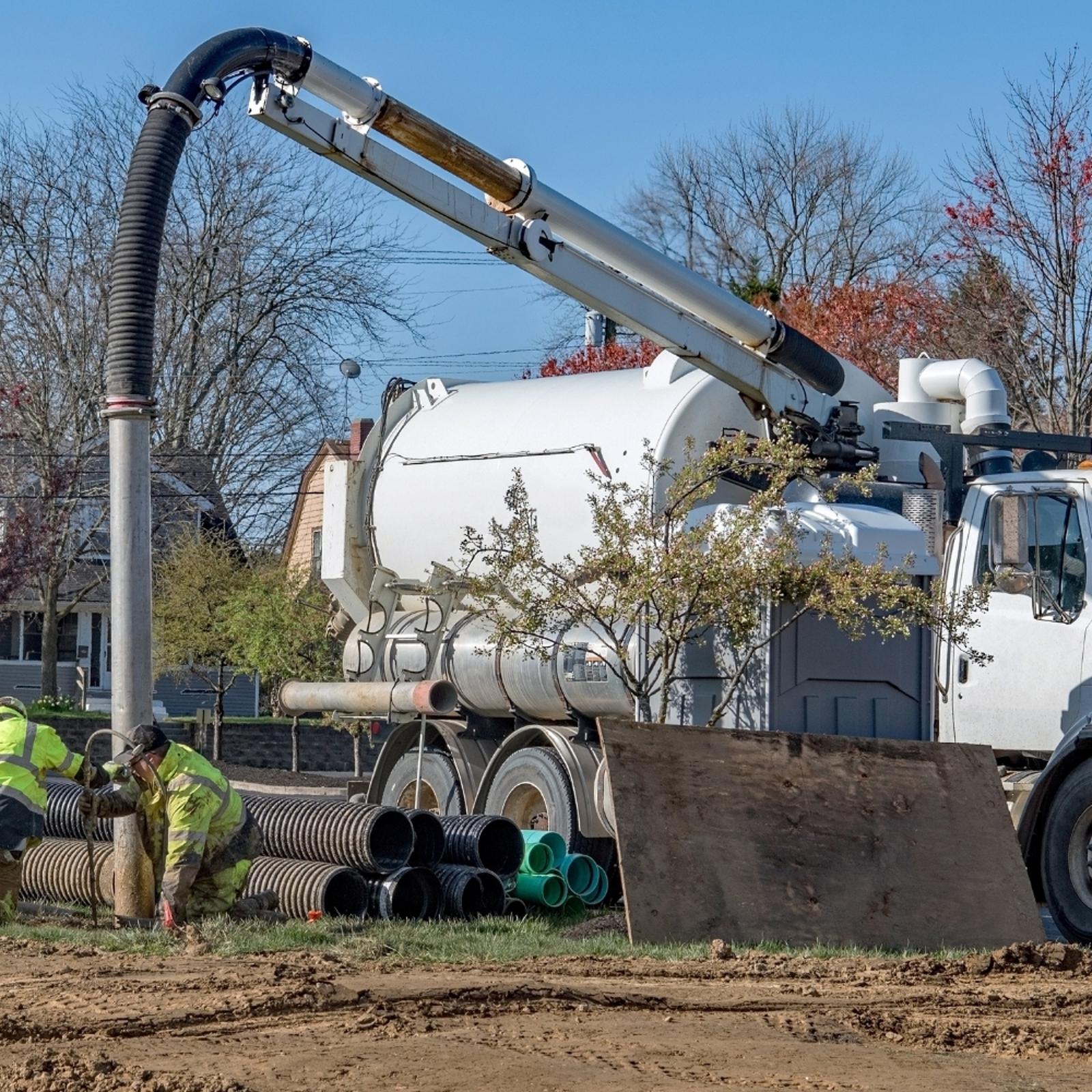
Vacuum Truck Systems for Industrial, Municipal & Construction
Industries
ADR Truck Conversions
Animal Feed
Chemical
Construction Materials
Cryogenics
Fluid Transfer
Food and Beverage
OptiLoad Milk Systems
Mobile Tyre Service
Paper Industry
Pharmaceutical
Utility Vehicles
Walking Floor Trailer Systems
Waste Collection
Vehicle Maintenance Support
Service & Parts Protect - Maintenance & Asset Protection Solutions
Service Kits
Emobility Service Kits
Vehicle OBD Access & Maintenance Info
E-Mobility Business: European Service Network
Parts Protect for Hibon & Robuschi Transport
Knowledge Hub
Success Stories
Document Finder
Access Our Exclusive Webinar Library Anytime
About Us
News & Events
Our Global Locations
Discover Our Distributors
Product Selector
Document Finder
Our Brands
Compliance

High-performance systems engineered for industrial, municipal, environmental, and construction applications, including wastewater and water transfer needs. Support options also extend to water transfer and Water Pump accessories used alongside vacuum equipment in municipal and industrial settings.

Features That Drive Results for Vacuum, Pressure, and Water Handling

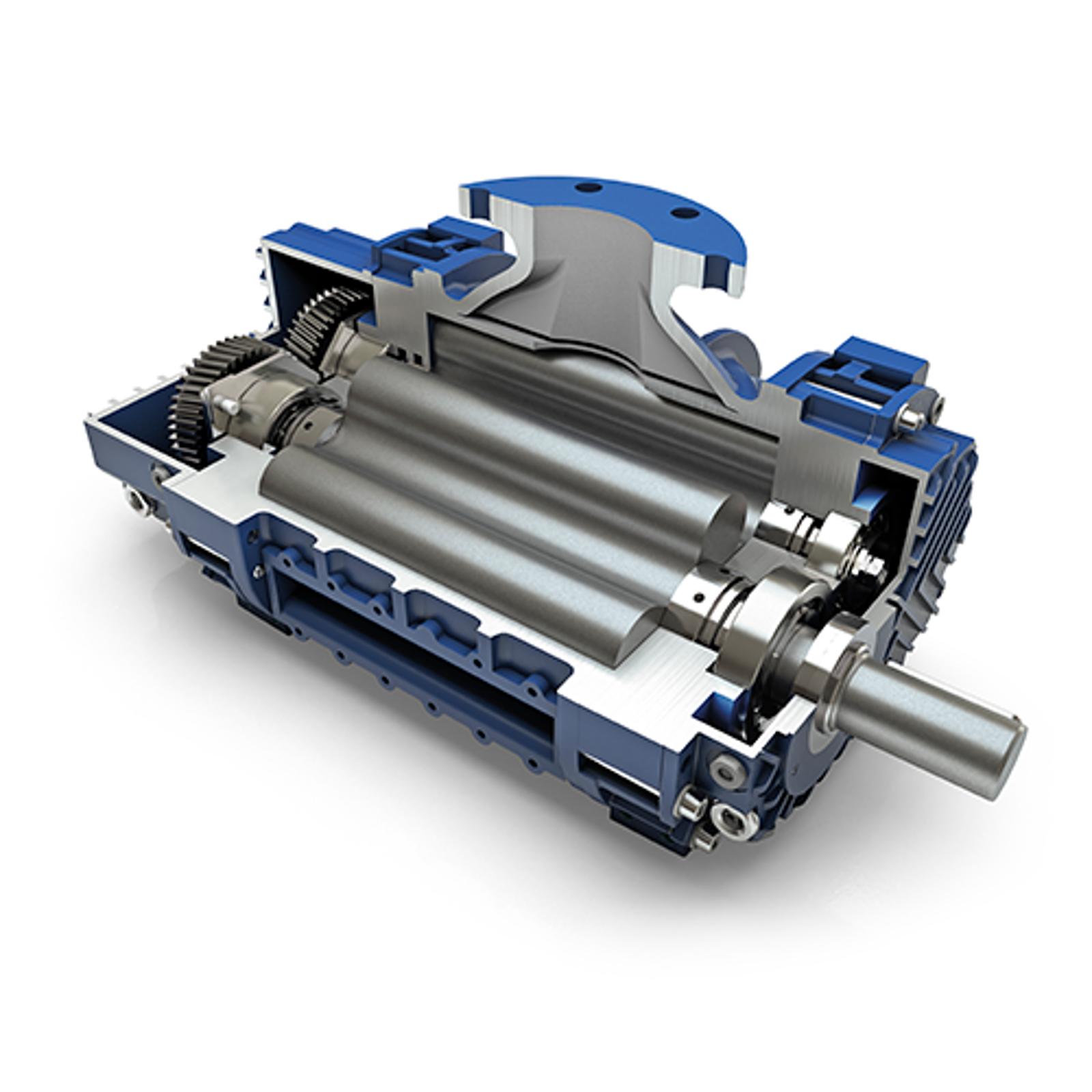
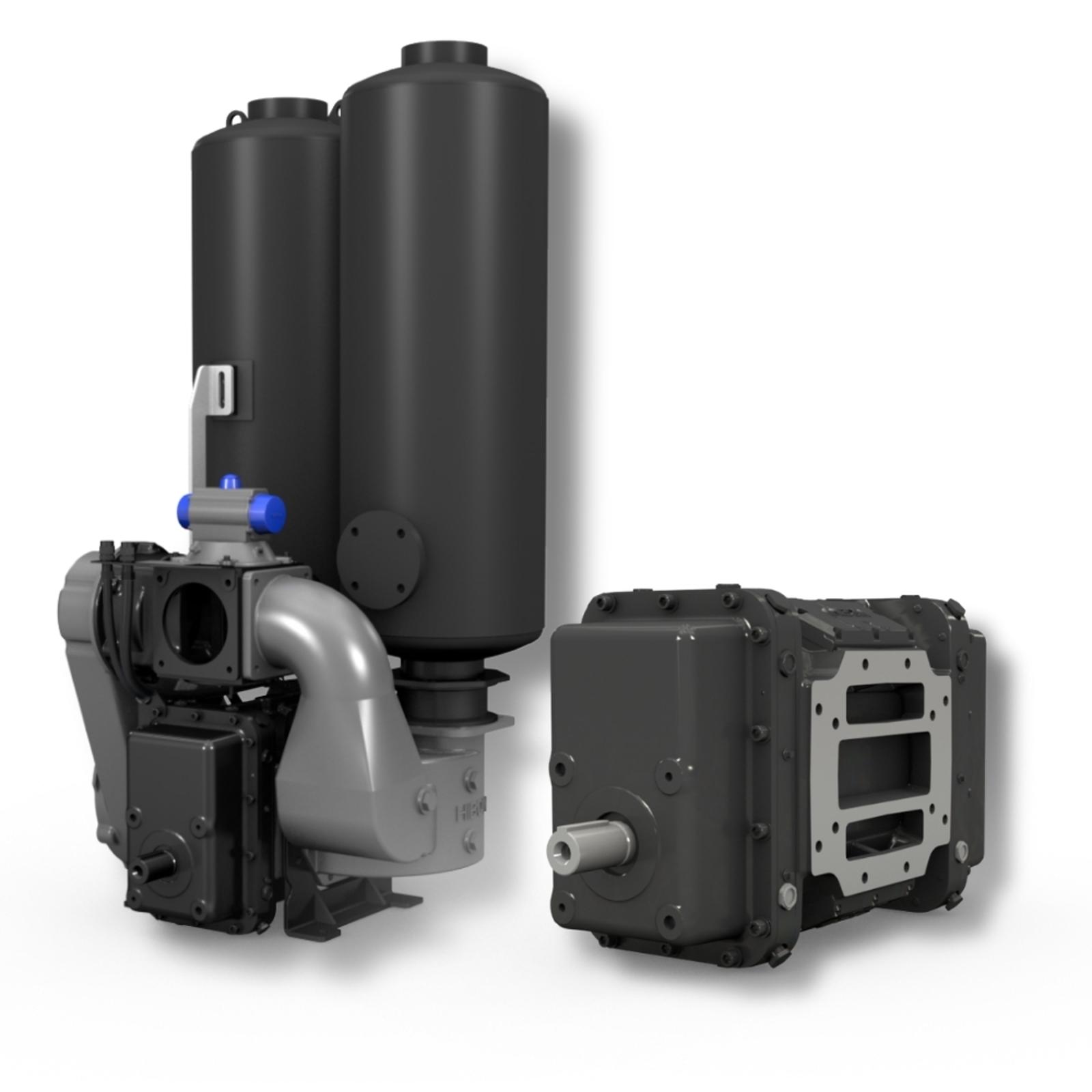
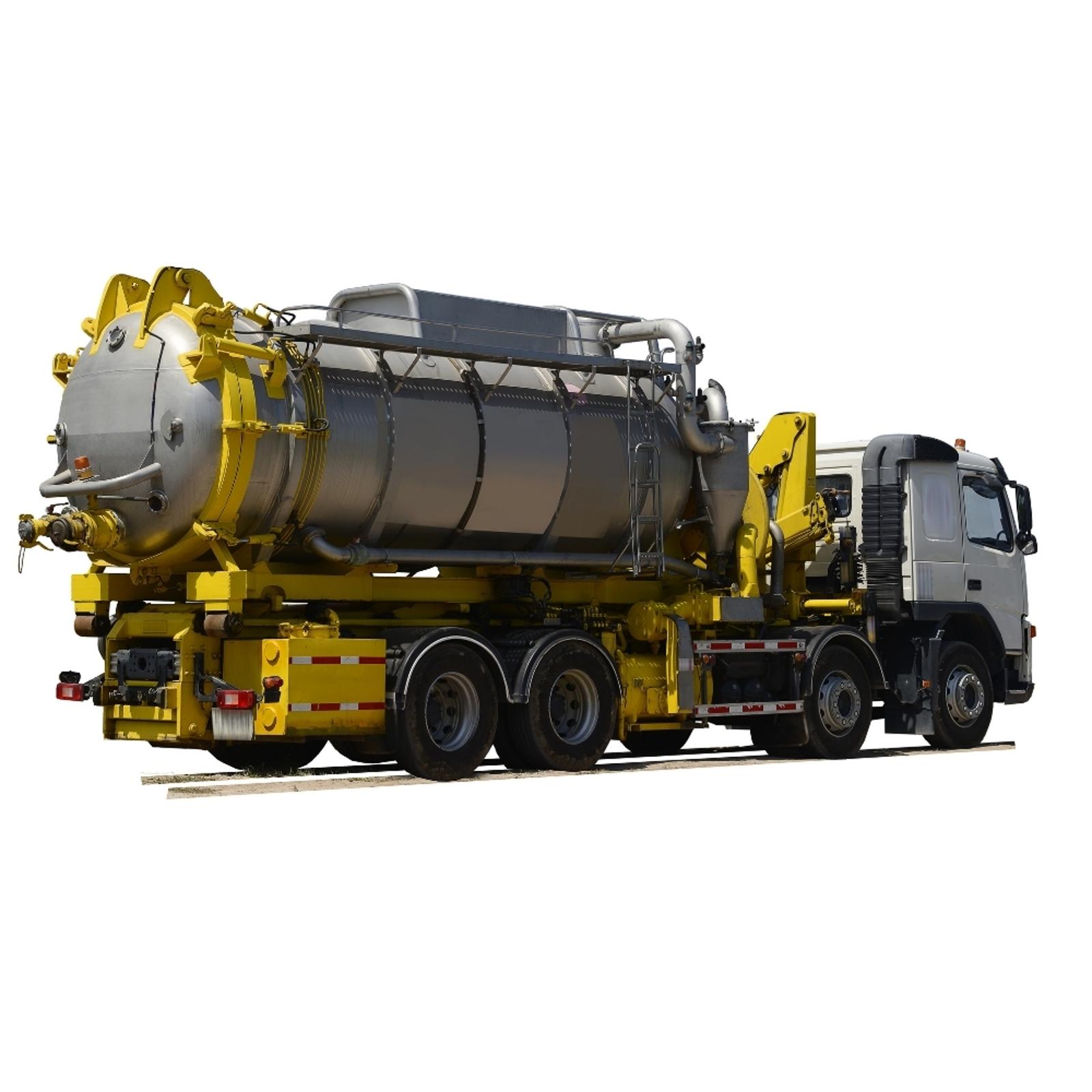
Gardner Denver Transport Solutions offers a wide range of vacuum truck system types built for efficiency, including high-performance rotary vane pumps, blowers, liquid ring pumps, and supporting Water Pump options for water transfer where needed. Each Product is engineered to deliver reliable vacuum generation, efficient material transfer, controlled pressure, and long service life.

A Vacuum Pump creates suction by removing Air and gases from a sealed system. In vacuum truck applications, the vacuum pump is the core component responsible for collecting, transferring, and discharging liquids, sludge, powders, dust, and industrial waste.

These vacuum pumps for trucks are designed to deliver consistent vacuum levels, reliable pressure control, and efficient operation across a wide range of industrial and municipal environments, with Automatic controls available where specified. Where sites also require water movement, pairing a Vacuum Pump with a Water Pump can help manage both suction and water pressure needs without overloading one system.

Before choosing equipment, it helps to understand the difference between a Vacuum Pump and a Water Pump. A vacuum pump creates suction by lowering pressure inside a sealed system, which helps draw in air, gases, and — on vacuum truck systems — liquids, sludge, and other materials. A Water Pump (or water pump system) generates pressure to push water and other fluids through hoses, pipelines, and transfer lines, based on required head and flow rate. In short: vacuum pumps are built for suction and material collection/transfer, while Water Pump systems are built for pressurized water movement and water pressure control. Knowing which function you need helps you select the right pump technology for wastewater, industrial, municipal, and water transfer applications. For some operations, a self priming Water Pump is used to maintain water supply to wash-down tools, a tank, or a garden hose connection, while the vacuum pump focuses on collection.

Selecting the appropriate vacuum pump technology helps maximize efficiency, productivity, and operational reliability while supporting demanding wastewater and industrial applications.

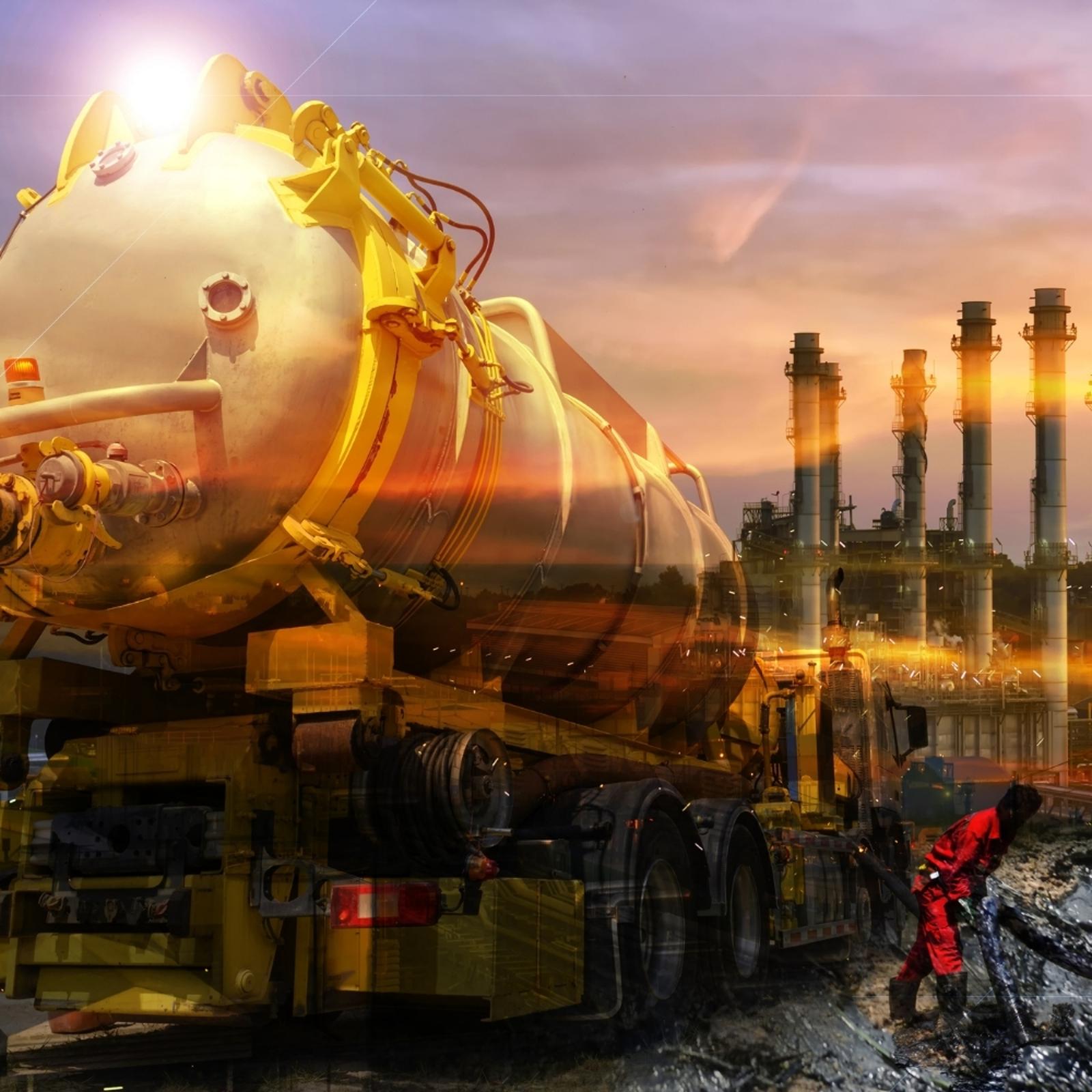
Gardner Denver Transport Solutions' vacuum truck pumps solve real-world challenges faced by operators across wastewater management, industrial processing, environmental remediation, and construction projects.
Designed for Your Industry

Wastewater Infrastructure Applications

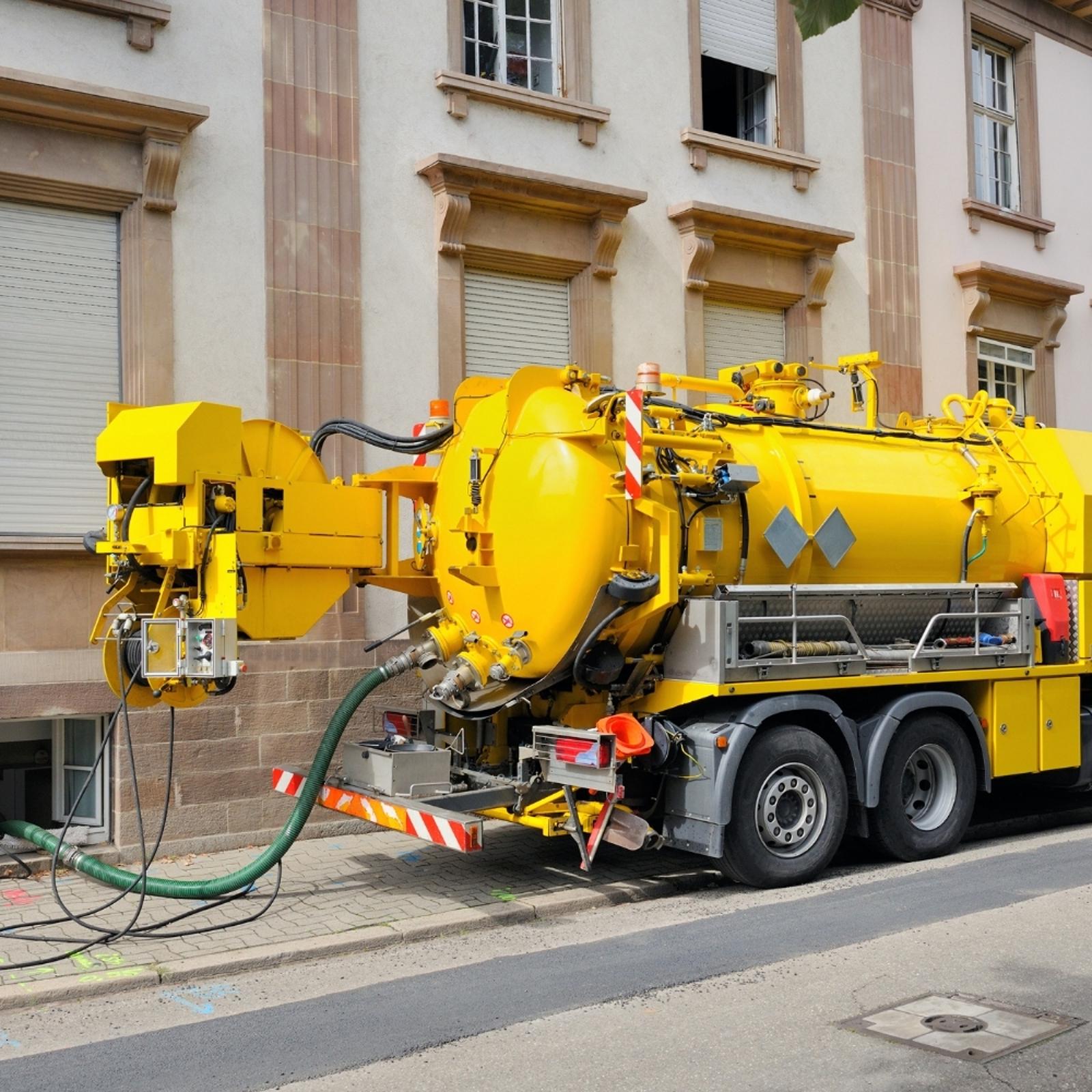
On jobs that combine wastewater recovery and water transfer, operators often specify both vacuum capacity and Water Pump performance by head, flow rate, and water pressure. Vacuum truck systems are widely used for wastewater collection, sewer cleaning, sludge removal, drainage maintenance, pumping station servicing, water transfer, and environmental remediation.

Their powerful vacuum capabilities enable efficient removal of liquids, sediments, debris, and industrial waste from municipal and industrial infrastructure while helping operators reduce downtime and improve productivity, including when water must be moved from a tank or chamber.

How Do You Choose the Right Pump for Your Application?

Choosing the right pump depends on your operating conditions, material characteristics, and performance requirements.

When evaluating pump technology, consider:

  • Whether you need a vacuum pump or a water pump
  • Required flow rate and operating pressure
  • Material characteristics, including solids content and viscosity
  • Operating temperature and environmental conditions
  • Noise limitations
  • Installation space available on the vehicle
  • Maintenance requirements
  • Hazardous-area requirements such as ATEX certification

Matching the pump to the application helps maximize efficiency, reliability, and long-term performance.


Key Vacuum Truck Pump Specifications and related water handling

Important performance factors include flow rate, vacuum level, operating pressure, motor power, cooling method, installation footprint, and maintenance requirements; for Water Pump duties, head and water pressure also matter. For water movement tasks, Water Pump specifications typically include head, flow rate (l h), water pressure, power supply (mains, 230V), and whether the unit is self priming.

Selecting the right configuration helps ensure maximum productivity, lower operating costs, and dependable operation.


What Are Common Signs a Pump Is Failing?

Early detection of vacuum pump issues helps prevent downtime, costly repairs, and reduced performance; similar vigilance applies to Water Pump operation where water movement is critical.

Common signs include:

  • Reduced vacuum performance
  • Loss of pressure
  • Excessive vibration
  • Unusual operating noise
  • Air leaks
  • Overheating
  • Frequent cycling
  • Reduced airflow
  • Increased power consumption
  • Visible wear or leakage

Regular maintenance and inspection help restore performance and extend equipment life. For Dirty Water service, check the chamber for buildup, verify Float travel, and confirm the Float Switch cuts in and out cleanly to prevent low water conditions that can harm the motor.

Efficient Handling of Tough Materials

Whether you're managing wastewater infrastructure, industrial cleaning, environmental remediation, or bulk material transfer, our solutions provide reliable performance, efficient material collection, and dependable operation in demanding conditions. Our vacuum truck systems achieve highvacuum performance and efficiently handle dense, heavy, or difficult materials such as:

automotive vacuum pump

Sludge

Industrial waste

Industrial Waste

powders

Powders

dust

Dust

Wet Waste

Wet Waste

Contaminated materials

Contaminated Materials

What Can We Support With

Reduced Operational Costs

Oil-free blower and liquid ring pump technologies help reduce maintenance requirements and operating costs.

Compliance with Noise Regulations

Optional silencers help reduce sound levels and improve operator comfort.

Space-Saving Installation

Compact Product designs maximize vehicle space without compromising performance, leaving room for a tank or Water Pump when the job requires water transfer.

Pump Reliability and Performance (vacuum, water, and pressure)

Reliable vacuum generation helps maintain productivity while minimizing downtime and maintenance costs, and stable water pressure supports consistent water transfer when a Water Pump is used.

Safe Operation in Hazardous Environments

ATEX-rated options and liquid ring pumps support safe operation in hazardous applications. Where flammable vapors may be present, confirm that gas handling requirements and any ATEX needs are addressed for the full system, including any Water Pump used for water transfer.


Discover Our Solutions

Frequently Asked Questions

An automotive vacuum pump creates vacuum pressure for vehicle systems that need suction or reduced pressure. It often uses automatic control. In many vehicles, it supports braking and other engine functions. It supplies vacuum to parts like brake boosters and vacuum valves. Some systems also use an Automatic Switch strategy. In practice, the pump draws Air out of a sealed vacuum line to maintain the vacuum level needed for consistent system performance. This vacuum generation can be Automatic in some vehicle control strategies, helping stabilize pressure under changing load. When vacuum pressure drops, brake assist and other vacuum-based functions may feel weaker or less responsive. This makes vacuum pump performance and maintenance important for reliable operation.

Vacuum truck pumps are another group. Automotive units are designed for compact, vehicle-mounted vacuum generation, while vacuum truck pumps are built for high-duty material collection and transfer in wastewater, industrial, and municipal environments where water and Dirty Water are common.

For operators evaluating vacuum pump solutions, the key takeaway is that vacuum performance depends on the pump technology, operating conditions, and the vacuum level required by the system, with Automatic control options on some packages. Matching the pump to the duty cycle and performance objectives helps support dependable results and consistent Delivery.

A vacuum pump creates suction by removing air or gases from a sealed space, which lowers pressure and helps draw material into the system. In vacuum truck applications, that suction is what enables efficient collection, transfer, and discharge of wastewater, sludge, water, dust, powders, and other industrial waste. In a car, a vacuum pump serves a different purpose: it supplies vacuum pressure to vehicle systems that need suction or pressure reduction — most notably braking assist components such as vacuum-operated brake boosters and related vacuum-controlled valves, often managed by an Automatic Switch. When vacuum pressure drops, braking performance can feel weaker or less responsive, which is why vacuum pump performance and maintenance matter for reliable operation.