
Products
Truck Mounted Compressors
Compressors for Electric Vehicles
Truck Mounted Blowers
Vacuum Pumps
Liquid Transfer Pumps
Hydraulic Oil Coolers
Systems & Packages
Ancillaries
Applications
Dry Bulk
Liquid Transfer
Liquified Gas Transfer
Highway & Utility Vehicles
eMobility
Hydraulics & Controls
Vacuum Truck Systems for Industrial, Municipal & Construction
Industries
ADR Truck Conversions
Animal Feed
Chemical
Construction Materials
Cryogenics
Fluid Transfer
Food and Beverage
OptiLoad Milk Systems
Mobile Tyre Service
Paper Industry
Pharmaceutical
Utility Vehicles
Walking Floor Trailer Systems
Waste Collection
Vehicle Maintenance Support
Service & Parts Protect - Maintenance & Asset Protection Solutions
Service Kits
Emobility Service Kits
Vehicle OBD Access & Maintenance Info
E-Mobility Business: European Service Network
Parts Protect for Hibon & Robuschi Transport
Knowledge Hub
Success Stories
Document Finder
Access Our Exclusive Webinar Library Anytime
About Us
News & Events
Our Global Locations
Discover Our Distributors
Product Selector
Document Finder
Our Brands
Compliance

Our high capacity helical screw truck mounted blowers allow for the discharge of a wide range of products, so whatever your industry, Gardner Denver Transport Solutions have the capability to meet your requirements.

Before you choose a model, it helps to understand the terminology. A dry bulk blower is a type of blower used in pneumatic conveying systems to move and discharge dry, free-flowing materials — such as pellets, powders, and granular products — using controlled airflow. In these systems, the blower generates the pressure and airflow needed to transport material through hoses or piping and deliver it at the right rate for efficient unloading.

A truck-mounted blower is the same core concept — using a blower to create airflow for pneumatic conveying — but it’s specifically designed to be installed on a Truck or on trailers so the equipment can travel with the job. In other words, “dry bulk” describes the material and application, while “truck-mounted” describes how the blower is integrated and powered for mobile operation. When you’re comparing options, look for a Truck Blower setup that matches your discharge requirements, including the airflow and pressure needed for your product and the installation flexibility you have on your truck or trailer.

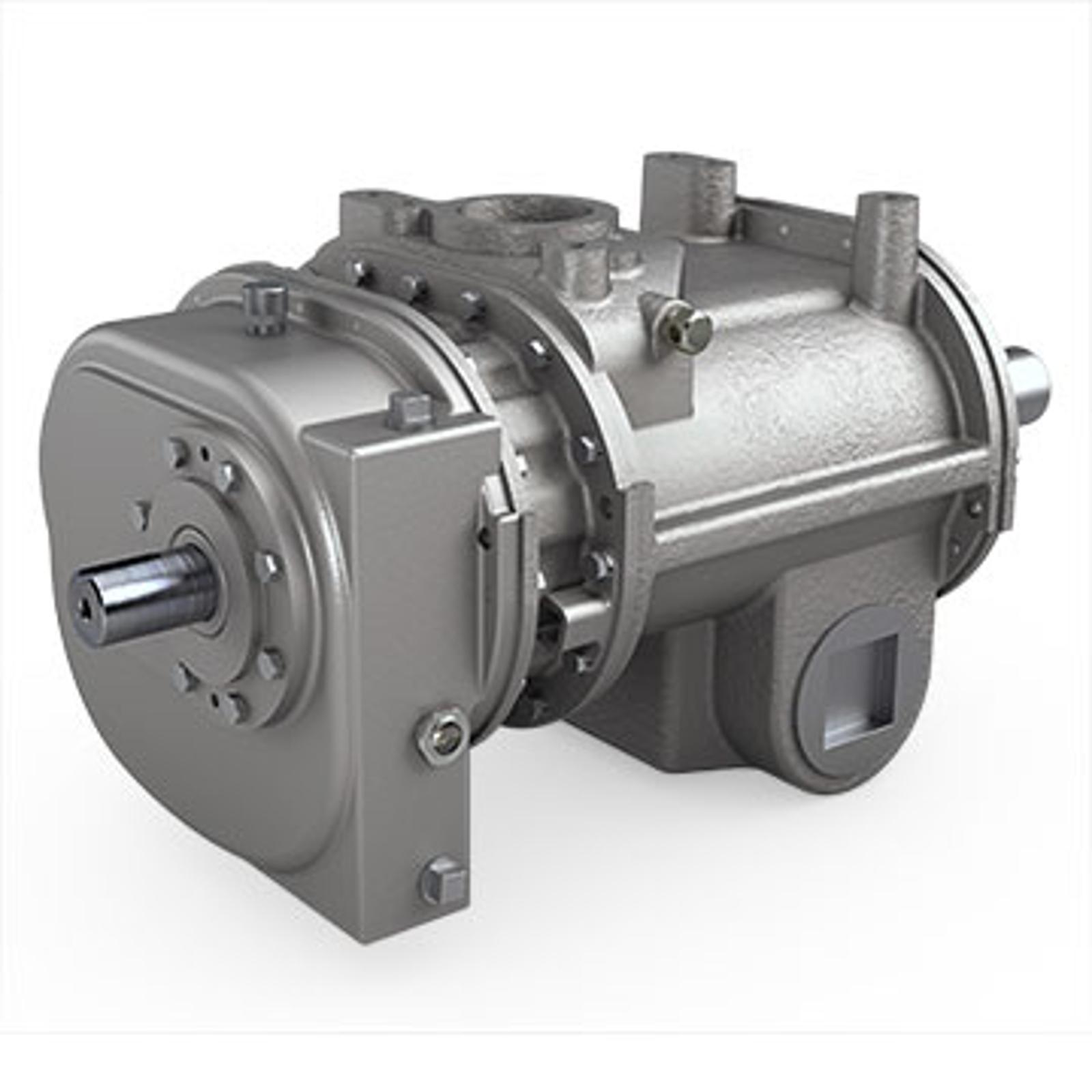
Helical Screw Dry Bulk Blower | T5 Cycloblower

Truck-Mounted Blower for Efficient Dry Bulk Discharge

The T5 Cycloblower stands out as a reliable and high-performing solution for the discharge of dry bulk products. Designed to deliver powerful airflow performance, it ensures smooth and efficient handling of high-capacity applications. With flexibility built into its design, the Cycloblower offers multiple drive options to accommodate a wide range of installation requirements, making it adaptable to your business needs.

So how does a dry bulk blower work on a Truck? In a typical Pneumatic conveying setup, the blower draws in air and then creates the pressure and airflow required to move material through hoses or piping. As the air accelerates, it entrains dry, free-flowing product — like pellets, powders, or granular materials — then delivers it to the unloading point at the controlled rate your operation needs. Because the blower is mounted on the vehicle, the system is ready to run wherever you’re unloading, helping reduce downtime and improve unloading efficiency.

For many customers, the key is matching the blower’s engineered performance to the conveying task. Truck-mounted blowers are commonly used for Pneumatic conveying applications such as animal feed discharge, plastic pellet handling, and other dry bulk transfers where consistent transport and reliable delivery matter. When properly configured, the system can maintain stable conveying conditions, supporting smooth discharge and efficient material flow.

Beyond the blower itself, truck-mounted performance depends on how the unit is powered and how it’s sized for your product. Many installations use PTO (power take-off) options to transfer power from the truck to the blower drive, allowing the system to run during unloading without requiring separate stationary power. The exact PTO configuration can vary by truck platform and installation design, so it’s important to select an option that fits your vehicle and operating routine.

Sizing is equally critical. To size a blower for dry bulk pneumatic conveying, you typically start with your product characteristics (such as particle size, bulk density, and flow behavior) and then determine the required conveying air conditions — especially the pressure and airflow needed to achieve the target transport distance and discharge rate. A properly sized blower helps ensure efficient unloading, reduces the risk of underperformance, and supports consistent conveying results across your application.

The T5 Cycloblower is an ideal dry bulk blower for pneumatic conveying and unloading of a wide range of free-flowing materials. It’s commonly used to convey animal feed, plastic pellets, and other pelletized products, but it can also support many other dry bulk applications where controlled airflow and pressure help deliver consistent discharge. Depending on your product characteristics, the T5 Cycloblower is available in three distinct models, each engineered to match different performance requirements — so you can select the right configuration for your unloading goals and conveying distance.
Our Truck Mounted Blower Applications

Our truck mounted blowers are designed to discharge dry bulk materials efficiently, helping reduce unloading times and improve vehicle productivity. Whether transporting animal feed, cement, lime, powders, granules, or other bulk materials, Gardner Denver Transport Solutions offers reliable blower technologies engineered to deliver consistent airflow and dependable pneumatic conveying performance.

Common Dry Bulk Blower Problems (and Practical Fixes)

Even when a truck-mounted blower is properly sized, real-world operating conditions can affect performance. Below are common issues operators encounter with dry bulk blower systems, along with practical checks that can often help restore efficient operation.

  • Low airflow or weak unloading performance
  • What to check: Hose or piping restrictions, loose connections, and any collapsed or kinked sections that limit airflow.
  • Why it matters: Insufficient airflow can reduce material transfer rates and increase unloading times.
  • Inconsistent conveying (surging or stopping)
  • What to check: Product feed consistency, air leaks in the conveying line, and whether the blower is operating at the expected pressure.
  • Why it matters: Unstable pressure and airflow conditions can interrupt the pneumatic conveying process.
  • Excessive dusting or material leakage
  • What to check: Seals, gaskets, discharge hoses, and connections for wear or damage.
  • Why it matters: Air leaks reduce conveying efficiency and may create dust around the unloading area.
  • Overheating or unusual operating noise
  • What to check: Cooling airflow, lubrication levels (where applicable), and signs of drive or belt misalignment.
  • Why it matters: Excessive heat may indicate an underlying mechanical issue that can impact reliability and performance.
  • Clogging or poor discharge performance
  • What to check: Conveying line diameter, routing, and compatibility with the material being transported.
  • Why it matters: The blower must provide the correct airflow and pressure conditions to keep product moving efficiently.

When troubleshooting, start by confirming that the blower is delivering the expected airflow and pressure, then inspect the conveying path from the blower inlet to the discharge point.


How to Maintain a Truck-Mounted Dry Bulk Blower

Routine maintenance helps ensure consistent airflow, reliable operation, and efficient unloading performance. Use the checklist below as a practical starting point for your maintenance program.

  • Inspect conveying lines and connections
  • Check for wear, loose clamps, cracked hoses, and air leaks.
  • Replace damaged components to maintain system efficiency.
  • Check the blower drive and PTO system
  • Verify smooth PTO engagement and proper operation of drive components.
  • Inspect for vibration, unusual noise, or misalignment.
  • Monitor filters, intakes, and airflow paths
  • Keep intake areas free from obstructions.
  • Replace clogged filters to maintain proper airflow.
  • Follow recommended service intervals
  • Perform lubrication and inspections according to manufacturer guidelines.
  • Address wear early to reduce the risk of unplanned downtime.
  • Inspect wear components regularly
  • Examine discharge fittings, seals, and conveying components exposed to abrasive materials.
  • Replace worn parts before performance is affected.
  • Track operational performance
  • Monitor unloading times, conveying consistency, and recurring issues.
  • Performance trends can help identify maintenance needs before failures occur.

Consistent maintenance supports reliable pneumatic conveying, reduces downtime, and helps maximize blower service life.


Safety Checks Before Operating a Dry Bulk Blower

Before operating a truck-mounted blower, perform these basic safety checks to protect personnel and equipment.

  • Confirm the system is properly secured
  • Ensure the blower is securely mounted on the vehicle.
  • Verify all guards, covers, and safety devices are correctly installed.
  • Inspect hoses, couplings, and unloading connections
  • Check for cracks, wear, loose fittings, and proper alignment.
  • Ensure discharge hoses are routed without kinks or excessive stress.
  • Check for air leaks
  • Leaks can reduce airflow and conveying efficiency.
  • Repair any identified leaks before beginning unloading operations.
  • Verify operating conditions
  • Confirm the blower is configured for the product and conveying distance.
  • Ensure the required airflow and pressure conditions can be achieved.
  • Follow safe start-up and shut-down procedures
  • Operate the blower according to established procedures.
  • Keep hands, clothing, and tools away from moving components.
  • Maintain a clean unloading area
  • Remove trip hazards and manage dust accumulation.
  • Ensure the unloading area is prepared for safe and efficient operation.

Following these operational, maintenance, and safety guidelines can help maximize blower performance, improve reliability, and support efficient dry bulk material unloading across a wide range of pneumatic conveying applications.